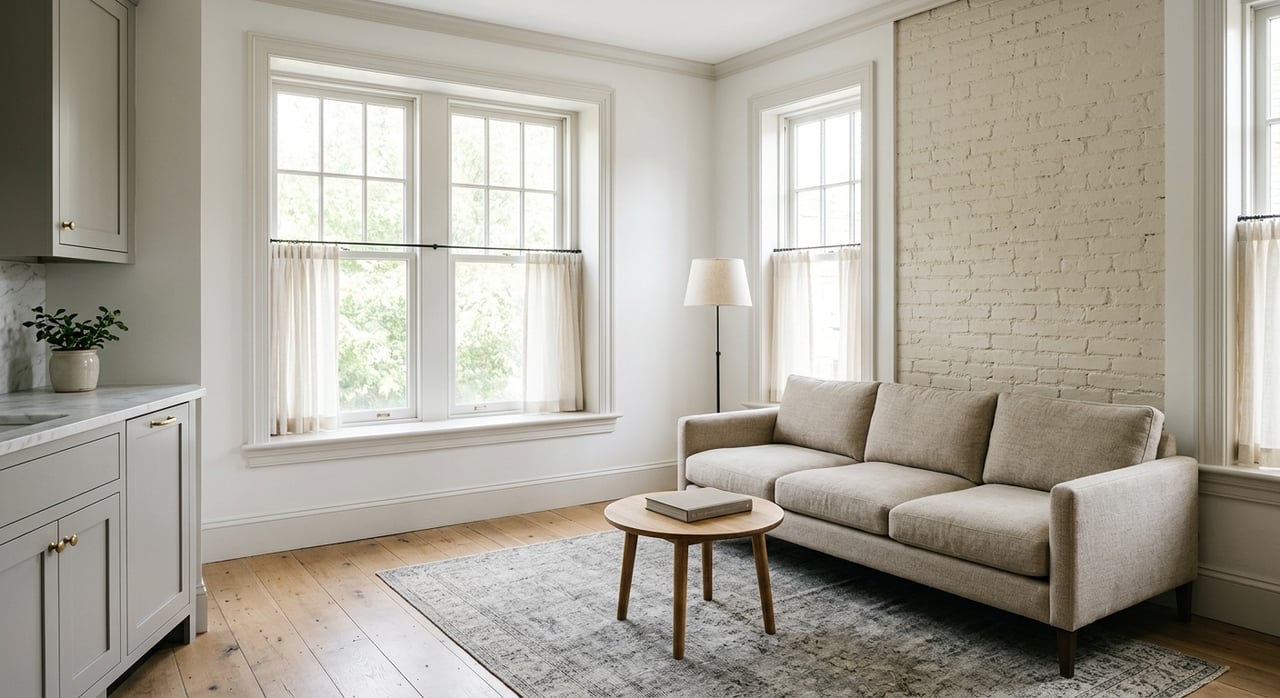
Thinking about buying a condo in Downtown Salem? It can be a great fit if you want historic character, easy access to shops and dining, and a commuter-friendly location, but it also comes with a few tradeoffs you should understand before you buy. If you are comparing condos in Salem with options in more suburban settings, the details around parking, condo fees, building rules, and seasonal activity matter more than you might expect. Here is what to know so you can evaluate Downtown Salem condo living with confidence.
Downtown Salem Condo Lifestyle
Downtown Salem offers a distinctly urban, pedestrian-friendly lifestyle within a historic North Shore setting. The city highlights its walkability, transit access, and dense mix of restaurants, retailers, museums, and arts venues throughout the downtown core. You are not just buying a unit here. You are buying into a way of living that makes it easier to get around on foot and enjoy the center of the city day to day.
That appeal is part of why Downtown Salem feels so different from many condo communities outside the core. According to the city, Salem welcomes more than a million tourists annually, and much of that activity centers around downtown destinations like Artists’ Row, Derby Square, Old Town Hall, and other cultural spaces. For many buyers, that energy is a major plus. For others, it is a factor that needs to be balanced against privacy, parking, and crowd levels during peak periods.
Building Types You Can Expect
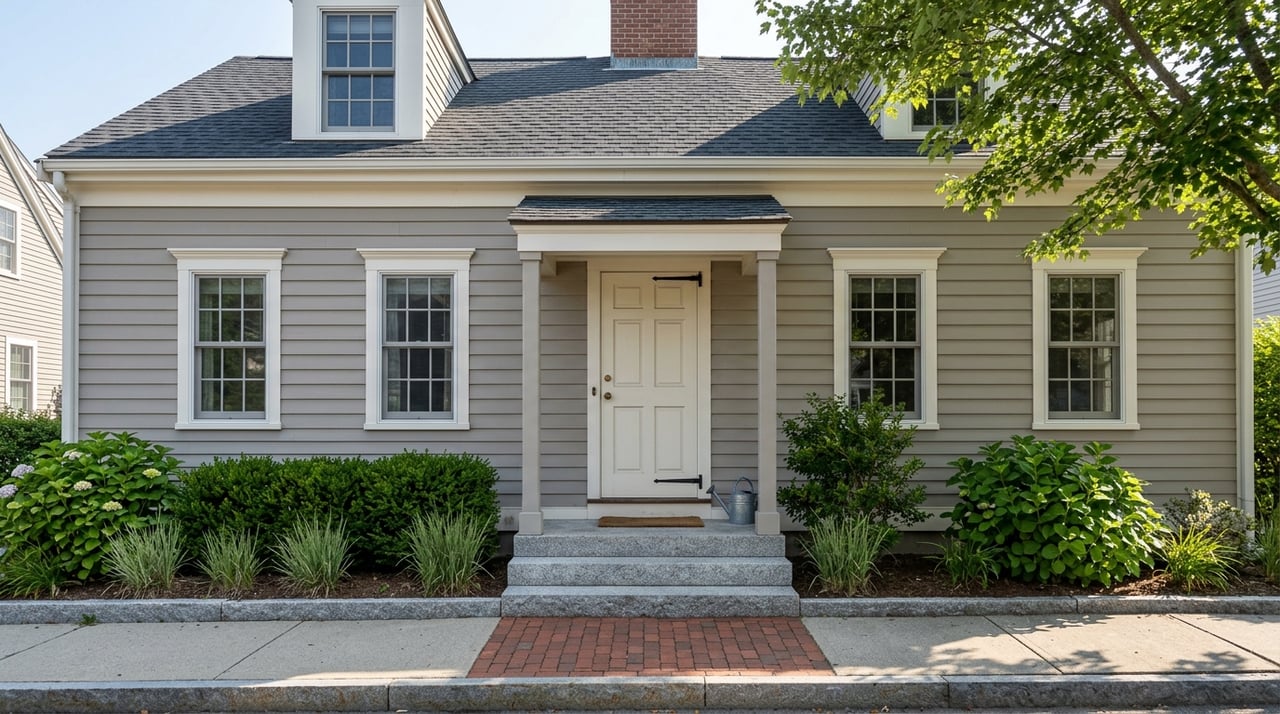
Downtown Salem is shaped heavily by preservation and adaptive reuse. The city’s redevelopment planning for the downtown area focuses on preserving historic architecture while supporting a mix of compatible uses and both historic and contemporary styles, as outlined by the Salem Redevelopment Authority. In practical terms, that means you should expect a varied condo inventory rather than rows of uniform new construction.
Many downtown condos are found in older buildings that have been converted or redeveloped over time. A current city example is the reuse of historic courthouse buildings on Federal Street near Salem Station, part of the city’s broader historic courthouse redevelopment effort. If you appreciate original materials, architectural detail, and a sense of place, that can be a real advantage.
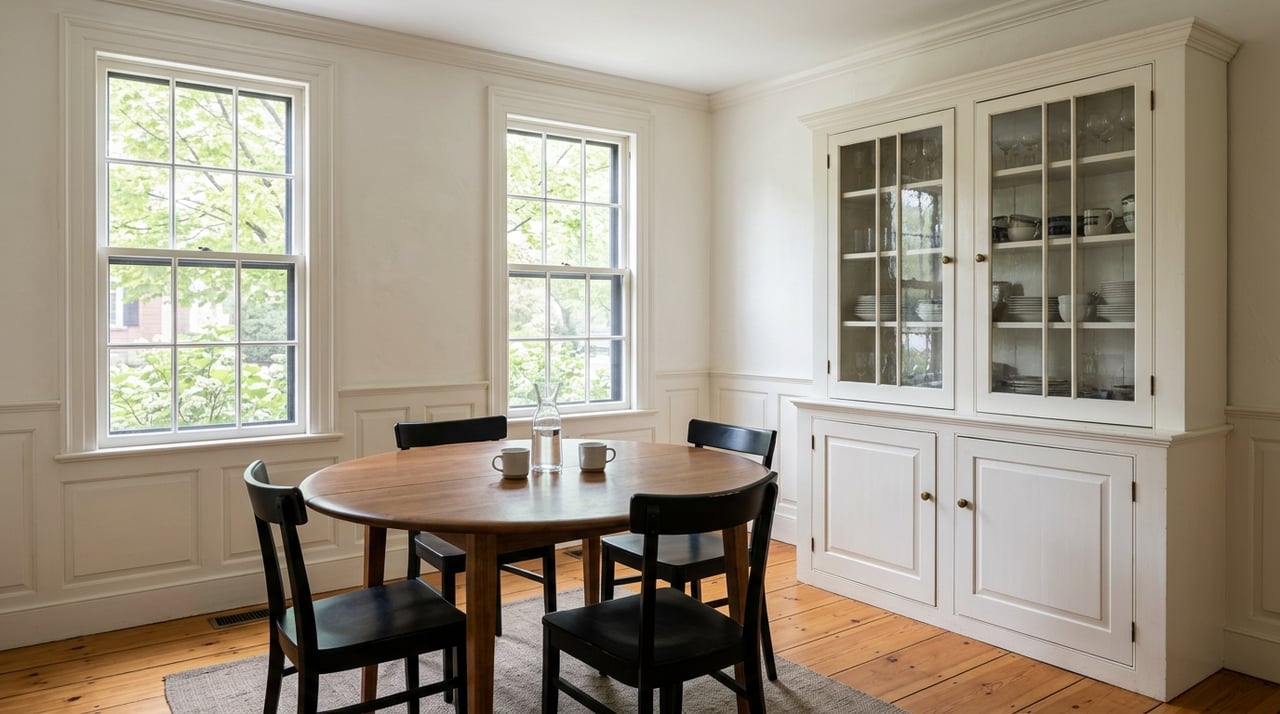
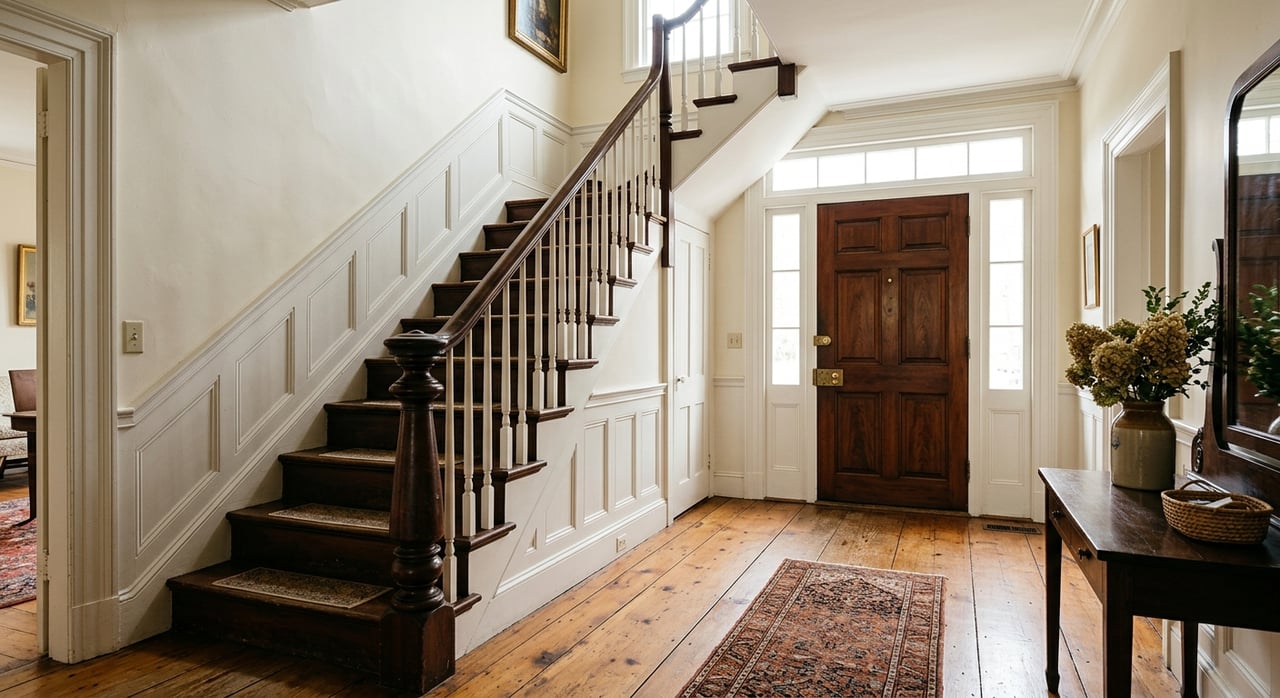
At the same time, older buildings often bring more nuance than newer condominium projects. Layouts can be less standardized, storage may be tighter, and building systems can vary widely from one association to another. This is where careful review matters, especially in a market where character is often part of the value.
Historic District Rules Matter
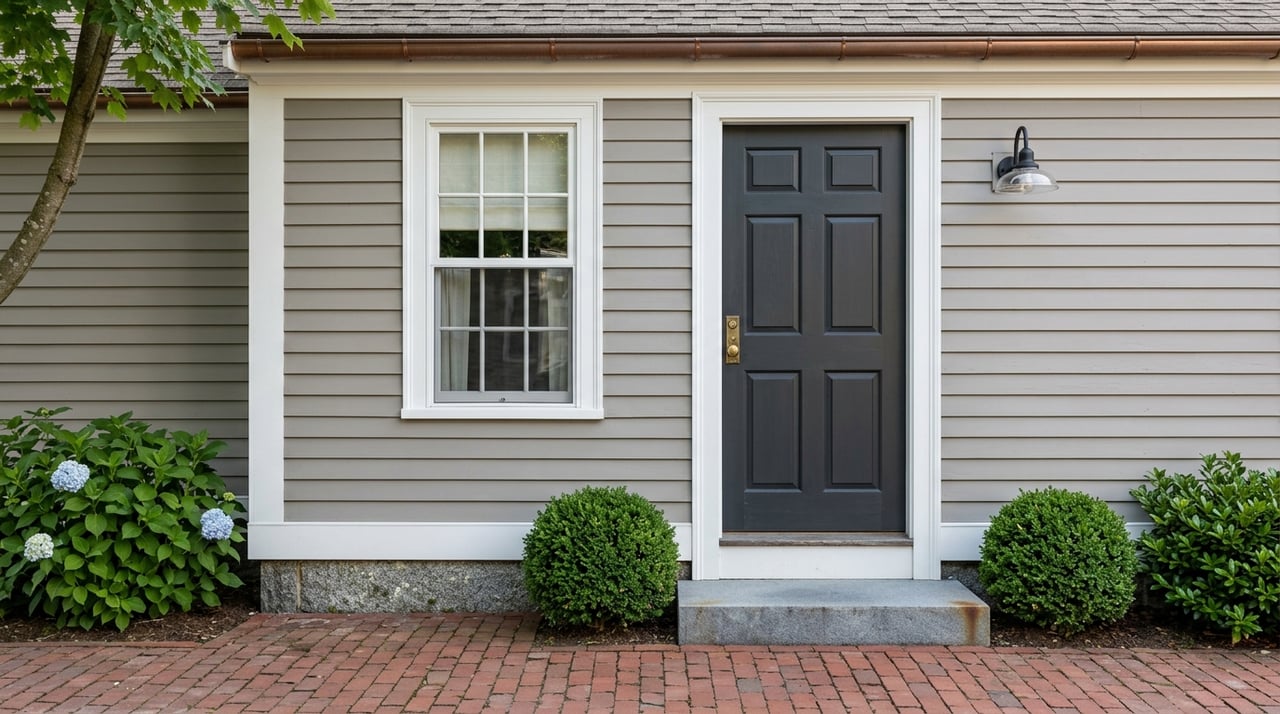
If a condo is located within a local historic district or certain downtown review areas, exterior changes may be subject to review. The city’s business guide explains that exterior alterations and signage in some areas can require review by the Salem Redevelopment Authority or Design Review Board, while the Historical Commission reviews work within the city’s local historic districts. You can see those requirements in the city’s Doing Business in Salem guide.
For a buyer, this is not necessarily a drawback. In many cases, review standards help preserve the visual character that makes Downtown Salem appealing in the first place. Still, it does mean you should understand any limits on exterior work, windows, doors, signage, or other visible changes before you close.
Condo Fees and Ownership Costs
Monthly condo dues are a major part of the ownership picture. According to the Consumer Financial Protection Bureau, condo or HOA dues are usually paid separately from your mortgage and can range from a few hundred dollars per month to more than $1,000. Those fees may cover common-area maintenance, landscaping, shared amenities, and reserve funding for future repairs.
In Downtown Salem, the smartest question is not simply, "How much is the fee?" It is, "What does the fee include?" A building with a higher monthly payment may still offer better value if reserves are healthy, major maintenance is planned responsibly, and shared building costs are being managed well.
Fannie Mae also points buyers to key condo considerations such as reserve funding and master property insurance for shared structures and common elements, which are central issues in many attached buildings. Their condo project guidance reinforces why these items deserve a close look. Before you commit, review the budget, reserve balance, master insurance coverage, and any planned special assessments.
Why Condo Conversions Need Extra Review
If you are considering a recently converted building, there is another local detail to understand. Salem adopted a Condominium Conversion Ordinance in July 2025 that created a permit process and tenant protections for buildings being converted from rentals to condos. That includes notice requirements and certain tenant rights.
For buyers, this does not automatically change whether a building is a good purchase. It does mean newer conversion projects deserve close attention. You will want to understand where the building is in the conversion process, how occupancy may change over time, and whether there are any issues still being worked through at the association level.
Parking Is a Big Decision Point
Parking is one of the biggest lifestyle variables in Downtown Salem condo living. You should never assume a downtown address guarantees easy parking. Instead, confirm whether parking is deeded, assigned, leased, off-site, or dependent on city permits.
Salem offers a digital, license-plate-based resident permit parking program, with annual resident permits and visitor pass options. The city also notes that some streets designated for October resident parking are excluded from the standard resident permit system. That is an important detail if your building does not include private parking.
A 2025 city downtown parking report found that the pedestrian network is one of downtown’s strengths, but parking demand is concentrated in the core. At peak times, about four out of five spaces in the core are occupied. Larger facilities such as the MBTA Garage and South Harbor Garage generally have more available capacity.
Transit Can Be a Real Advantage
For many buyers, the tradeoff on parking is softened by strong transit access. Salem is served by the MBTA Newburyport/Rockport Commuter Rail line, along with bus routes 435, 450, 451, 455, and 456, according to the city’s MBTA information page. Salem Station sits at the north end of Washington Street and is directly tied into downtown.
If you commute into Boston or simply want flexibility without relying on your car for every trip, that access is a meaningful advantage. It is also one reason some downtown buyers are comfortable choosing a building with limited parking options, provided the overall location works for their routine.
October Changes the Equation
October is its own category in Salem. The city puts special October parking and transportation rules in place to manage the seasonal surge in visitors, and downtown residents without on-street parking may be able to purchase reserved spaces in the Museum Place Garage.
This is one of the most important practical issues to think through before buying. If you work from home, host guests often, or rely on convenient visitor parking, October may feel very different from the rest of the year. That does not make downtown condo ownership less appealing, but it does mean you should understand how your specific building and parking setup function during the busiest season.
Amenities and Everyday Appeal
Part of what makes Downtown Salem condo living attractive is how much is close by. The city highlights the downtown retail district, the Peabody Essex Museum, Salem Museum, CinemaSalem, Salem State Center for the Arts, and other cultural destinations. Public spaces like Derby Square and Charlotte Forten Park also add to the daily experience of being downtown.
For many buyers, this creates a lifestyle that feels connected and convenient. You may be able to walk to coffee, dinner, the train, events, and the waterfront without planning your day around a car. That level of access can be hard to replicate in lower-density areas.
Questions To Ask Before Buying
Downtown Salem condos can be excellent purchases, but the right due diligence matters. Before you move forward, make sure you get clear answers to a few key questions.
- Is the parking deeded, assigned, leased, off-site, or city-permitted?
- What do the monthly condo fees cover?
- How much does the association have in reserves?
- Is there adequate master insurance for the building?
- Are any special assessments planned or being discussed?
- Is the building a historic conversion or located in a review district?
- What rules apply to pets, rentals, and short-term use?
- How does October affect resident and visitor parking for this specific address?
These questions are especially important in Downtown Salem because ownership here often involves a mix of historic-building considerations, city-managed parking realities, and a more active street environment than you may find elsewhere.
Is Downtown Salem Condo Living Right for You?
If you value character, walkability, transit access, and being close to restaurants, shops, and culture, Downtown Salem can be a compelling place to own a condo. If you want easy private parking, quieter streets year-round, and fewer building rules, you may find that another setting fits you better. The key is knowing which tradeoffs matter most to your daily life.
A well-chosen downtown condo can offer a rare combination of architectural interest and convenience, especially in a city where preservation and place still shape the market in meaningful ways. If you want help evaluating buildings, reviewing ownership tradeoffs, or identifying the right fit in Salem, connect with Michael Selbst to schedule a consultation.
FAQs
What is condo living like in Downtown Salem?
- Downtown Salem condo living is typically defined by walkability, historic character, access to restaurants and cultural venues, commuter rail access, and more seasonal activity than many suburban condo locations.
What should buyers know about Downtown Salem condo parking?
- Buyers should confirm whether parking is deeded, assigned, leased, off-site, or city-permitted, because parking arrangements vary widely and October rules can affect day-to-day use.
Are Downtown Salem condos often in historic buildings?
- Yes, many downtown condos are in older converted or redeveloped buildings, reflecting Salem’s emphasis on preservation and adaptive reuse rather than large amounts of uniform new construction.
Do Downtown Salem condos have historic district restrictions?
- Some do, and exterior changes may be subject to review by local boards or commissions depending on the building’s location and district status.
What do condo fees usually cover in Downtown Salem?
- Condo fees may cover common-area maintenance, shared building expenses, landscaping, amenities, insurance for common elements, and reserve funding, but coverage varies by association.
How does October affect Downtown Salem condo owners?
- October brings special city parking and transportation rules, more visitors, and busier street conditions, so buyers should understand how their building handles resident and guest parking during that period.