Should you wake up to open ocean views or step outside to coffee, errands, and the commuter rail in minutes? In Swampscott, that choice often comes down to living near the waterfront or in the in-town core. Both deliver a classic North Shore lifestyle, just in different ways. By the end of this guide, you’ll understand the tradeoffs in price, upkeep, insurance, walkability, and resale so you can choose with confidence. Let’s dive in.
What counts as waterfront vs. in-town
Waterfront pockets to know
Waterfront-adjacent living in Swampscott centers on Phillips Point, Beach Bluff, and the Phillips Beach area. You’ll find direct or easy access to small beaches, rocky headlands, and wide coastal views. Homes range from historic seaside houses and Victorian or Colonial-era residences to renovated oceanfront estates and a handful of coastal condo communities. These blocks, especially on Phillips Point, often command a noticeable premium because of lot size, water access, and unobstructed views.
In-town core and civic life
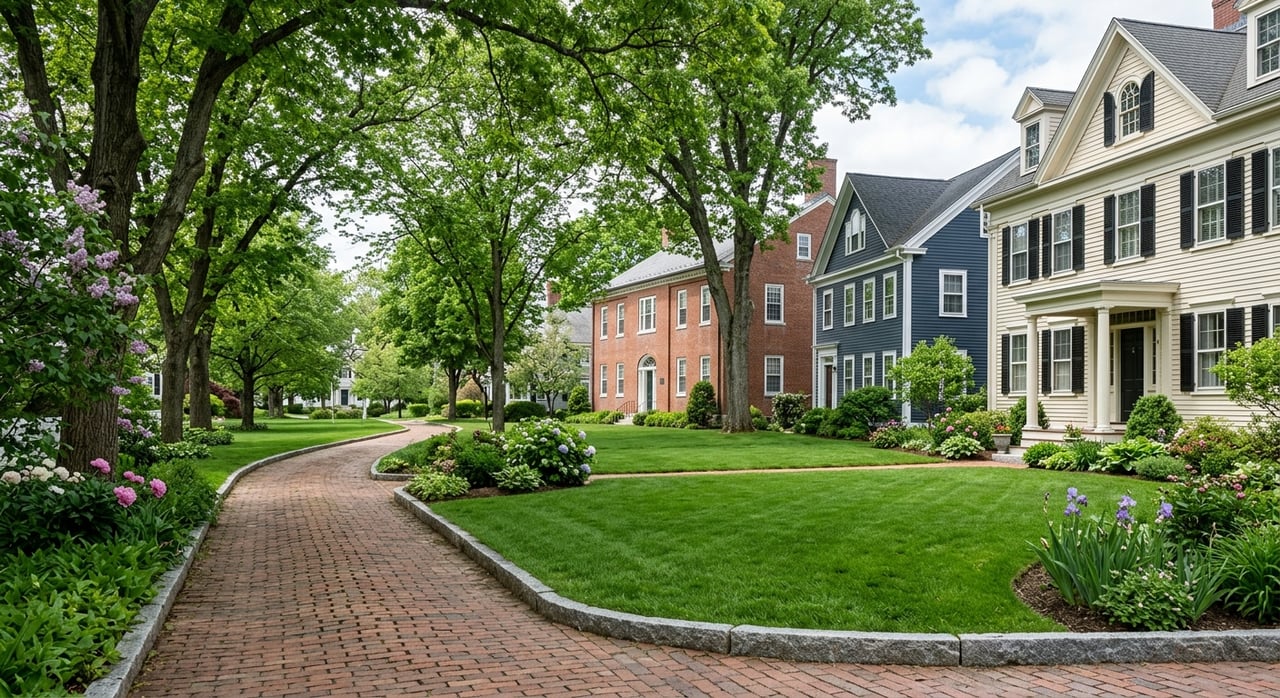
In-town Swampscott clusters around Monument Square, Humphrey Street, and the Olmsted historic district. Here, you’re close to town hall, the library, seasonal community events, and independent shops and cafés. The area serves as the walkable heart of town, described by local guides as a compact center with shoreline access and civic green spaces. For a feel of the amenities and community vibe, explore the overview of downtown Swampscott from a local byway resource that highlights its coastal setting and small-business scene at this community snapshot.
Lifestyle and walkability
If daily ocean air and beach strolls top your list, the waterfront delivers. You will trade a bit of convenience for that horizon line, but many pockets still sit a short drive or bike ride from errands. In-town living centers on daily ease. Addresses near Humphrey Street show strong walkability scores, with some downtown blocks scoring in the 80s. To see an example, review the Walk Score for a Humphrey Street location here.
In practice, your routine may look like this:
- Waterfront: sunrise coffee on the porch, quick beach walk, then a short drive to groceries and dining.
- In-town: mornings at the farmers market in season, errands by foot, and dinner steps from home.
Housing types and price patterns
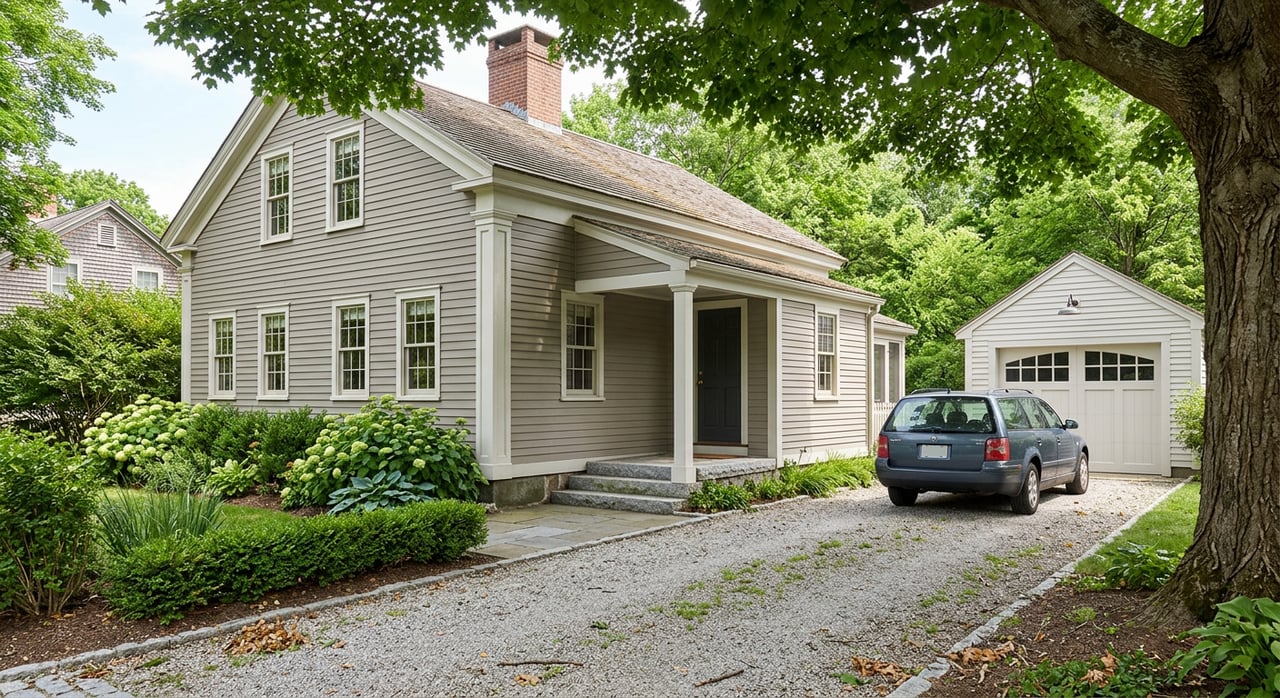
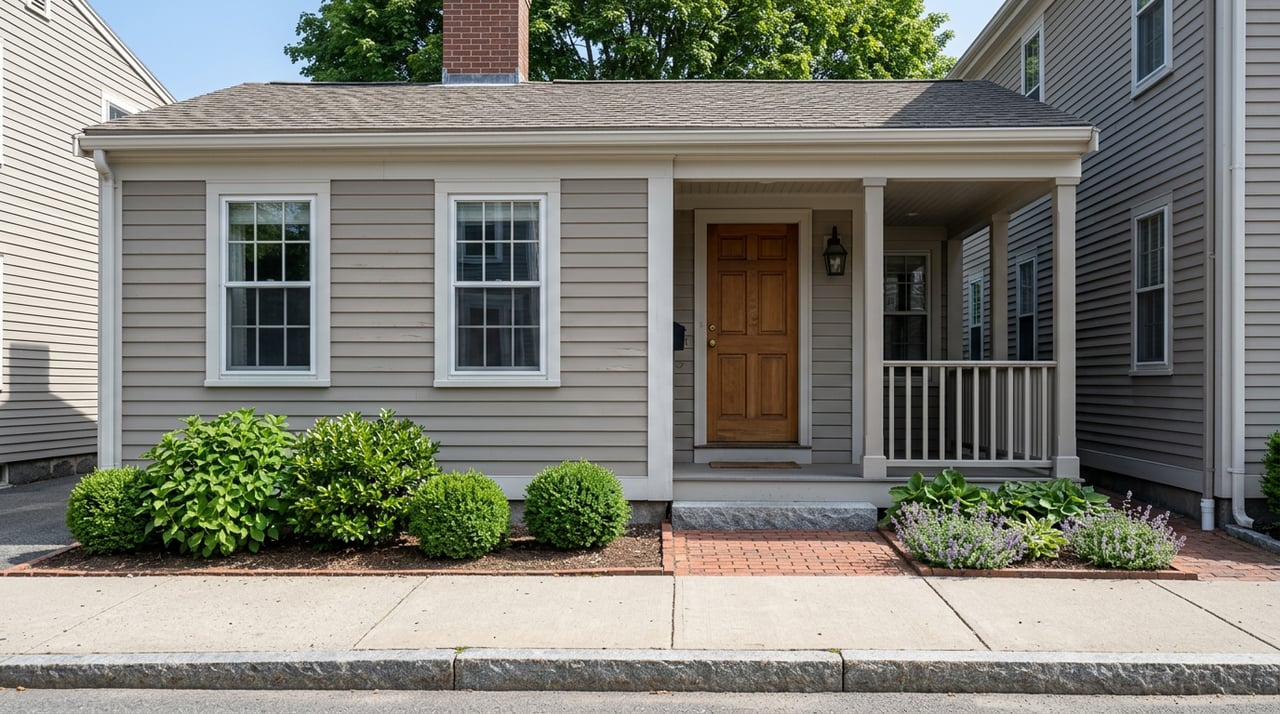
Waterfront inventory in Swampscott skews larger, with historic single-family homes and high-end properties that offer direct water access or panoramic views. Some coastal condo buildings appear as well, typically with strong view premiums. National and local patterns show waterfront homes often carry a substantial price premium over non-waterfront homes. In town, you’ll see smaller single-family homes, more condos, and two- or three-family buildings. These properties frequently trade to commuters, downsizers, and buyers who prioritize walkability and access to shops and services.
Because the buyer pool for oceanfront homes leans toward lifestyle-driven purchasers, pricing and time on market can be more sensitive to insurance costs and perceptions of coastal risk. In-town pockets walkable to Humphrey Street and the commuter rail can move quickly depending on season and inventory.
Commute and access
Swampscott has an MBTA commuter rail stop on the Newburyport/Rockport Line, offering access to Boston’s North Station. If transit matters, confirm whether a specific home is within a comfortable walk to the station and check current schedules, which can change for maintenance or service updates. You can review details for the Swampscott station on the Newburyport/Rockport Line here.
Flood maps, sea level, and insurance
Waterfront buyers should plan for a closer look at flood maps and insurance. FEMA has issued revised Flood Insurance Rate Maps for Essex County with effective dates in 2025. Map changes can trigger lender flood insurance requirements for certain parcels and may affect premiums or coverage availability. You can review the town’s page for flood zones and mapping resources at Swampscott DPW Flood Zones & Maps and see the federal notice on final flood hazard determinations here.
Sea level rise is a long-term planning factor on the North Shore. The 2022 federal technical report projects average U.S. East Coast sea level increases of roughly 10 to 14 inches by 2050, which can raise the likelihood of nuisance tidal flooding over time. Treat this as a multi-decade consideration that may influence maintenance planning, insurance costs, and eventual resale. For background on the scenarios and methods, review the NOAA technical report here.
From an insurance standpoint, coastal Massachusetts has seen more policies placed in the state’s residual market and more frequent use of wind deductibles. Some owners near the ocean experience non-renewals in the voluntary market or need to seek coverage through the FAIR Plan. If you are considering a waterfront property, line up quotes early in your inspection period and confirm coverage terms in writing. The Massachusetts Division of Insurance provides context on these trends in its Annual Home Insurance Report, available here.
In-town properties that sit farther from the intertidal zone are less likely to fall in a Special Flood Hazard Area. That can reduce the chance that a lender will require flood insurance, though you should verify the parcel every time and still plan for strong homeowners coverage.
Maintenance and carrying costs
Ocean proximity adds unique upkeep. Salt air accelerates corrosion and weathering, which can shorten paint, roof, and deck life cycles. Expect to budget for more frequent exterior painting, corrosion-resistant hardware, regular pressure washing, and closer attention to HVAC coils and outdoor mechanical equipment. Many waterfront owners invest in mitigation upgrades such as storm-rated windows and doors, elevated mechanicals, and composite or marine-grade materials. For a practical overview of beach-home maintenance considerations, see these tips on protecting exterior finishes and systems in salt environments here.
In-town homes still experience coastal weather, just usually with less direct salt exposure. Standard homeowners maintenance and periodic exterior updates remain important, but cycles can be less frequent than on the immediate ocean edge.
Side-by-side comparison
| Factor | Waterfront Pockets (Phillips Point, Beach Bluff, Phillips Beach) | In-Town Core (Monument Square, Humphrey St., Olmsted) |
|---|---|---|
| Daily lifestyle | Beach access, big views, quieter streets | Walk to cafés, shops, library, and events |
| Housing stock | Historic seaside homes, oceanfront estates, some view condos | Smaller single-family, condos, and multi-family units |
| Pricing pattern | Noticeable premium for direct access or unobstructed views | Often lower than oceanfront pockets, varies by size and finish |
| Flood exposure | More parcels in mapped flood zones, parcel-specific | Fewer parcels in SFHAs, verify every address |
| Insurance | Higher scrutiny, possible wind deductibles or FAIR Plan | Typically simpler, but confirm coverage terms |
| Maintenance | Accelerated exterior cycles, salt-resistant materials | Standard coastal maintenance, generally lighter cadence |
| Walkability | Variable, beach walks over daily errands | High walkability near Humphrey St.; check specific addresses |
| Transit access | Often a drive or bike to the station | Some blocks within a shorter walk to the commuter rail |
| Resale drivers | View and access premiums; sensitive to insurance risk | Convenience and walkability; commuter and downsizer demand |
Due diligence checklist
Use this checklist to compare specific homes and reduce surprises during escrow:
- Verify the flood zone. Search the parcel on the town’s mapping resources at Swampscott DPW Flood Zones & Maps. Ask for any Elevation Certificate or LOMA/LOMR records. If the lot is in a Special Flood Hazard Area, obtain private and NFIP flood quotes during your inspection window.
- Get firm insurance quotes early. Massachusetts has seen growth in residual-market policies and more coastal wind deductibles. Ask a local independent agent for homeowners and, if applicable, flood quotes before you remove contingencies. For regulatory context, see the state’s annual insurance report here.
- Inspect coastal wear items. Confirm roof age, deck and railing materials, exterior fasteners, and the location of mechanical systems. Plan for corrosion-resistant upgrades and routine pressure washing. For a maintenance primer, review salt-environment tips here.
- Factor sea level rise into long-term plans. Understand how projected sea level scenarios could influence nuisance flooding and storm surge risk over the next few decades. Read the NOAA technical summary here, and check for any local resilience efforts through the town.
- Reality-check commute and walkability. If you rely on rail, study current schedules for the Swampscott station and test the walk from the property. For daily errands without a car, review the Walk Score for a nearby address here, then confirm on foot.
Which option fits your goals
Choose waterfront if daily ocean access, views, and the romance of the coastline are your top priorities, and you are comfortable with higher prices, more frequent maintenance, and the possibility of higher insurance costs. You are buying a lifestyle first and should underwrite ownership with that in mind.
Choose in-town if walkability to cafés and shops, a shorter stroll to the commuter rail, and simpler insurance and upkeep matter most. You will likely trade views for convenience, with property options that span condos, smaller single-family homes, and multi-family buildings.
Whatever you choose, align your search with clear priorities and a pricing and risk framework that fits your time horizon. A seasoned local advisor can help you weigh lifestyle benefits against carrying costs and resale dynamics across both pockets.
Ready to refine your plan or tour both options side by side? Tap into boutique, data-driven guidance with Michael Selbst. Schedule a Consultation.
FAQs
How do flood maps affect a Swampscott home purchase?
- FEMA’s updated maps for Essex County can change whether a lender requires flood insurance, so you should look up the parcel on the town’s mapping page at Swampscott DPW Flood Zones & Maps and review the federal notice on effective dates here.
Are Swampscott waterfront homes more expensive than in-town homes?
- Waterfront properties often carry a substantial premium for direct water access and unobstructed views, while in-town homes tend to be priced lower, with variability by size, finish, and proximity to shops and transit.
What maintenance should I expect with an oceanfront property in Swampscott?
- Plan for more frequent exterior painting and cleaning, corrosion-resistant materials, and closer monitoring of roofs, decks, and HVAC components; see a practical salt-environment checklist here.
How walkable is the in-town Swampscott area for daily errands?
- Monument Square and Humphrey Street form the walkable core with cafés, shops, and civic spaces, and some addresses show Walk Scores in the 80s; preview a Humphrey Street address score here.
How can I commute from Swampscott to Boston without driving?
- The MBTA Newburyport/Rockport Line serves Swampscott, with service to North Station; check current schedules and plan your walk from the property to the Swampscott station.
Does sea level rise change the long-term outlook for waterfront homes?
- Projections for the U.S. East Coast show average sea level increases on the order of 10 to 14 inches by 2050, which can raise nuisance flooding frequency; review the NOAA technical report here.