Picture your morning starting with coffee in a sunlit kitchen, then a quick walk or short drive to the train that gets you to North Station in about 25-30 minutes. If you work in Boston but want a coastal, culture-rich home base, South Salem gives you real options. In this guide, you will learn how the commute works, what homes cost, where parking gets tight, and how to test whether the neighborhood fits your routine. Let’s dive in.
Why South Salem works for commuters
South Salem sits within the compact, historic city of Salem, roughly 15–17 miles north of Boston. You get a lively, walkable downtown anchored by the Peabody Essex Museum, shoreline parks, and a true North Shore vibe that many Boston professionals seek for evenings and weekends. The key draw for commuters is the MBTA Newburyport/Rockport Line from Salem Depot to North Station, which typically runs about 25-30 minutes one way during published schedules. That balance of lifestyle and predictable rail access is the core value proposition. Explore the Peabody Essex Museum’s role in downtown life.
Commute options and tradeoffs
Commuter rail to North Station
The MBTA Newburyport/Rockport Line serves Salem Depot, with typical travel times of about 25-30 minutes to North Station. Peak-period trains come more frequently than off-peak, which is a big advantage if you keep standard office hours. Always confirm the specific trips that match your work schedule since timetables can change. You can review local links and station details through the City of Salem’s mobility page. See Salem’s MBTA mobility information and review the city’s transportation study for context.
Station access and parking
The station sits near the north end of Washington Street and is served by local MBTA buses, walking and bike routes, and nearby parking lots. Historically, the city lot often filled early on weekdays and the MBTA lot ran near capacity during peak periods. Treat station parking as constrained and build a backup plan such as walking, drop-off, rideshare, or biking when the weather cooperates. Read the transportation study’s station and parking details and use the city’s MBTA page for current links.
Seasonal ferry to Boston
From spring through fall, a fast ferry runs between Salem and Long Wharf in Boston. The trip is scheduled under an hour and can be a scenic, productive ride for hybrid schedules. It is seasonal and not a full substitute for year-round commuting, but it is a high-quality alternative when it aligns with your calendar. Check the Salem ferry operator for current season and schedules.
Driving and road access
Salem connects to Route 1A, nearby state routes, and the I-95/Route 128 corridors. Driving gives flexibility for off-peak hours or destinations the train does not serve directly. Expect typical Greater Boston congestion during rush hour, and test your likely route at your actual commute times. See roadway references in the city’s transportation study.
Transfers beyond North Station
If you work outside the North Station area, plan for an additional 10-30 minutes depending on your transfer and final destination. Back Bay, the Seaport, and Longwood often require a subway or bus connection. Your door-to-desk time depends on that second leg, so test the exact route you will take. Use the city’s MBTA page to access current resources and plan tools.
Housing snapshot in South Salem
Condos and townhomes
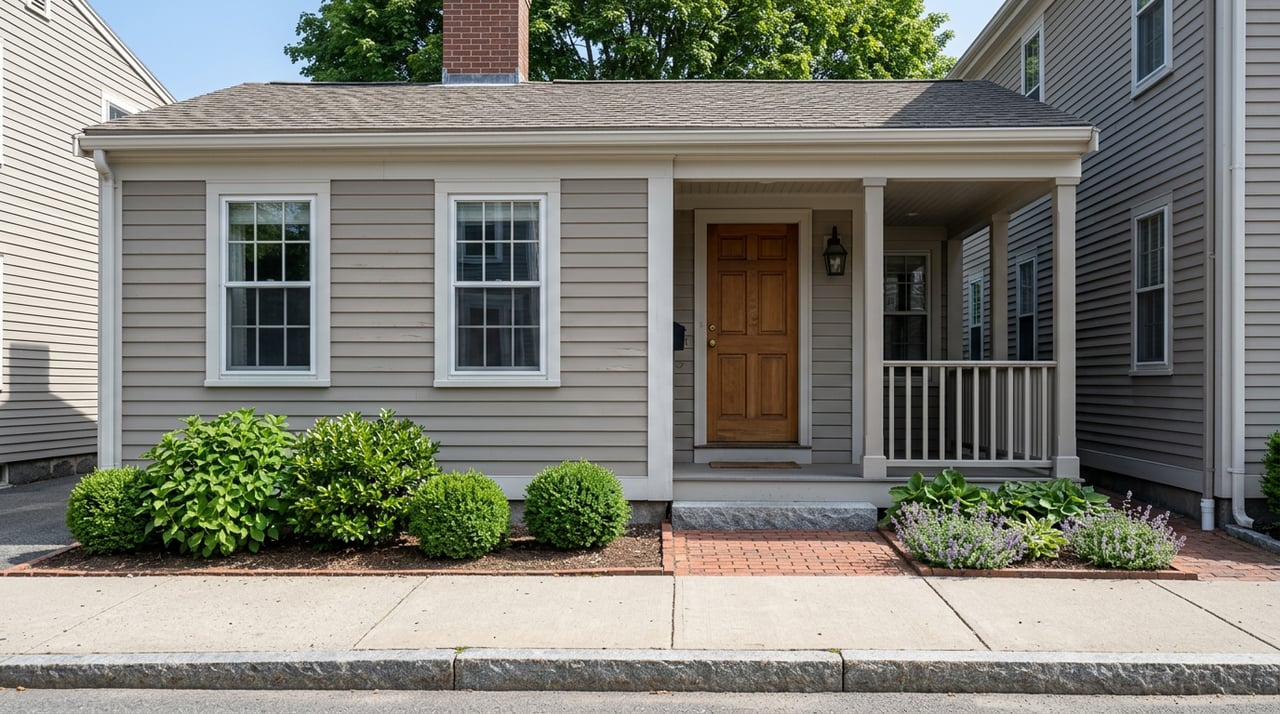
You will see many 1- to 3-bedroom condos in either converted historic buildings or garden-style and mid-rise complexes. HOA coverage often includes exterior maintenance and sometimes certain utilities. Parking is variable. Some units offer deeded or assigned spaces or even a garage bay. Others rely on limited onsite lots or on-street rules. Price-wise, recent snapshots place South Salem condo medians commonly in the mid 400s to 500s, depending on building, finishes, and size. Always confirm current comps before making offers. Scan market snapshots and trends for orientation.
Single-family homes
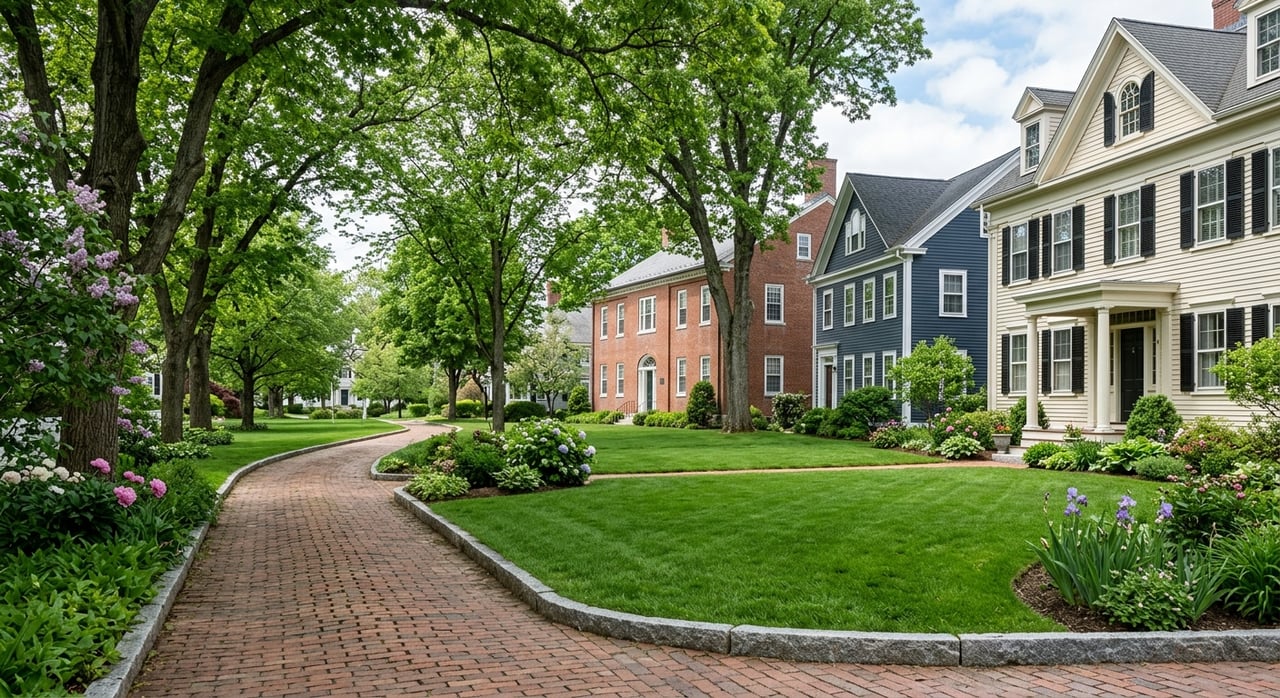
Expect a mix of older Victorians and Colonials with porches, original trim, and thoughtful renovations. These homes carry Salem’s historic character while offering modern systems and refreshed kitchens and baths. Citywide median sale prices have been running around the mid 500s in recent snapshots, with single-family medians higher in the mid 600s and above. Use the latest MLS data for listing-specific valuation. Review aggregated market context here.
Taxes and monthly costs
A recent local summary places Salem’s effective property tax rate around 1.07 percent. Add HOA dues, any parking fees, and your MBTA costs to get a full monthly picture. If you plan to use station parking regularly, include those fees in your budget. See tax and market context in the snapshot.
Everyday lifestyle and amenities
South Salem gives you quick access to downtown dining, cafes, and cultural events. The Peabody Essex Museum anchors a vibrant calendar of exhibitions and programs that add depth to weeknights and weekends. Shoreline parks like Salem Willows and Winter Island bring you open water, walking paths, and seasonal recreation without a long drive. Coupled with a compact street grid and city services, the neighborhood supports a car-light lifestyle if you lean on rail, walking, and rideshare. Explore PEM’s programs and exhibits for a taste of local culture.
What to watch: parking and last mile
Condo and street parking
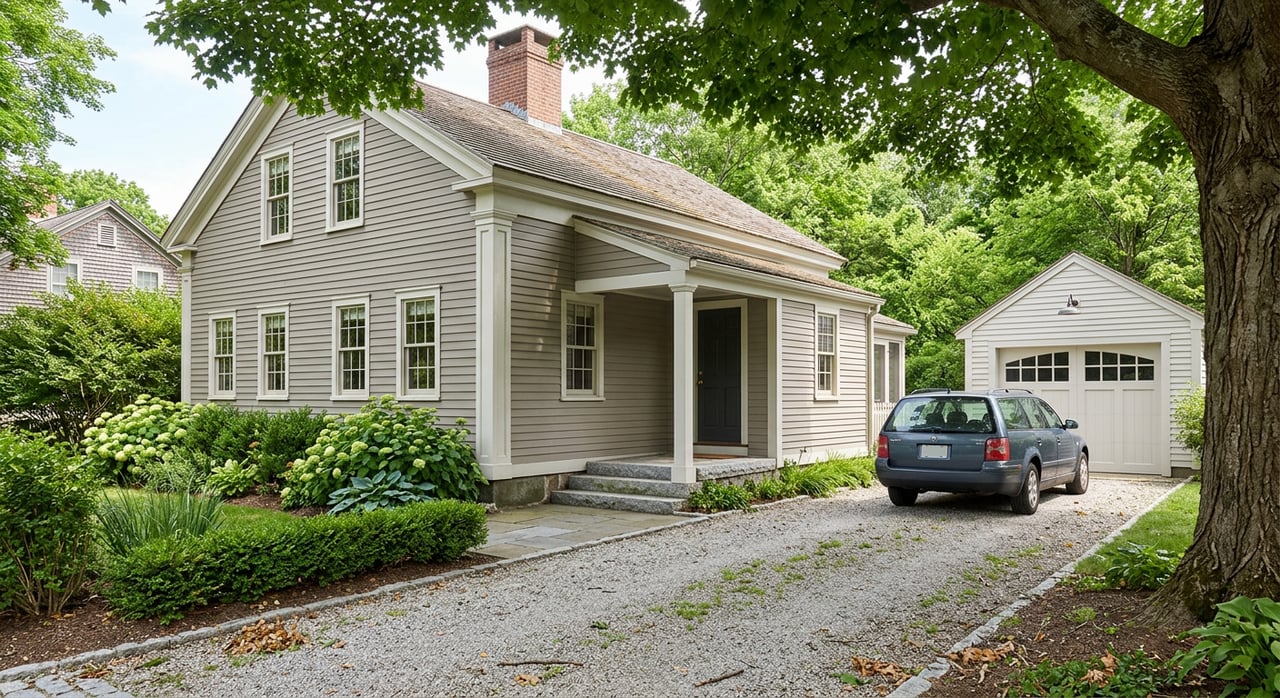
If you own a car, prioritize listings with deeded or assigned spaces. Ask for specifics on parking location, winter rules, and guest options. If parking is not included, evaluate the true cost of renting a private space nearby and how visitor parking works when you host. In more walkable pockets, you can reduce car dependence, but plan carefully for overnight guests and winter storms.
Station realities
Weekday mornings can fill nearby lots quickly. Build a rhythm that does not depend on getting a space at the last minute. Consider walking or biking to the depot, arranging a drop-off, or adjusting train times a bit earlier. During peak weather and holiday seasons, give yourself buffer time.
Buyer checklist: test South Salem
Use this quick list to vet whether South Salem fits your commute and lifestyle:
- Confirm your exact timetable. Identify the inbound train that matches your required arrival time and the outbound you will rely on most often. If you need transfers beyond North Station, add 10-30 minutes and test that leg. Start with the city’s MBTA resources.
- Verify parking needs. If a guaranteed space is non-negotiable, filter for listings with deeded or assigned parking and ask for the condo’s guest policy in writing.
- Plan for variability. Commuter rail is reliable, but service changes and weather can happen. Take your real commute at your real times for at least a few weekdays before committing. Use local MBTA links to check current service.
- Weigh lifestyle vs. logistics. If waterfront parks, a museum membership, and walkable restaurants matter, South Salem delivers. If you need a guaranteed downtown garage spot every day, expect tradeoffs.
- Run the full budget. Include HOA dues, estimated station parking or local parking costs, potential ferry tickets for seasonal flexibility, and property taxes at roughly 1.07 percent. Reference recent market and tax context.
Who South Salem fits best
Choose South Salem if you value a coastal New England setting, a lively cultural core, and a straightforward rail ride to North Station. It rewards buyers who can leverage transit, appreciate older architecture, and want the North Shore lifestyle without surrendering Boston access. If you can live with constrained station parking or secure a home with a deeded space, the neighborhood belongs on your short list.
Ready to see if the fit is right? Let’s map your commute options, pinpoint homes with the parking and finishes you want, and run numbers that hold up. Schedule a Consultation with Michael Selbst to tour South Salem and test your real-world door-to-desk time.
FAQs
How long is the Salem to Boston train commute?
- Typical MBTA commuter rail travel time from Salem Depot to North Station is about 25-30 minutes, with tighter headways during peak periods. See the city’s transportation study.
Is parking available at Salem station on weekdays?
- Parking exists, but historical observations show lots often fill early on weekdays, so plan alternatives like walking, biking, or drop-off. Review the study and city MBTA page.
Are South Salem condos practical for commuters?
- Yes, especially if you secure a unit with deeded or assigned parking and lean on the 25-30 minute rail ride. Many condos have HOAs that cover exterior maintenance. See market context here.
What non-rail options connect Salem and Boston?
- A seasonal fast ferry links Salem and Long Wharf in under an hour, and driving via Route 1A and nearby corridors works for off-peak travel. Check ferry details and see roadway context.
How should I budget monthly carrying costs in Salem?
- Start with your mortgage, add HOA dues if applicable, property taxes at about 1.07 percent, any parking costs, and MBTA or ferry expenses. Review market and tax context.