What does day-to-day life look like when your neighborhood centers on one of Salem’s oldest public spaces? Around Salem Common, the answer is a mix of quiet routines, historic surroundings, and a steady calendar of public events. If you are considering a move to this part of Salem or simply want a better feel for the area, this guide will help you understand how the Common shapes daily life, housing character, and the rhythm of the neighborhood. Let’s dive in.
Salem Common at a Glance
Salem Common is a little more than a park. According to the City of Salem, it is an over 9-acre open space at North Washington Square, recognized as Salem’s oldest park, established in 1803, and the site of the 1637 First Muster. The city also describes it as part of a preserved historic landscape with long-term planning focused on preservation, accessibility, climate resilience, and care through its Salem Common initiative.
That civic role matters in everyday life. The Common functions as a shared front yard for the surrounding area, where local routines and public events naturally overlap. Instead of feeling like a separate destination, it reads as part of the neighborhood itself.
Daily Life Near the Common
On an ordinary day, life around Salem Common is shaped by walkability and open space. You can picture short walks across the park, quick stops to sit on a bench, and regular use of the lawn and paths for casual recreation. The city notes that the Common is used for daily recreation, which helps explain why it feels active even outside major event days.
The broader downtown setting adds to that convenience. Destination Salem describes downtown as a place where shopping, dining, museums, tours, and cultural experiences are all close together. For many residents, that means your routine can include park time, errands, coffee, meals, and downtown stops without needing to drive much.
A Neighborhood With Seasonal Energy
One of the defining features of life around Salem Common is its seasonal rhythm. The park’s bandstand and open lawn host movie nights, concerts, weddings, Haunted Happenings programming, and other annual events, according to the city’s Salem Common page.
Recent city listings also show a broad calendar that extends well beyond fall. Events have included the First Muster on the Common in spring, the North Shore Pride Parade and Festival in June, and the Salem Food Truck and Craft Beverage Festival in September. That gives the area an event pattern that builds across much of the year rather than peaking only once.
For residents, this often means a balance between calm weekdays and busier stretches tied to festivals and public gatherings. If you enjoy being near activity, that can be part of the appeal. If you prefer a quieter pace, it is worth understanding how weekends and special events may affect parking, foot traffic, and the general feel of the area.
Historic Character Shapes the Experience
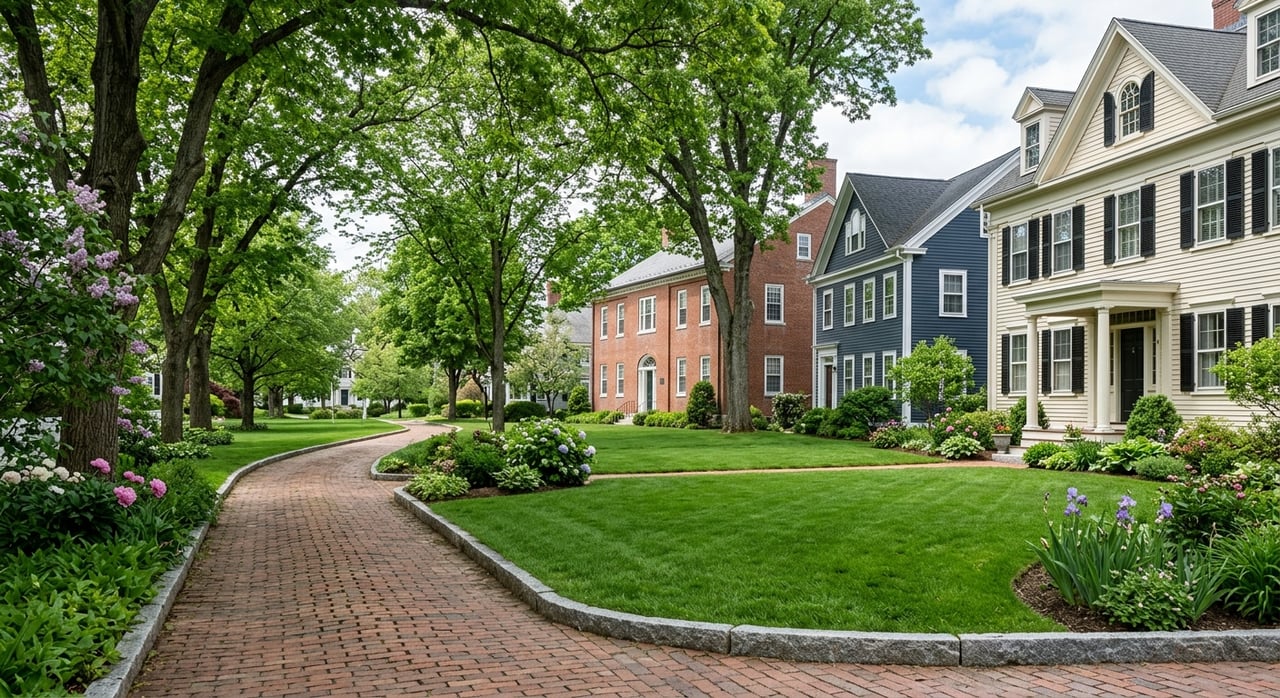
The neighborhood around Salem Common stands out for its architectural depth. The city’s preservation planning highlights a strong collection of Federal, Greek Revival, Victorian, Georgian, Second Empire, and Queen Anne homes in both brick and wood. These homes line the Common and nearby streets, creating a streetscape that feels layered and distinctly New England.
That setting is one reason the area has such a strong sense of place. The Common is surrounded not just by residences, but also by civic and historic landmarks that reinforce its identity as a preserved urban landscape. The city’s preservation materials point to notable nearby landmarks such as the Hawthorne Hotel, the Clifford-Crowninshield House, the Bertram House, and the Roger Conant Statue.
For buyers, this architectural context often becomes part of the value proposition. You are not only choosing a home, but also buying into a setting where craftsmanship, scale, and public space have remained central to the neighborhood’s identity.
What Preservation Means for Buyers
Historic character brings real advantages, but it also comes with practical considerations. The homes around Salem Common are within a protected local historic district, and the city notes that this designation helps guard against changes that could weaken the area’s historic character.
That matters if you are considering exterior work. The Salem Historical Commission reviews work in local historic districts, which means updates to exterior features may involve more oversight than in other neighborhoods. For the right buyer, that can be a benefit because it supports long-term visual consistency and stewardship. It also means renovation plans should start with a clear understanding of local review requirements.
If you are drawn to antique or architecturally significant homes, this is where local guidance matters. A property’s charm often lives in the details, and knowing how preservation rules intersect with upkeep, restoration, and value can make your search far more productive.
The Common Is Actively Maintained
Another important part of everyday life here is that Salem Common is not standing still. The city reports ongoing work that includes tree plantings, restoration of the Washington Arch, front-entrance design planning, and a phased bandstand project with structural repairs and accessibility improvements. You can see those efforts outlined on the city’s Salem Common project page.
For residents, that investment supports more than aesthetics. It helps preserve the quality, usability, and long-term function of the neighborhood’s central open space. In practical terms, it signals that the Common is being cared for as a living part of Salem rather than treated as a static landmark.
Walkability and Downtown Access
Salem Common appeals to people who want history and convenience in the same place. The area sits close to the cultural and commercial heart of downtown, where Salem Main Streets describes a year-round mix of retail, dining, and events.
That creates a lifestyle that feels both neighborhood-oriented and connected. Throughout the year, downtown Salem hosts recurring events such as Salem’s So Sweet, the Salem Arts Festival, the Salem Farmers’ Market, the Ice Scream Bowl, the Holiday Tree Lighting, and New Year’s Eve Salem. Living near the Common can place you near that activity while still giving you a recognizable residential setting anchored by green space.
Who Might Love Living Here
Salem Common tends to resonate with buyers who value a few specific things:
- Historic surroundings that feel authentic and well preserved
- Walkable daily routines with nearby dining, shopping, and culture
- Public green space that is central to the neighborhood
- Architectural variety with period homes and civic landmarks
- A lively event calendar that adds seasonal energy
It may be especially appealing if you appreciate homes with character and are comfortable with the responsibilities that often come with older properties and historic-district guidelines.
Questions to Ask Before You Move
If you are exploring a home near Salem Common, it helps to think beyond square footage and finishes. Consider how the neighborhood’s public nature fits your lifestyle.
A few smart questions include:
- How do event days affect traffic and parking near a specific property?
- Is the home subject to local historic district review for exterior changes?
- What maintenance needs are typical for the property’s age and style?
- How easily can you walk to the places you expect to use regularly?
- Do you want an active civic setting, a quieter side street, or a balance of both?
These questions can help you narrow your search and better match the home to the way you actually live.
Why Local Insight Matters
Around Salem Common, real estate is often about nuance. Two homes on nearby streets can offer very different experiences depending on event exposure, architectural condition, preservation constraints, and proximity to downtown activity. That is especially true in a neighborhood where the setting itself is part of the value.
If you are weighing a move near Salem Common, working with someone who understands both historic housing stock and the local market can give you a clearer picture of what to expect. For tailored guidance on buying or selling in Salem’s historic neighborhoods, connect with Michael Selbst.
FAQs
What is Salem Common in Salem, Massachusetts?
- Salem Common is an over 9-acre public green space at North Washington Square that the City of Salem identifies as the city’s oldest park, established in 1803 and located within a protected historic district.
What is everyday life like around Salem Common?
- Daily life around Salem Common often includes casual recreation, walking, sitting in the park, and easy access to downtown Salem’s dining, shopping, and cultural destinations.
What events take place at Salem Common?
- Salem Common hosts community events throughout the year, including concerts, movie nights, weddings, Haunted Happenings programming, and public events such as the First Muster on the Common.
Are homes around Salem Common in a historic district?
- Yes, the surrounding area includes a local historic district, and exterior changes may be reviewed by the Salem Historical Commission.
Is Salem Common a good fit for buyers who want walkability?
- Salem Common may appeal to buyers who want a walkable urban routine with nearby open space and access to downtown Salem amenities and events.