If you own a historic home in Salem’s McIntire District, you are not selling just square footage. You are selling craftsmanship, provenance, and a place within one of the city’s most closely watched historic streetscapes. That can feel exciting and a little daunting at the same time. The good news is that with the right preparation, pricing, and presentation, you can bring your home to market with clarity and confidence. Let’s dive in.
Why the McIntire District stands apart
Salem identifies the McIntire Local Historic District as part of the city’s historic core, and the Salem Historical Commission reviews work within that district. For you as a seller, that means your home sits within a regulated historic setting, not as an isolated property.
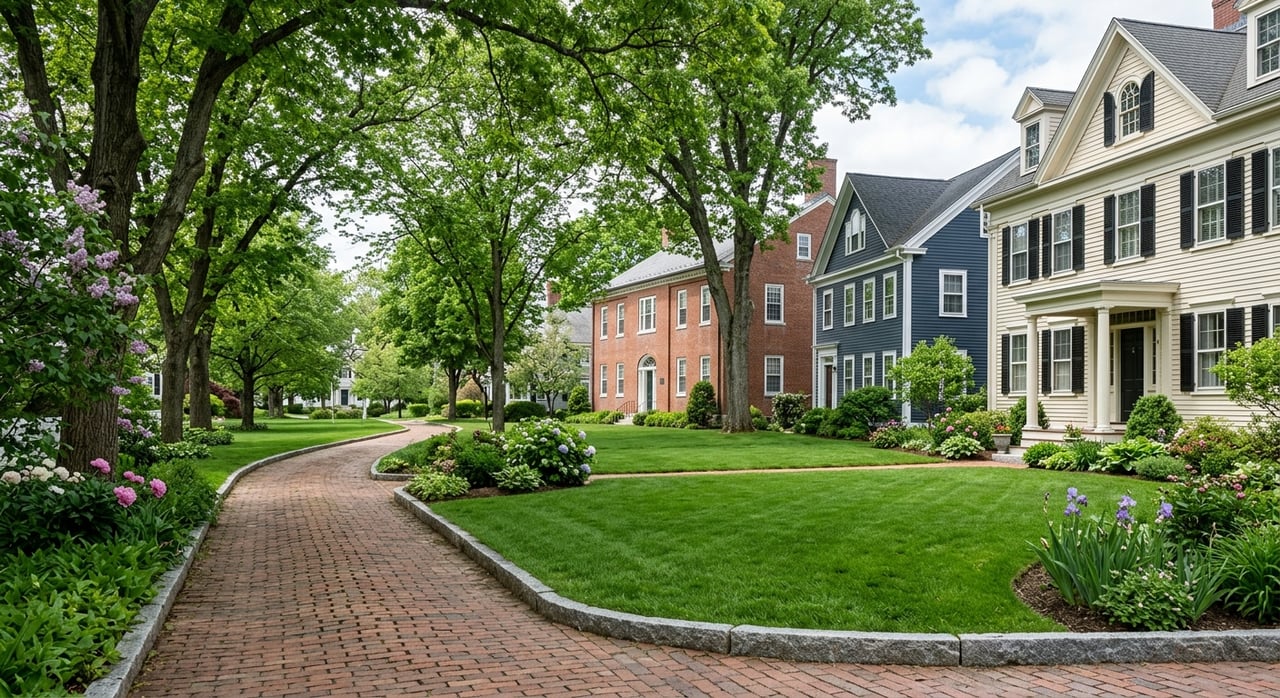
That distinction matters in the market. City materials describe the district as Salem’s finest concentration of Samuel McIntire-designed properties, and they connect the McIntire legacy to some of Salem’s landmark buildings. Buyers who focus on this area often care deeply about original detail, restoration quality, and the home’s historic story.
In practical terms, that means your property may be judged differently than a typical home elsewhere in 01970. Features like original woodwork, traditional windows, historic rooflines, and a well-preserved relationship to the street can carry real weight in how buyers perceive value.
What historic district rules mean for sellers
If you are getting ready to sell, one of the first things to understand is how local historic review can affect your timeline and your pre-listing decisions. Under Massachusetts General Laws Chapter 40C, changes to exterior architectural features in a local historic district generally require review before work begins.
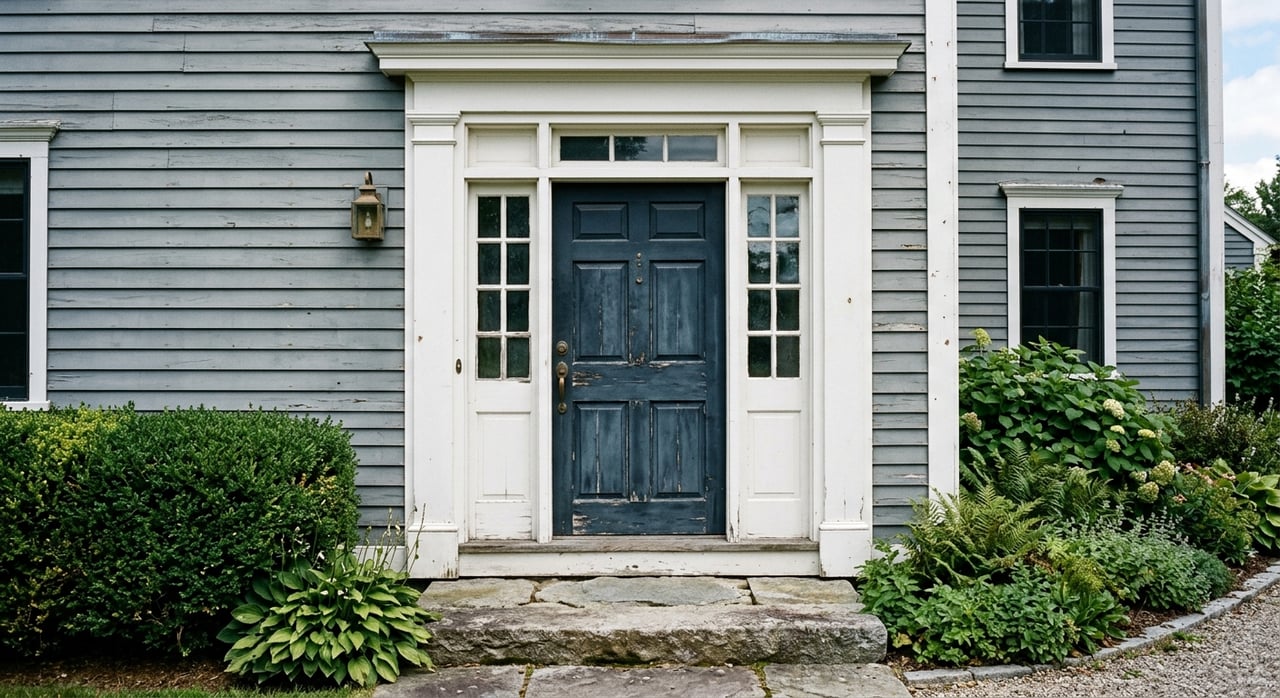
The law defines exterior architectural features broadly. It can include visible elements such as materials, paint color, windows, doors, lights, signs, fences, walls, and similar features that can be seen from a public way.
Salem’s guidelines follow that same framework. If a proposed change is visible from a public way, it may require a Certificate of Appropriateness, a Certificate of Non-Applicability, or in limited cases a hardship review.
Exterior changes that may need review
Before listing, sellers sometimes consider quick updates to improve curb appeal. In the McIntire District, it is important to pause before making those decisions.
According to Salem’s guidelines, review may apply to changes involving:
- Additions or new construction
- Removal of historic features
- Roof materials or roof color
- Paint colors
- Fences
- Chimneys
- Porches or decks
- Skylights
- Solar panels
- Exterior staircases
If you are unsure whether a project needs approval, that question should be answered early. A well-meant exterior change made without the proper certificate can create friction during marketing or due diligence.
What may not require a public hearing
Not every project triggers the same level of review. Salem’s guidelines state that ordinary maintenance or like-for-like repair or replacement may qualify for a Certificate of Non-Applicability if the work does not change the design, material, color, or outward appearance.
Interior work is also outside the commission’s jurisdiction when it does not affect the exterior. That distinction is helpful if you are making interior improvements before bringing the home to market.
Timing matters more than many sellers expect
Salem says applications for a Certificate of Appropriateness or hardship are due 16 days before a commission meeting. Those matters also require a public hearing, with abutter notice handled by staff.
That means even a fairly modest exterior project can affect your listing calendar. Salem’s commission also reviews demolition-delay requests, so if a planned scope of work touches removal or major alteration, it is smart to identify that early.
Build a seller file before you list
Historic homes sell best when the story is organized. In a district like McIntire, buyers often want more than finishes and floor plans. They want to understand what is original, what has been restored, and what documentation exists.
A strong seller file can help answer those questions quickly and build buyer confidence. It can also support any pre-listing historic commission discussions if you are planning work.
Documents worth gathering
Based on Salem and Massachusetts historic review practices, helpful materials may include:
- Deeds or chain-of-title notes
- Prior permits
- Historic photos
- Renovation invoices
- Architectural drawings
- Inventory forms
- Prior Certificate of Appropriateness decisions
- Prior Certificate of Non-Applicability decisions
The reason this matters is straightforward. The commission can ask for plans, elevations, specifications, materials, and other information before ruling on an application. Separately, Massachusetts notes that inventory forms in MACRIS serve as primary records of historic properties in the Commonwealth.
Documentation is not the same as restriction
This is one area where confusion is common. Massachusetts makes an important distinction between documentation and designation.
Inventory forms are records of historic properties, but they do not by themselves create a historic designation. Likewise, Massachusetts states that National Register listing alone does not place restrictions on private owners using private funds unless another local or regional rule applies.
For a McIntire District seller, the local historic district is the key framework to understand. That clarity helps you explain to buyers what is actually regulated, what is simply documented, and what adds richness to the home’s story.
How to present a historic home well
Historic-home marketing works best when it shows both beauty and credibility. Buyers in this segment are often responding to architecture, materials, and stewardship just as much as layout.
That means your presentation should do more than make the house look attractive. It should help buyers see authenticity and understand the care that has gone into the property over time.
Focus on features that signal authenticity
In the McIntire District, the most compelling details are often the ones tied directly to the home’s historic character. Salem’s guidelines highlight the kinds of exterior features the district is meant to preserve, and those same elements often shape buyer perception.
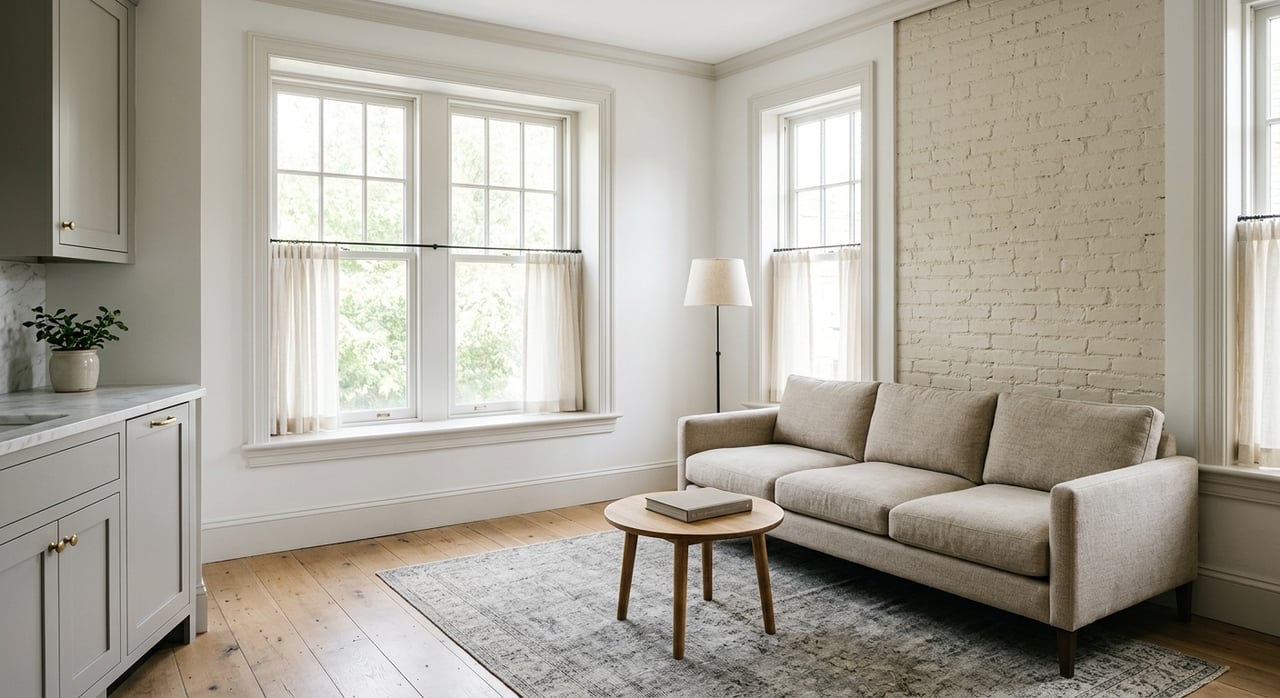
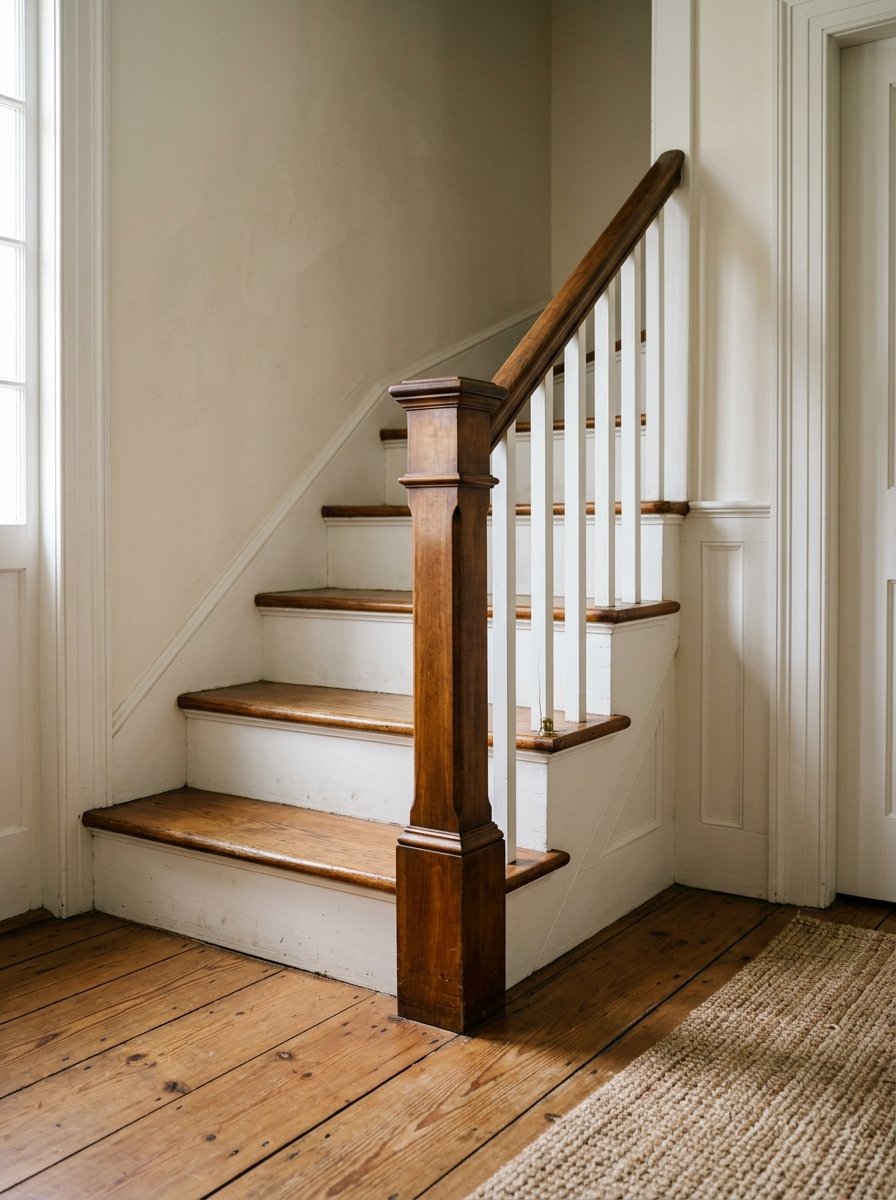
When preparing the home for photography and showings, it helps to foreground features such as:
- Staircases
- Wood trim
- Mantels
- Windows
- Doors
- Fences
- Rooflines
- The home’s relationship to the street
These are not just decorative details. In many cases, they are part of what makes the property legible as a historic asset.
Tell the restoration story clearly
For distinctive antique homes, buyers often ask three questions right away: What is original? What has been restored? What might require future review?
Your listing materials should answer those questions as clearly as possible. A concise, factual narrative around restoration history can reduce uncertainty and help serious buyers appreciate the home’s value on its own terms.
Pricing a McIntire District home
Pricing a historic home in this district requires discipline. Salem’s broader market offers useful context, but it should not be the main yardstick for a one-of-a-kind property in the McIntire area.
Redfin reported Salem’s median sale price at about $583,000 in March 2026, with homes taking about 38 days to sell and receiving about two offers on average. For the 01970 ZIP code, Redfin showed a median sale price of about $608,000 and an average of 32 days on market in April 2026.
Those numbers provide market background, but recent McIntire-area sales tell a different story at the upper end. Recent Chestnut Street sales in the district reached $1.85 million, $1.975 million, and $2.175 million for large restored homes, suggesting that this section of Salem can trade at a meaningfully higher level than the broader local market.
Why like-for-like comparables matter
A historic district home should not be priced as if it were interchangeable with a standard property nearby. Size still matters, of course, but so do provenance, condition, restoration quality, and the degree to which historic features remain intact.
That is why like-for-like comparables matter so much here. The most useful pricing analysis looks closely at other restored historic homes, especially those with similar scale, architectural integrity, and location within Salem’s historic core.
Marketing to the right buyers
The buyer pool for a high-end historic property is often more specific than the pool for a typical single-family home. That is not a disadvantage if the marketing strategy is built around the property’s strengths.
The right buyers are often looking for stewardship, authenticity, and a clear understanding of what they are buying. They may be local, relocating from another market, or searching from outside Massachusetts entirely.
What strong marketing should communicate
For a McIntire District listing, strong marketing should make several points easy to understand:
- The home’s architectural significance and provenance
- The quality and scope of restoration work
- Which features appear original or historically important
- What future exterior changes may require commission review
- Why the home fits into a distinct segment of the Salem market
For a unique property like this, out-of-market exposure can also be especially helpful. A home with strong architecture and a well-documented story often benefits from reaching buyers beyond the immediate local audience.
A thoughtful selling strategy matters
Selling in the McIntire District is rarely about rushing to market with a generic listing approach. It is about preparing the property carefully, documenting it well, and positioning it with the nuance a historic home deserves.
That is especially true if you are balancing preservation concerns with pricing goals. The best outcome usually comes from combining local district knowledge, restoration fluency, and disciplined market analysis.
For owners of antique and architecturally significant homes, that combination can make the selling process feel far more manageable. It also helps ensure the market sees not just a house, but a rare Salem property with lasting value.
If you are thinking about selling a historic home in Salem’s McIntire District, Michael Selbst offers boutique guidance shaped by hands-on restoration experience, local market insight, and tailored marketing for distinctive North Shore properties.
FAQs
Do Salem historic district rules affect selling a home in the McIntire District?
- Yes. If exterior changes visible from a public way were made or are planned, they may require review by the Salem Historical Commission through a Certificate of Appropriateness, Non-Applicability, or hardship process.
Do interior updates in a McIntire District home need historic commission approval?
- Interior work is generally outside the Salem Historical Commission’s jurisdiction if it does not affect the exterior of the home.
Does National Register status restrict a private owner selling a Salem historic home?
- No. Massachusetts states that National Register listing by itself does not restrict private owners using private funds unless another local or regional rule applies.
What documents help when selling a historic home in Salem?
- Helpful materials can include deeds, chain-of-title notes, prior permits, historic photos, renovation invoices, drawings, inventory forms, and prior commission decisions.
How should you price a historic home in the McIntire District?
- Pricing should rely heavily on like-for-like historic comparables, because broad Salem or 01970 market averages may not reflect the value of a restored home in this district.