If you own or hope to buy an older home in Marblehead, you have probably wondered whether historic charm actually adds value or simply adds complexity. In this market, the answer is usually both. Marblehead’s historic character can support stronger pricing and buyer demand, but the premium is not automatic. It depends on scarcity, condition, preservation rules, and how well the home presents to today’s market. Let’s dive in.
Why Marblehead’s History Matters
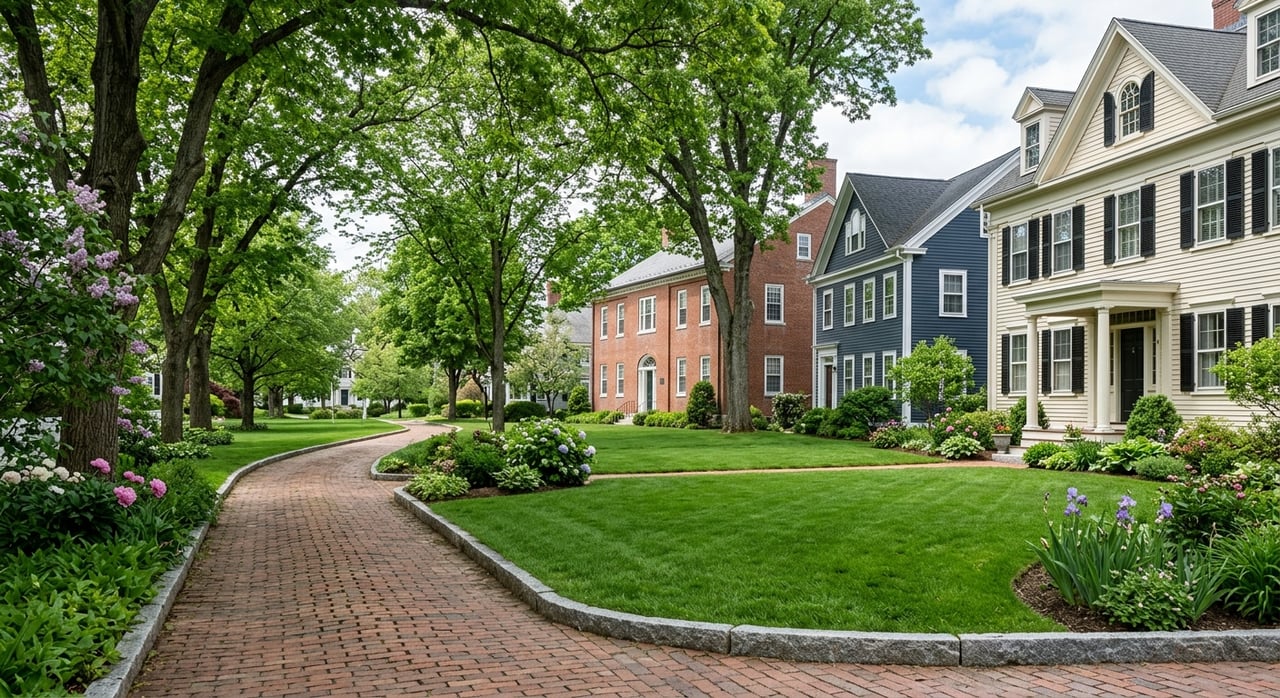
Marblehead’s historic identity is not just a marketing phrase. The town describes itself as a coastal community founded in 1629, with narrow streets and 17th- and 18th-century buildings that remain part of its core character. That built environment gives Marblehead a sense of place that is hard to replicate in newer communities.
The scale of that historic fabric is also unusual. According to the town, the Marblehead Historic District spans 2,300 acres and includes 988 contributing buildings, including some 1600s structures and about 200 houses built before the American Revolution. The National Park Service also recognizes the district on the National Register.
That matters because buyers are often responding to more than one house. They are responding to the surrounding streetscape, the continuity of architecture, and the rarity of a preserved historic setting. In Marblehead, that context can be part of what makes a property feel special and worth pursuing.
How Historic Character Supports Value
Historic character tends to influence home values in Marblehead through three main channels: scarcity, preservation, and buyer perception. When those factors line up with solid condition and practical livability, they can help a home stand out in a competitive market.
Scarcity Creates Demand
Buyers are not usually paying extra just because a house is old. They are often paying for something harder to find: original architecture, a proven sense of place, and a preserved neighborhood setting. In Marblehead, where much of the historic core remains intact, that scarcity can make authentic homes more compelling.
Academic research supports the idea that historic districts can affect pricing. A recent paper in Landscape and Urban Planning found that local historic districts can raise prices by restricting redevelopment and increasing preservation desirability, with prior findings showing gains of 12% to 23% in some local districts and a smaller premium for National Register listing. You can review that research summary here.
Preservation Helps Protect Character
In Marblehead, historic character is not just visual. It is also regulated. The town’s Old & Historic Districts Commission says proposed changes to buildings and structures visible from a public way often require approval, and a Certificate of Appropriateness is required before work can proceed within the districts.
That framework can support value because it helps preserve the look and feel that buyers are seeking. If neighboring properties are also subject to design review, buyers may have more confidence that the character of the street is less likely to change dramatically. That kind of continuity can matter in value-sensitive, design-conscious markets.
Buyer Perception Drives the Premium
Even in a strong market, not every historic home earns the same response. Buyers tend to reward homes that feel authentic, well-kept, and easy to understand. A house with original proportions, thoughtful upkeep, and tasteful updates usually reads differently than a house that feels neglected or heavily altered.
That distinction matters in Marblehead’s current market. Zillow reports an average home value of $994,007, up 2.0% year over year, while the same source cites Redfin data showing a March 2026 median sale price of $830,000, up 6.5% from the prior year, with homes taking a median 45 days to sell. In a competitive environment like that, buyers often move fastest for homes that translate historic character into a polished, livable product.
What Appraisers Actually Look For
One of the biggest misconceptions about antique homes is that age alone creates value. It does not. Appraisers and buyers look more closely at condition, quality, originality, and marketability.
According to Fannie Mae’s property condition guidance, an appraiser must judge a property on its own merits, report deferred maintenance and needed repairs, and use the best available indicators of value if the property is unique or lacks directly comparable sales. That is especially relevant in Marblehead, where one pre-1900 home may be carefully preserved and another may be substantially altered.
Fannie Mae also notes in its appraisal reporting guidance that appraisers must consider market resistance tied to design, quality, condition, size, or other demand-related features. In plain terms, buyers and appraisers are asking the same practical question: does this home’s historic character feel like an asset, or does it create concerns about maintenance, function, or future cost?
Which Features Matter Most
In Marblehead’s historic districts, certain exterior features carry more weight because they shape both curb appeal and compliance. These are often the areas where value can be strengthened or weakened most clearly.
Windows and Materials
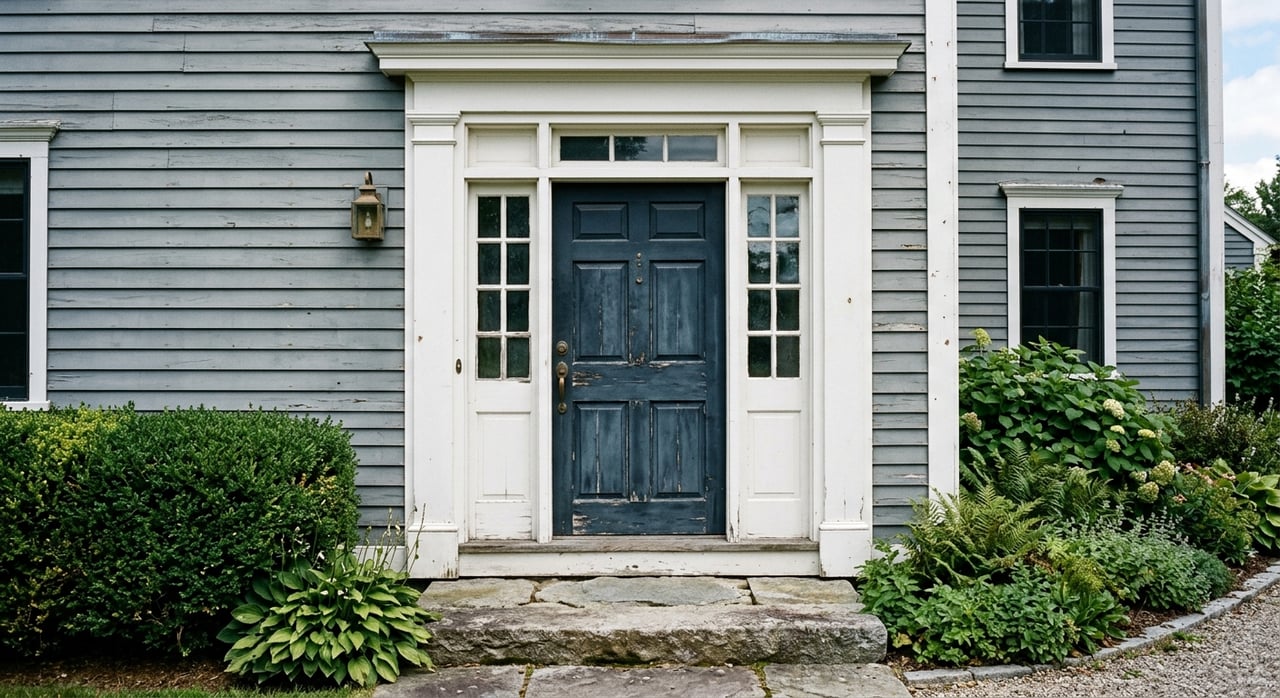
The town’s window guidelines say original wood windows are preferred and generally required when visible from a public way. The guidance also says simulated divided lites are generally not appropriate, replacement inserts are not appropriate, and aluminum, vinyl, and composite windows are generally not favored.
For value, that means buyers may see original or properly restored windows as a sign of stewardship. By contrast, visible replacements that do not align with district guidance may affect both appearance and buyer confidence. In a historic home, details like muntin pattern, sash depth, and material quality can shape the overall impression more than many owners realize.
Siding and Roofing
Marblehead’s siding guidance says it is preferable to maintain original siding and to preserve the appearance of original siding when replacement is necessary. The guidance also favors natural materials and original-style reveals and joints.
Roofing decisions matter too. The same district materials say owners should consider matching original roofing materials, allow like-kind asphalt replacement in appropriate cases, support wood shakes, wood shingles, and slate where suitable, and state that metal roofs are not appropriate in the districts. These visible materials affect how well the home fits its setting, which can influence first impressions and pricing power.
Mechanical Visibility and Exterior Details
Historic value is not limited to original trim and clapboards. The town’s OHDC guidance notes that HVAC equipment and other exterior mechanical components should be screened or placed where they are not visible from the public way. The guidance also identifies windows, doors, fences, roofs, siding, hardscape, chimneys, and mechanical systems as examples of work that can require review.
This is where presentation matters. A carefully maintained historic exterior with visible condensers, awkward fencing, or unsympathetic hardscaping can feel less coherent to buyers. Small visual disruptions can weaken the sense of authenticity that often supports a premium.
What Sellers Should Do Before Listing
If you are preparing to sell a pre-1900 home in Marblehead, the goal is usually not to erase history or turn the property into something generic. The stronger position is often a home that feels preserved but livable.
Before making exterior changes, review the town’s general guidance for property owners in the historic district and confirm whether a Certificate of Appropriateness is needed. Keeping permits, approvals, and before-and-after records together can also help you show buyers that work was handled thoughtfully.
Here are the pre-listing areas most likely to matter:
- Windows visible from the street
- Siding condition and material consistency
- Roof condition and appropriateness
- Chimneys, masonry, and hardscape
- Fences and gates
- Screening or placement of HVAC equipment
- General deferred maintenance
Pricing also needs extra care. Townwide averages can provide context, but unique antique homes should be evaluated against the most relevant comparable sales available, with adjustments for originality, updates, condition, and market acceptance. In Marblehead, a highly original 18th-century house, a sensitively updated antique, and a heavily altered older home may all command very different reactions.
What Buyers Should Keep in Mind
If you are shopping for a historic home in Marblehead, it helps to look past the romance of age and ask practical questions. Is the home well maintained? Do visible exterior features appear historically appropriate? Are updates supportive of the architecture, or do they feel disconnected from it?
You should also understand that district oversight can shape future projects. That is not necessarily a drawback. For many buyers, it is part of what protects the character they are paying for. But it does mean that renovation plans should be approached with clear expectations.
The most valuable historic homes are usually not the oldest ones. They are often the ones where authenticity, upkeep, and functionality work together. When that balance is there, historic character becomes more than a story. It becomes a market advantage.
If you are weighing the value of a historic home in Marblehead, whether as a seller preparing for market or a buyer assessing long-term upside, nuanced guidance matters. Michael Selbst combines hands-on restoration experience with data-driven valuation to help clients understand how character, condition, and market context come together in real pricing decisions.
FAQs
How does historic character affect Marblehead home values?
- Historic character can support value through scarcity, preserved streetscape, and buyer demand, especially when the home is well maintained and thoughtfully updated.
Do homes in Marblehead’s historic districts need approval for exterior changes?
- Yes, the Old & Historic Districts Commission says many changes visible from a public way require review and a Certificate of Appropriateness before work proceeds.
Do appraisers give older Marblehead homes more value just because they are old?
- No, appraisers focus on condition, quality, marketability, and comparable sales support rather than age alone.
Which exterior features matter most for historic homes in Marblehead?
- Windows, siding, roofing, chimneys, fences, hardscape, and visible mechanical systems often matter most because they affect both appearance and district compliance.
What should sellers of pre-1900 Marblehead homes do before listing?
- Sellers should review historic district requirements, confirm approvals for past work, organize permits and records, and address visible condition issues that may affect buyer perception or appraisal.
What should buyers know before purchasing a historic home in Marblehead?
- Buyers should understand the home’s condition, the appropriateness of visible updates, and the local review process that may apply to future exterior changes.