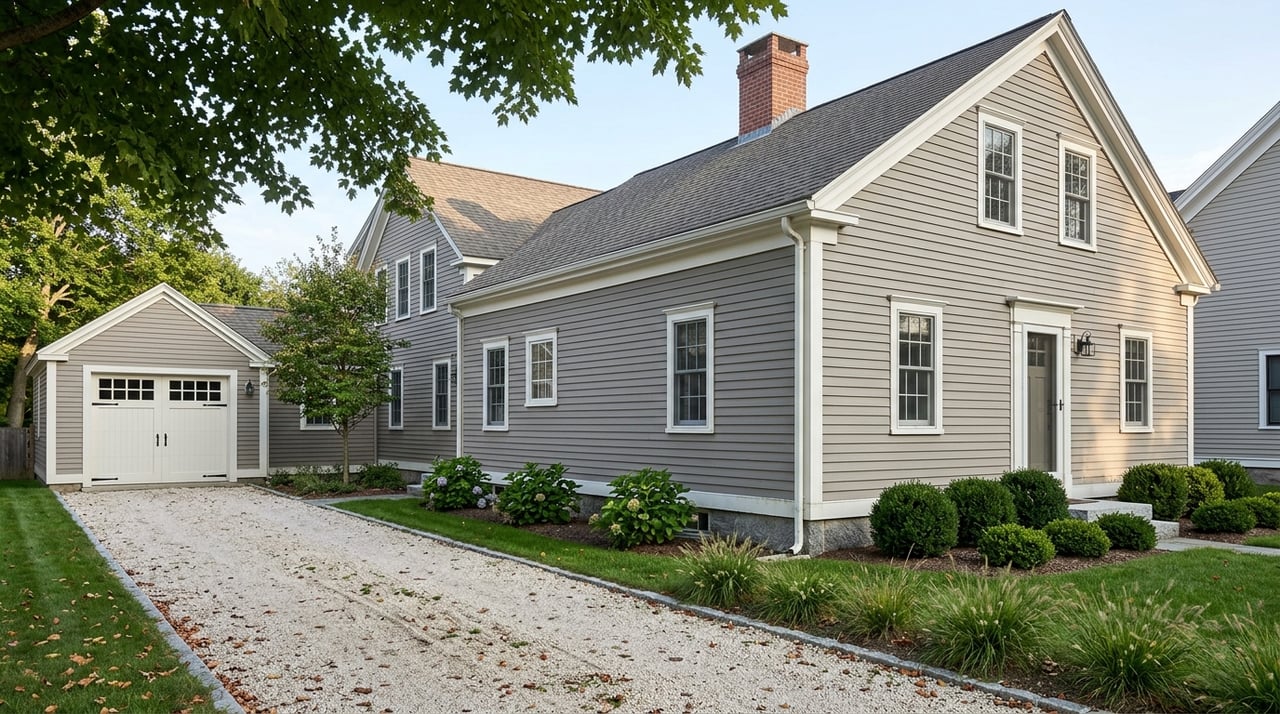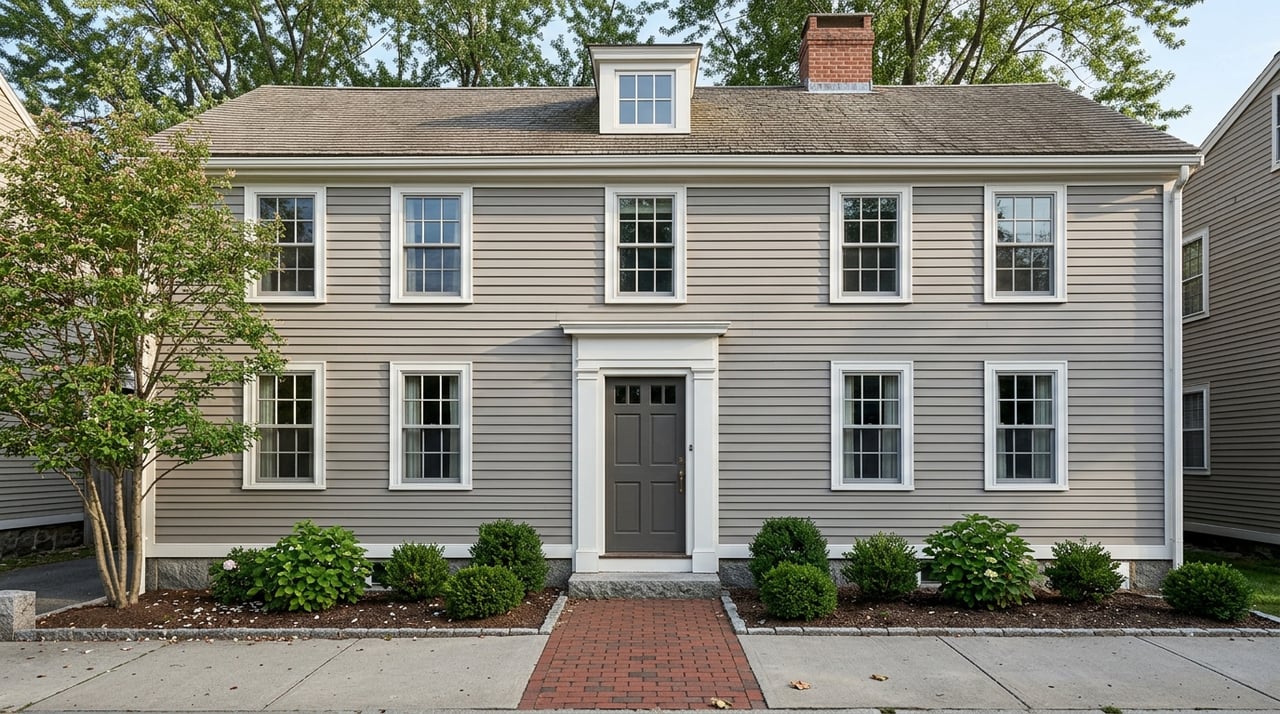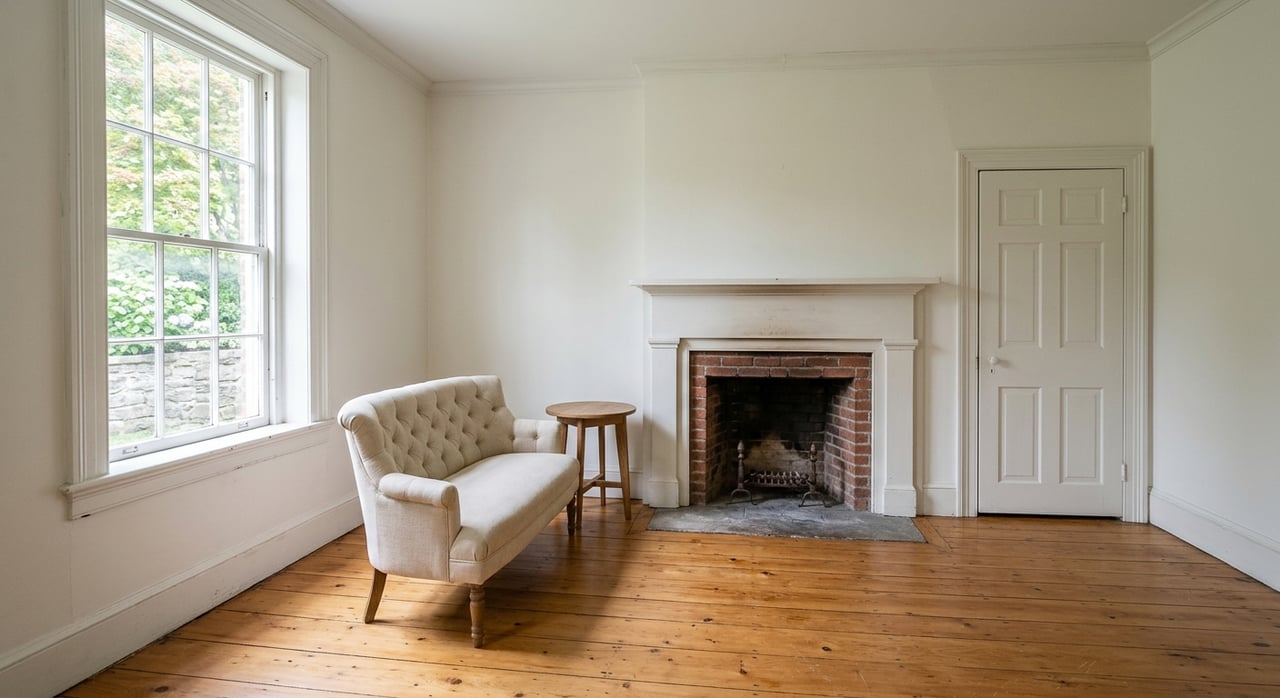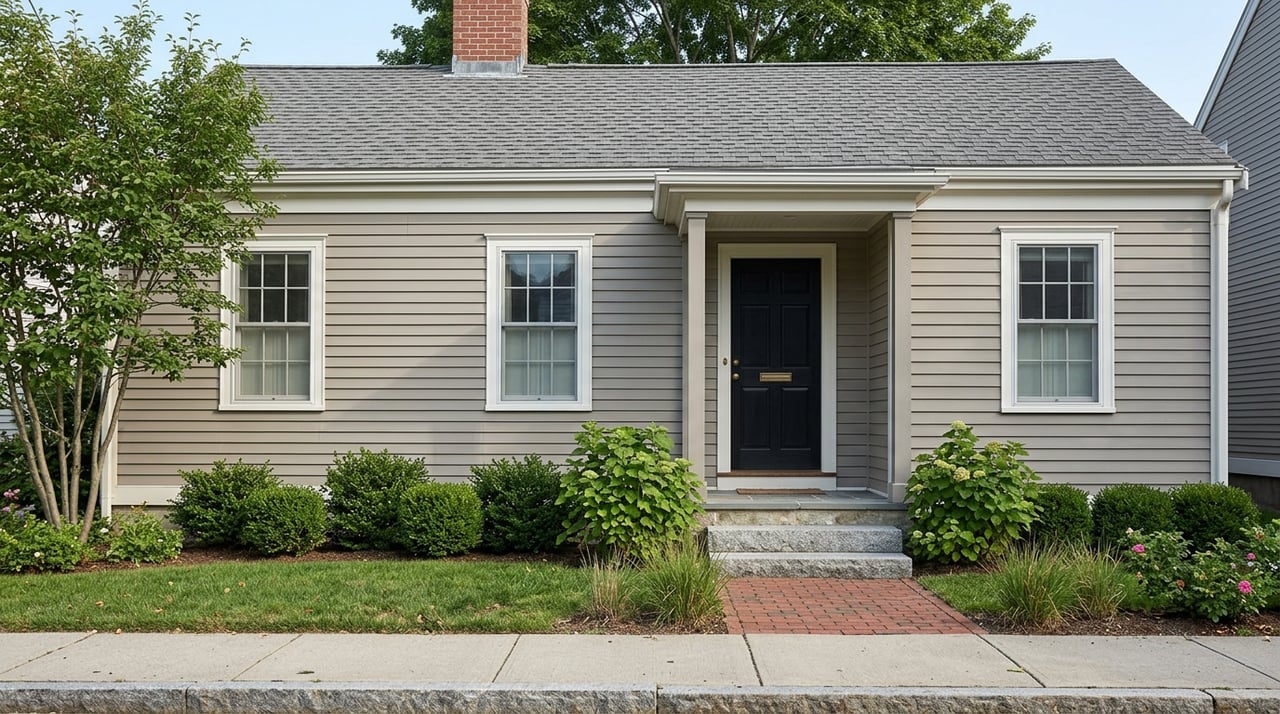
What does seaside living really feel like when summer ends? In Swampscott, the answer is more layered than many buyers expect. If you are weighing a move to this compact North Shore town, it helps to understand how the coast shapes daily life in every season, not just during beach weather. Let’s dive in.
Why Swampscott Feels Distinct
Swampscott is a small Essex County town on the Atlantic coast, about 12 miles from Boston, with roughly 14,600 residents and just 3.58 square miles of land area. The town describes itself as a small beach community whose scenic resources and settlement pattern were shaped by the ocean.
That coastal identity shows up in daily routines as much as in views. Town materials note that the beaches are the most visited areas in Swampscott and the primary attraction and identifier for residents. If you are considering buying here, that tells you something important right away: the shoreline is part of how the town lives.
Summer in Swampscott
Beaches Take Center Stage
Summer is the most beach-centered season in Swampscott. The town lists six beaches, and each one offers a slightly different experience depending on access, amenities, and supervision.
Phillips’ Beach has lifeguards seven days a week from late June through mid-August. Fisherman’s Beach has weekend lifeguards during that same stretch, along with a pier, launching ramp, and town sailing programs. Other beaches do not have lifeguards on duty, which means your day at the shore can vary quite a bit depending on where you go.
Access Varies by Beach
One detail that matters for year-round residents and buyers is that beach parking rules are not the same everywhere. Some shoreline areas feel more active and more regulated in summer because public beach use increases and access patterns shift.
If you are looking at homes near Humphrey Street, Ocean Avenue, Atlantic Avenue, or Puritan Road, you may notice that these beach-corridor streets feel especially seasonal. They are close to the public shoreline, so the summer rhythm is more visible there than in inland parts of town.
Water Conditions Matter
In a true seaside community, the ocean is an amenity, but it is also a changing condition. Swampscott’s Health Department conducts summer beach water testing at all town beaches, and the town advises swimmers to wait 48 to 72 hours after heavy rain before entering the water.
That practical detail says a lot about life here. Coastal living in Swampscott is not just about the postcard view. It is about paying attention to how the shoreline works and using it well.
Fall in Swampscott
Walking Season Becomes More Visible
When summer crowds ease, Swampscott’s walkable side tends to stand out more clearly. The town promotes walking maps and trail routes including the Forest River Connector, Fish House to Red Rock Walk, and Phillips and Preston Beaches.
This is often when buyers start to see the town in a more everyday way. Instead of focusing only on beach days, you begin to notice how parks, paths, and open spaces support regular pedestrian and bicycle use.
A Good Season to Learn the Town
Fall can be one of the best times to understand how different parts of Swampscott feel. The weather is often more comfortable for walking, and you can better gauge your route to the train, the library, parks, or local shops without the intensity of peak summer activity.
If lifestyle matters as much as square footage to you, this season can be especially revealing. It gives you a clearer read on whether you want to be closer to shoreline activity, commuter access, or quieter residential pockets.
Winter in Swampscott
Coastal, Not Quiet
Winter in Swampscott is shaped by the coast, but it is still very much New England winter. Using nearby Boston Logan as a coastal weather proxy, NOAA’s 1991 to 2020 normals show January averaging 29.9°F, annual precipitation at 43.59 inches, and annual snowfall at 49.2 inches.
In other words, the ocean may moderate the cold somewhat, but snow remains part of the picture. If you are relocating from an inland suburb or from out of market, it helps to think of Swampscott as coastal rather than mild.
Year-Round Town Life Continues
One of the more appealing parts of Swampscott is that it does not read as a place that closes down after Labor Day. The town has eight parks with features such as baseball and softball fields, basketball and tennis courts, playgrounds, an outdoor track, and picnic areas.
The public library at 61 Burrill Street also plays a meaningful year-round role. Its hours include Monday through Wednesday evenings until 8:30 p.m., Thursday evening service, and Saturday hours, which makes it a practical part of winter routines and after-work life.
For buyers who want more than a summer address, that matters. Swampscott offers civic anchors that help the town function as a full-time community in every season.
Spring in Swampscott
Outdoor Life Returns Early
Spring tends to shift quickly toward outdoor use in coastal Swampscott. NOAA’s nearby coastal normals show April averaging 48.6°F, May 58.4°F, and June 68.0°F.
That warming pattern lines up with how the town is used. Shoreline walks, early outdoor dining season, and fuller recreation use often return before the busiest beach weeks begin.
A Transitional Season for Buyers
For homebuyers, spring can be a useful time to evaluate how a property connects to the outdoors. You can start to see how close you are to walking routes, parks, rail service, and the shoreline before summer parking patterns and peak beach activity fully arrive.
This season also highlights something important about Swampscott’s appeal: it is not only about one signature moment. The town offers a sequence of seasonal experiences, and spring is where that sequence starts to feel especially clear.
How Different Areas Feel
Shoreline Streets
Areas near Humphrey Street, Ocean Avenue, Atlantic Avenue, and Puritan Road tend to feel the most seasonally active. Their proximity to public beaches means you are closer to summer energy, varied parking rules, and the strongest everyday connection to the water.
For some buyers, that is the draw. If you want to feel the ocean in the cadence of daily life, these blocks often deliver that most directly.
Station Area
The area around the MBTA station has a different kind of rhythm. Swampscott’s master plan describes it as a transit village with shops and residences in a walkable environment.
The Newburyport/Rockport Line serves Swampscott station with parking and accessible service, and reviewed schedules show trips to North Station in roughly 33 to 37 minutes depending on departure time. That makes this area especially relevant if you want a realistic Boston commute alongside coastal living.
Vinnin Square and West-Side Areas
Vinnin Square reads more as a daily-errand and mixed-use node than a beach-centered one. The town’s master plan frames it as a regional destination for shoppers and workers.
If your version of convenience is driven by errands and practical access rather than shoreline activity, this part of town may feel more aligned. It offers a different expression of Swampscott living.
Inland Residential Pockets
Inland areas closer to parks, fields, trail connections, and the library often feel more day-to-day in orientation. These pockets may suit buyers who want access to town amenities without being in the center of seasonal beach traffic.
That does not make them disconnected from the coast. It simply means the experience is more residential and less tied to the immediate tempo of the shoreline.
What Buyers Should Keep in Mind
Swampscott works best when you choose a location that matches your routine, not just your summer imagination. A home near the beach may give you a stronger sense of place and water access, while a station-adjacent home may better support a commuter schedule.
It also helps to look beyond one weekend visit. Walk the neighborhood, note the parks and civic amenities nearby, and think about how you would use the town in February, May, and October, not only in July.
For many buyers, that is where Swampscott becomes compelling. It offers a compact, ocean-shaped lifestyle with multiple patterns of living, from lively shoreline blocks to quieter inland streets.
If you are considering Swampscott, the right guidance can help you match the town’s seasonal character to the kind of home and routine you want. To talk through neighborhoods, lifestyle fit, and property opportunities on the North Shore, connect with Michael Selbst.
FAQs
What is summer like in Swampscott for full-time residents?
- Summer in Swampscott is centered on the town’s six beaches, with different lifeguard coverage, amenities, and parking rules depending on the location.
What is winter like in Swampscott compared with inland suburbs?
- Winter in Swampscott is coastal in character, but nearby NOAA normals still show a true snow season, with January averaging 29.9°F and annual snowfall around 49.2 inches.
Which parts of Swampscott feel closest to the beach lifestyle?
- Shoreline streets near Humphrey Street, Ocean Avenue, Atlantic Avenue, and Puritan Road tend to feel the most closely tied to beach activity and seasonal shoreline use.
Is Swampscott a practical town for Boston commuters?
- Yes, the Newburyport/Rockport Line serves Swampscott station, and reviewed train schedules show trips to North Station of roughly 33 to 37 minutes depending on departure time.
Does Swampscott feel active outside summer?
- Yes, town amenities such as parks, walking routes, open spaces, and the public library support year-round daily life beyond peak beach season.