If you are searching for a single-family home in South Salem, you are probably trying to balance character, space, commute, and long-term upkeep all at once. That can feel especially tricky in an area where housing styles, lot sizes, and street patterns can change from one block to the next. The good news is that South Salem gives you real variety, from older character homes to later infill near green space and key roads. Here is how to think through your options with more clarity and confidence.
What South Salem feels like
South Salem is not one uniform subdivision with the same house on every lot. City planning materials describe it as a mixed housing corridor, with higher-density uses closer to parts of Liberty Road South and Davis Road South, and more traditional single-family areas farther south and east.
For you as a buyer, that means the single-family experience can vary quite a bit depending on the exact address. One street may feel more compact and connected to busier corridors, while another may feel quieter, greener, and more detached from the city center.
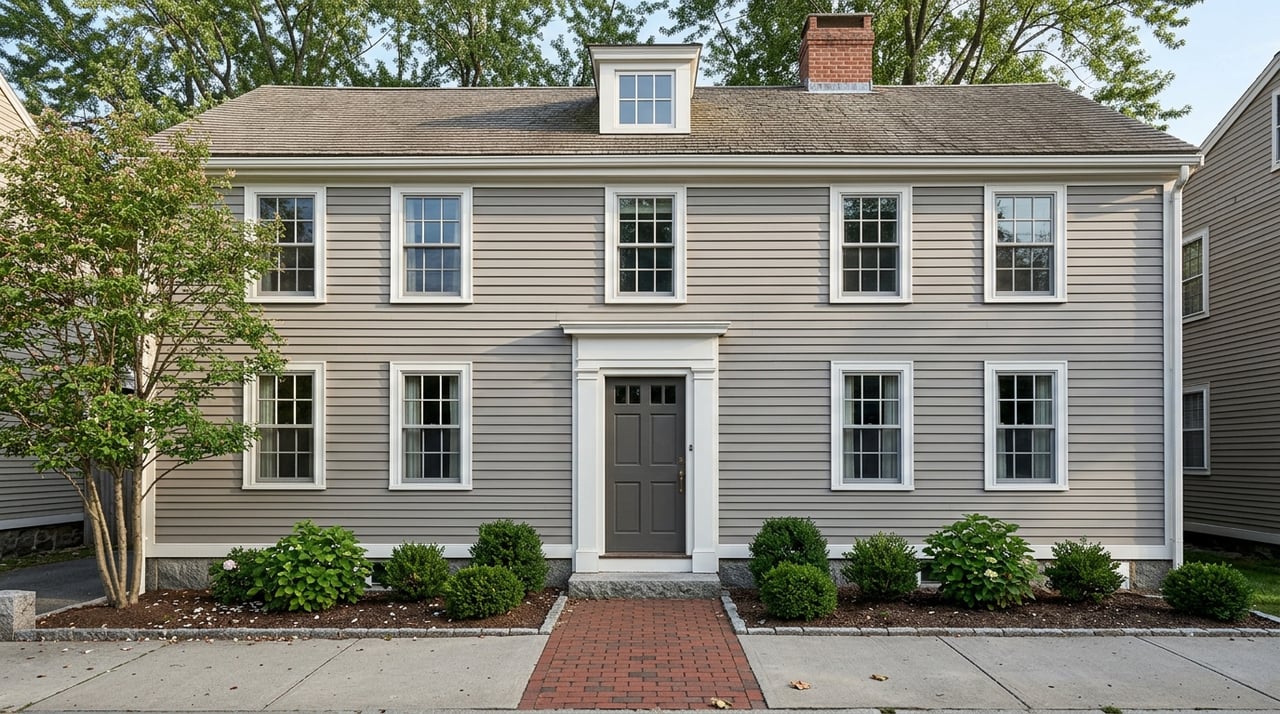
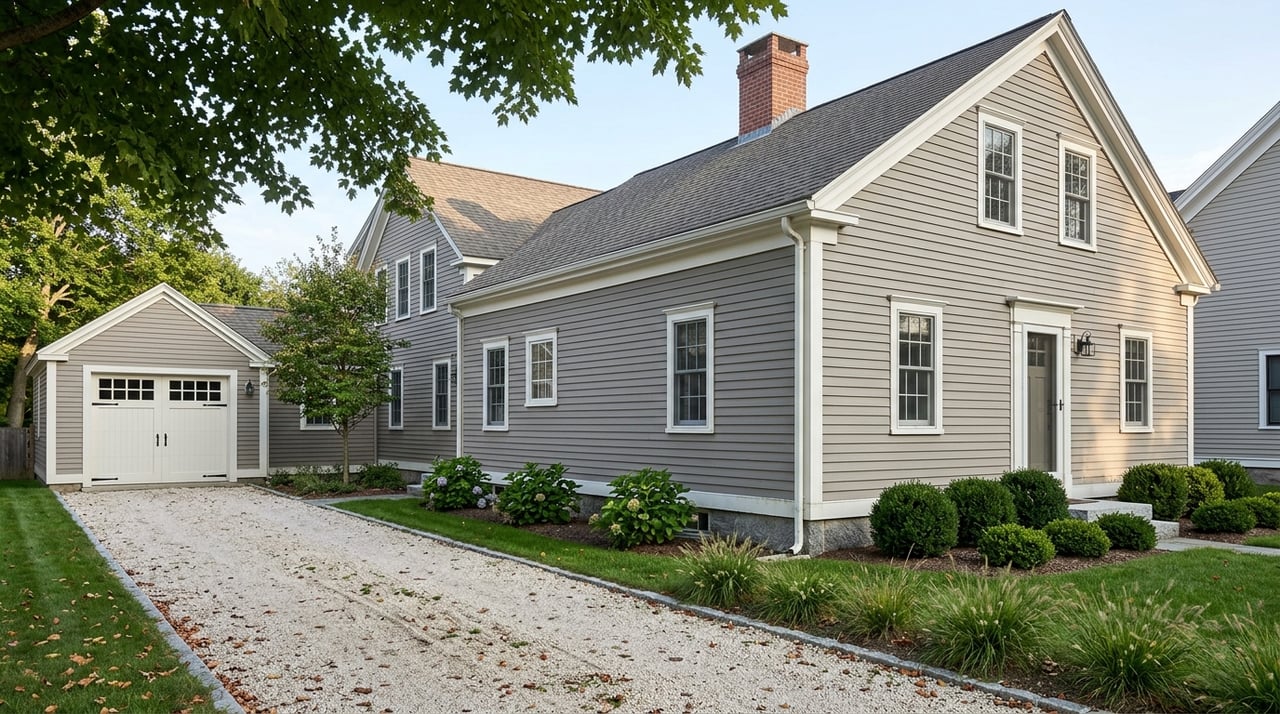
South Salem also includes a broad mix of home eras and architectural styles. City survey work identifies antebellum houses, pre-fire single-family dwellings, Queen Anne, Dutch Colonial Revival, Shingle, Craftsman, Spanish, and mid-century homes.
That patchwork gives the area real personality. It also means your home search should focus less on broad assumptions and more on the specific block, lot, and structure in front of you.
Why single-family appeals here
A single-family home in South Salem often appeals to buyers who want more control over their property and day-to-day living. Compared with a condo, you typically have more autonomy over your exterior space, your maintenance schedule, and how you use the home.
That independence can matter even more in a neighborhood where outdoor access is part of the appeal. In South Salem, proximity to conservation land, trails, and park space can make a single-family property feel like a lifestyle shift, not just a housing change.
Forest River Park is a major local amenity. The city highlights beaches, picnic areas, a playground, a pool, a splash pad, and trail access, which gives many buyers a stronger connection to the outdoors than they may find in a denser condo setting.
Understand the block-by-block differences
One of the biggest mistakes buyers make is assuming every South Salem single-family home offers the same land use pattern. In reality, zoning and planning context can create meaningful differences in privacy, lot size, and future flexibility.
In Salem's R1 zoning district, the minimum lot area is 15,000 square feet, minimum frontage is 100 feet, maximum lot coverage is 30 percent, and maximum height is 35 feet or 2.5 stories. Required yards are 15 feet in front, 10 feet on the side, and 30 feet in the rear.
The RC district is much more spacious, with an 80,000-square-foot minimum lot area and 20 percent maximum lot coverage. If you are comparing two homes that both look like "single-family in South Salem," the zoning may help explain why one feels more compact and another feels much more open.
The city also allows cluster residential development by special permit in both R1 and RC districts. That matters because some newer or updated infill patterns may not follow the classic large-lot model you might expect.
Match the home to your lifestyle
The right house is not always the biggest or oldest one. In South Salem, the better question is how the property fits the way you actually live.
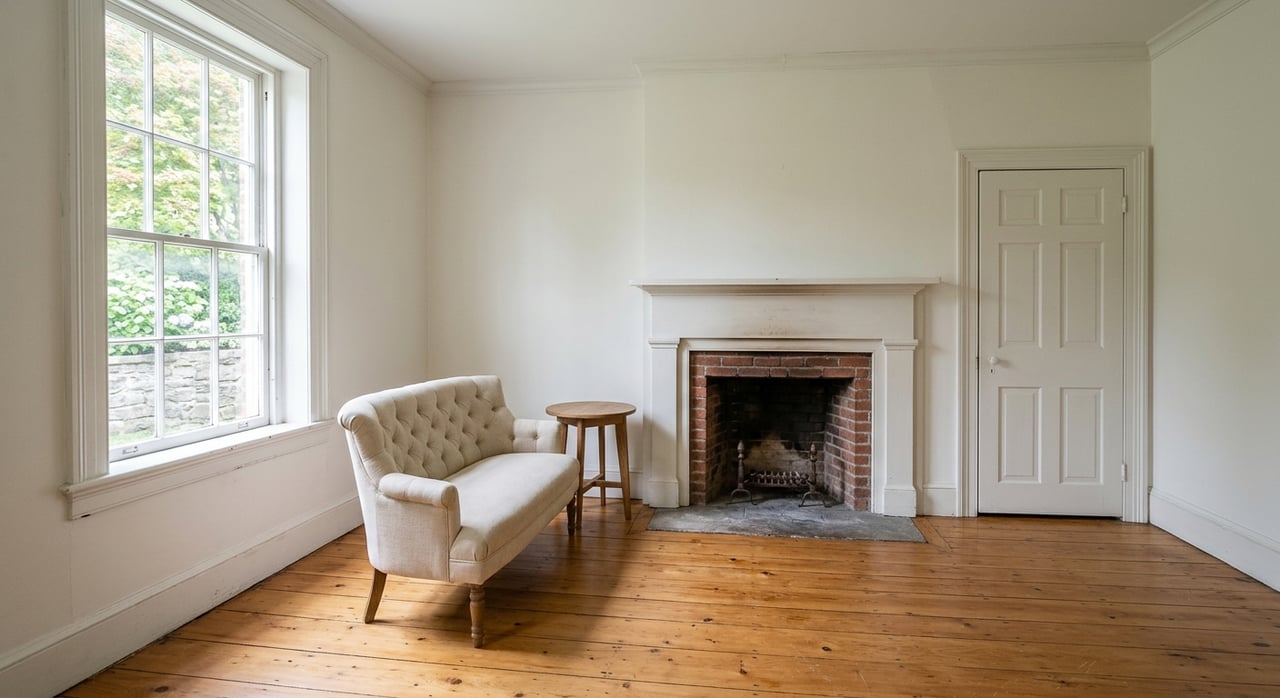
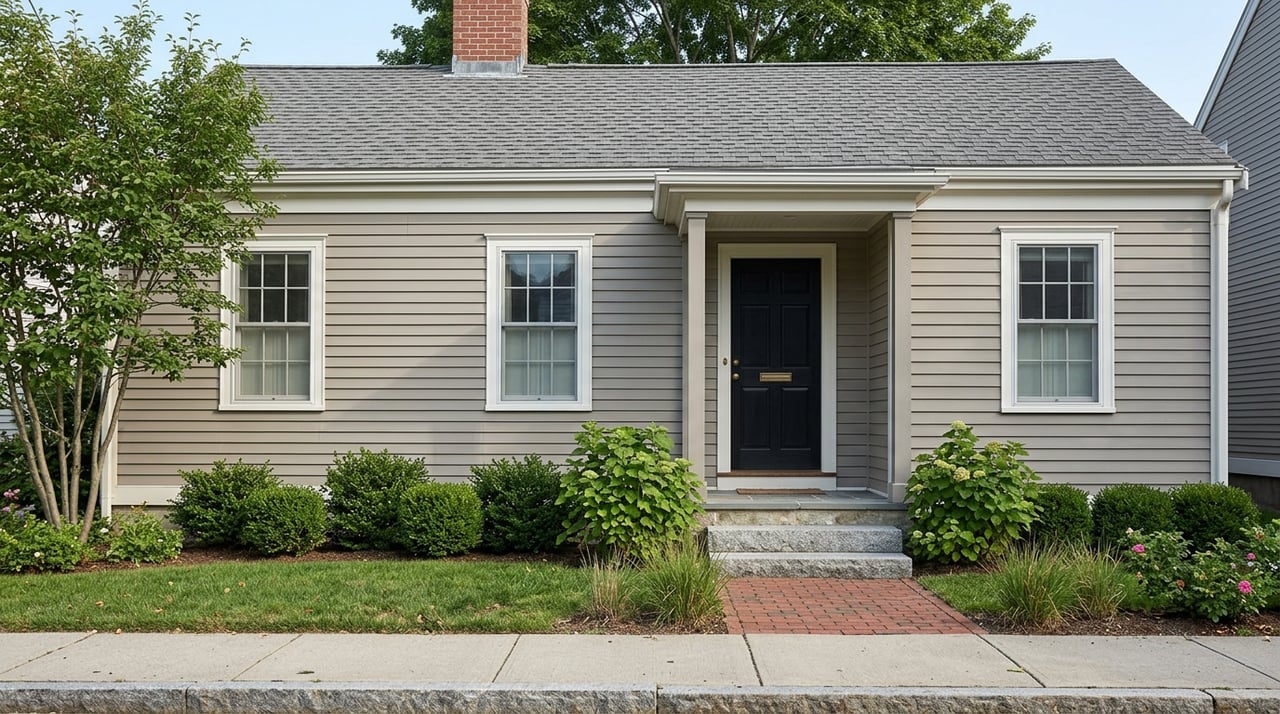
If you want a home with period detail and provenance, South Salem offers older housing stock with real architectural range. If you prefer something simpler to maintain, a smaller mid-century or later single-family home may fit your priorities better.
If you are moving up from a condo or rental, you may value a yard, extra rooms, or more separation from neighbors. If you are downsizing from a larger property elsewhere, you might focus on manageable upkeep, a practical layout, and proximity to parks, transit, or daily services.
Think beyond the mortgage payment
A single-family purchase usually comes with more cost categories than first-time buyers expect. Your total monthly housing cost may include property taxes, homeowners insurance, mortgage insurance if applicable, utilities, and ongoing maintenance.
That maintenance piece matters in South Salem, especially with older homes. Salem housing materials note that older properties can involve stairs, lead paint, maintenance issues, and outdated heating or electrical systems.
Those factors do not make an older home a poor choice. They simply mean you should budget with realism and evaluate whether you want a house that is move-in ready, lightly updated, or ready for a deeper stewardship-minded approach.
Older homes need a closer look
South Salem's architectural variety is one of its biggest strengths, but it also calls for more careful due diligence. An older home may offer craftsmanship and character that are hard to replicate, yet the practical details deserve equal attention.
Before you fall in love with the charm, look closely at the systems and exterior condition. Roof age, heating setup, electrical service, window condition, drainage, and foundation performance can all shape your ownership experience.
This is also where local context matters. Because Salem has a large historic-resource inventory and the Historical Commission reviews work in the city's local historic districts, buyers should confirm whether a home is inventoried or subject to preservation review before planning exterior changes.
For buyers who appreciate older New England houses, this is not a reason to walk away. It is a reason to buy with a clear understanding of the home's stewardship needs and possibilities.
Compare single-family homes and condos carefully
Some buyers start their South Salem search deciding between a single-family home and a condo. That comparison is worth making carefully, especially in Salem's local housing context.
With a condo, association dues are generally separate from the mortgage, and the association typically handles shared expenses such as landscaping and maintenance of common structures. You still remain responsible for your own unit and your own coverage needs, and insurance can be more layered when there is a master policy involved.
With a single-family home, you usually gain more privacy and control, but you also take on the full responsibility for repairs and upkeep. That tradeoff often comes down to whether you want convenience or autonomy.
In Salem, condo supply has also been shaped by policy. The city enacted a Condominium Conversion Ordinance in 2025 and reported that nearly 500 rental units had been converted to condos since 2016, about 5 percent of occupied rental stock. That means some condos on the market may be converted housing in older buildings rather than purpose-built new construction.
Consider commuting and daily movement
Even if your home itself is the priority, your daily routine still matters. South Salem is shaped by several major roadways, including Canal Street, Jefferson Avenue, Lafayette Street, and Loring Avenue Route 1A.
If you are sensitive to traffic, noise, or street scale, the exact location of a home becomes especially important. A property that looks similar on paper may live very differently depending on how close it sits to one of these corridors.
Salem is served by the MBTA Newburyport/Rockport commuter rail line and bus routes 435, 450, 451, 455, and 456. The city also operates the Salem Skipper on-demand ride service across a citywide zone, which can help households that are trying to reduce car dependence.
South Salem may gain even more transit relevance over time. The proposed South Salem commuter rail stop is planned between Canal Street and Jefferson Avenue and is intended to serve Salem State University and Mass General Brigham Salem Hospital, with design and permitting work still advancing.
Watch the bigger market picture
Your home choice should fit both your lifestyle and your timing. Salem's 2025 Housing Roadmap report card said condo prices rose 36.8 percent between 2020 and 2025, while average rent rose 34.8 percent over the same period.
That does not tell you what to buy on its own, but it does highlight the importance of total carrying cost. If you are moving from renting into ownership, or stepping down from a more demanding property, monthly affordability and maintenance tolerance should stay front and center.
Salem also reports that its housing stock is split roughly evenly between owner-occupied and renter-occupied units, and that 70.7 percent of households are one- or two-person households. That helps explain why both compact single-family homes and condos remain relevant options in the city.
A smart checklist for buyers
Before you choose a single-family home in South Salem, focus on the details that will shape your actual ownership experience.
- Confirm the zoning district and what it means for lot size, setbacks, and overall feel.
- Compare the home's location to major roads, bus routes, and your regular commute patterns.
- Evaluate whether the house sits near conservation land, park amenities, or more built-up corridors.
- Budget for taxes, insurance, utilities, and maintenance, not just principal and interest.
- Review the age and condition of major systems, especially in older homes.
- Check whether the property may be subject to historic-resource inventory or preservation review for exterior changes.
- Decide honestly whether you want autonomy and stewardship or a lower-maintenance ownership model.
Choosing with confidence
South Salem can be a compelling place to buy a single-family home because it offers more nuance than many buyers expect. You will find architectural variety, meaningful access to parks and conservation land, and a range of block patterns that can support very different lifestyles.
The key is to choose with precision. When you understand the zoning, the street context, the maintenance profile, and the character of the house itself, you are much more likely to buy a home that fits not just your budget, but the way you want to live.
If you want a thoughtful, data-driven perspective on South Salem homes, including older properties with architectural character, Michael Selbst can help you evaluate the details that matter and move forward with confidence.
FAQs
What makes South Salem single-family homes different from other Salem options?
- South Salem offers a mix of housing styles, lot patterns, and street settings, so single-family homes can range from older character houses to later infill near major roads, parks, and conservation areas.
What should buyers know about zoning for single-family homes in South Salem?
- Buyers should confirm the zoning district because Salem's R1 and RC districts have very different minimum lot sizes, coverage limits, and spacing requirements, which can affect privacy, scale, and future plans.
What should buyers check before purchasing an older South Salem house?
- Buyers should review the condition of major systems, watch for issues common in older homes such as outdated heating or electrical systems, and confirm whether the property may be subject to historic-resource inventory or preservation review.
How do South Salem single-family homes compare with condos?
- Single-family homes usually offer more autonomy and responsibility for maintenance, while condos may offer more convenience through association-managed shared expenses but can include separate dues and more layered insurance considerations.
What transportation options matter when buying in South Salem?
- Buyers should consider access to major roads, existing MBTA rail and bus service, the citywide Salem Skipper service, and the long-term impact of the proposed South Salem commuter rail stop between Canal Street and Jefferson Avenue.
Why is Forest River Park important for South Salem homebuyers?
- Forest River Park adds meaningful outdoor amenities to the area, including beaches, picnic areas, a playground, a pool, a splash pad, and trail access, which can shape the lifestyle appeal of nearby single-family homes.