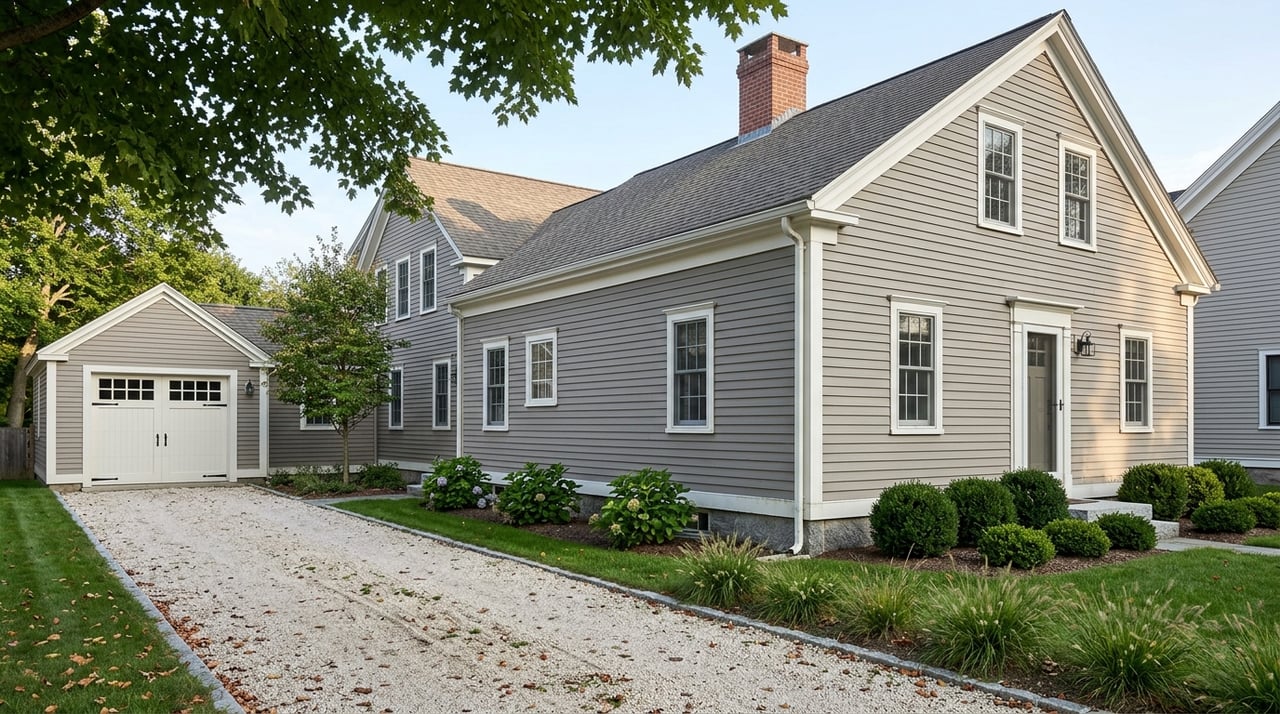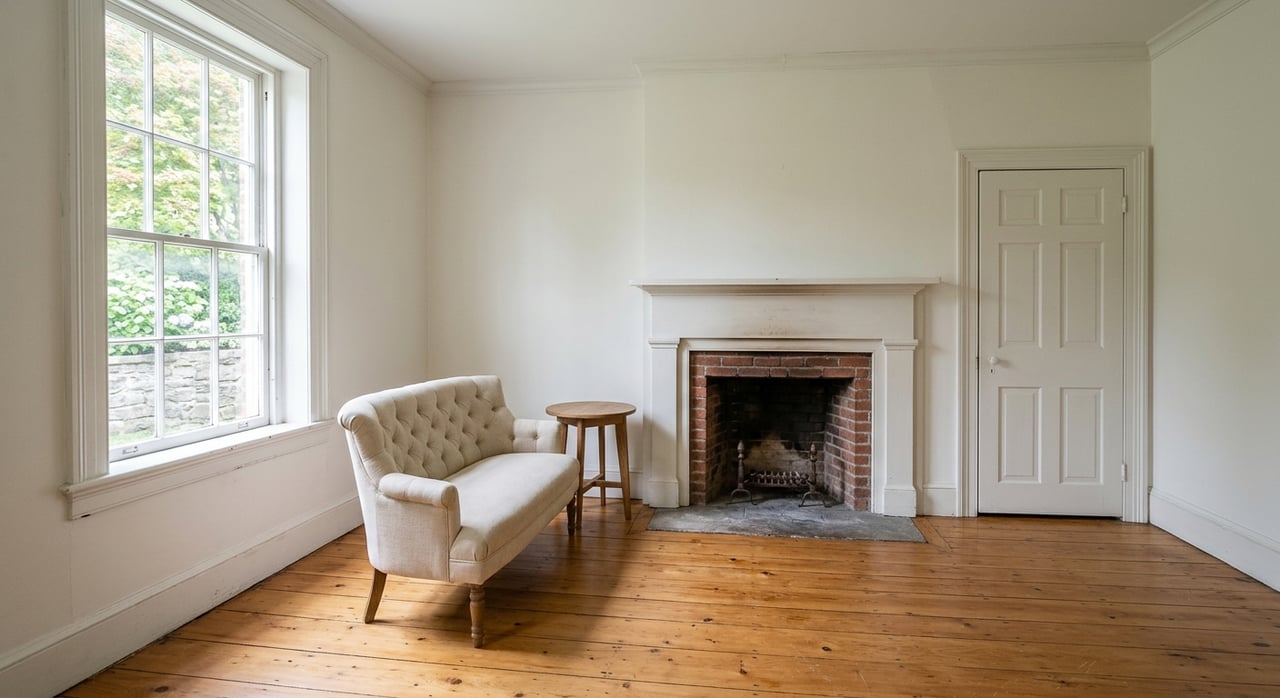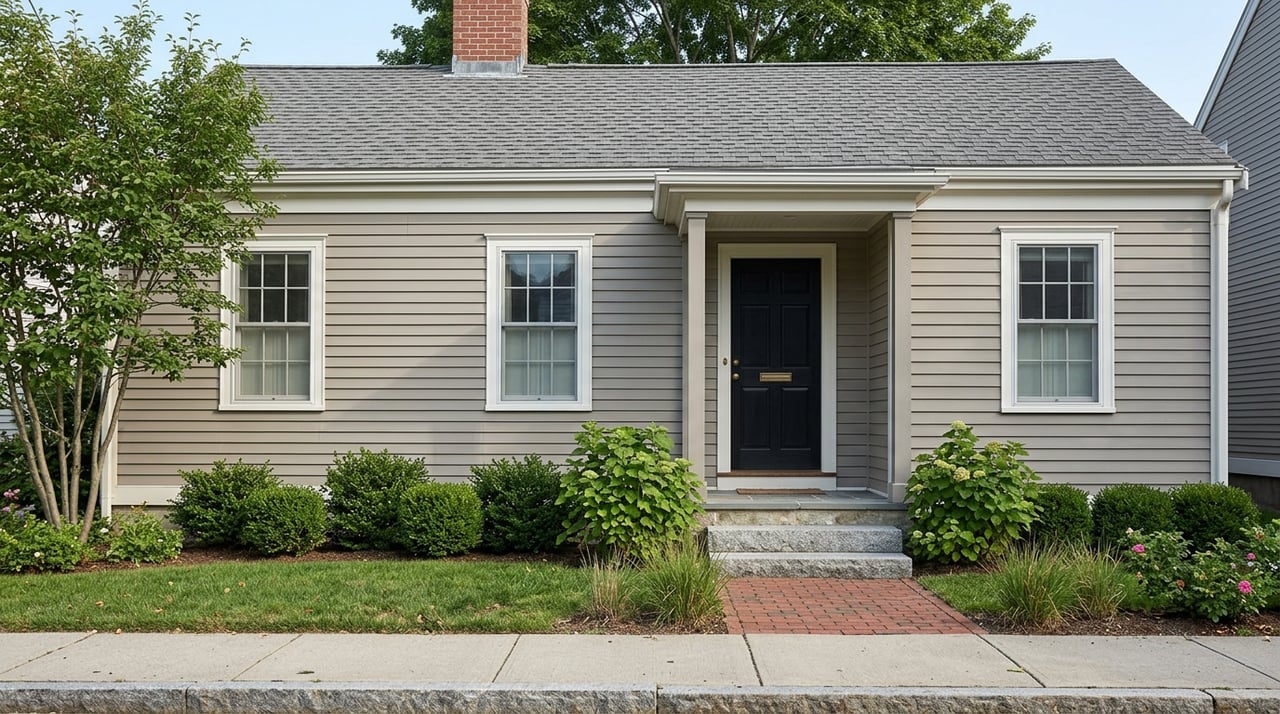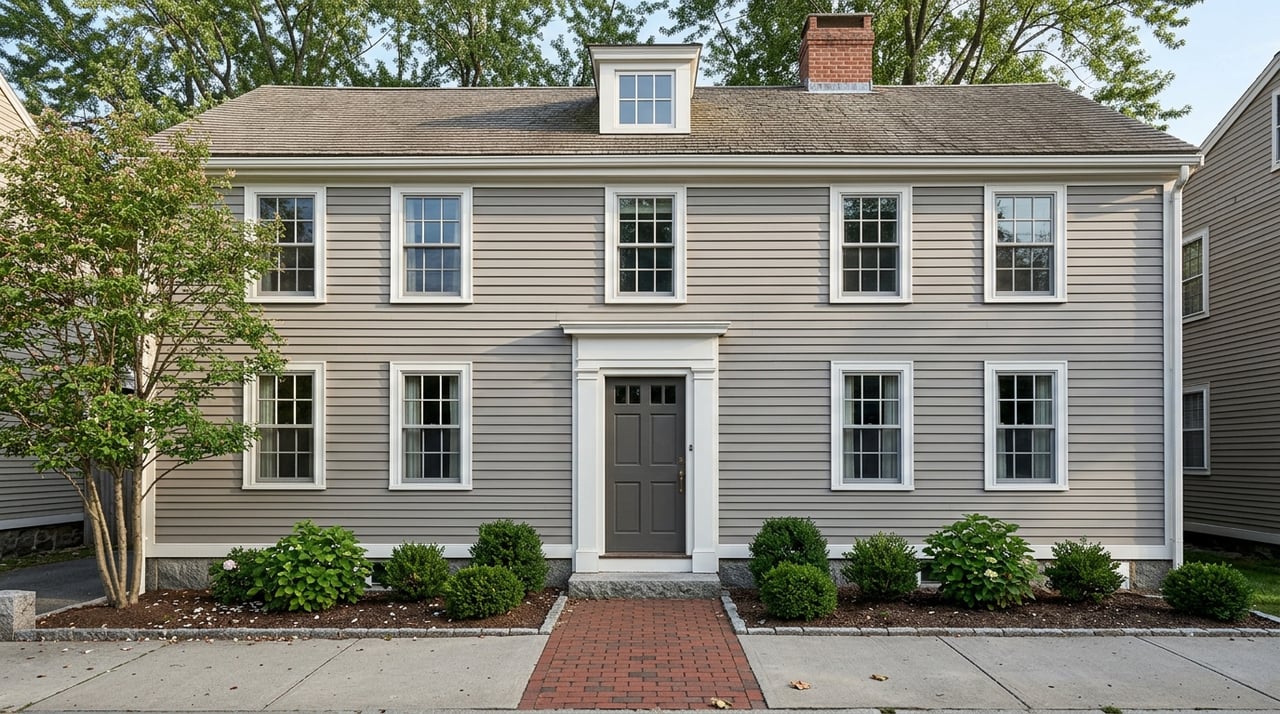
If you own a distinctive home in Salem, you already know it does not compete the same way as a standard listing. A restored antique, a well-appointed condo with architectural character, or a residence with unusual provenance asks for more than a quick price check and a few photos. To reach the right buyers and protect value, you need a strategy that blends pricing discipline, preservation fluency, and polished marketing. Let’s dive in.
Salem demands precise positioning
Salem is active, but the numbers tell a more nuanced story than any single headline can capture. Realtor.com reports a median listing price of $554,000 and a median 23 days on market, while the Massachusetts Association of Realtors shows year-to-date median sales prices of $695,000 for single-family homes and $499,500 for condos in April 2026. Inventory sits at about 1.2 months in both segments, which points to a market with limited supply.
Essex County data from Redfin adds another layer, with a median sale price of $713,859, a 102.2% sale-to-list ratio, and 59.4% of homes selling above list. These metrics are not interchangeable, but together they suggest a competitive environment where pricing still needs to be exact. For a distinctive Salem property, the goal is not to chase one broad market number. It is to interpret comparable sales, market momentum, and the home’s individual features with care.
Why one metric is not enough
Historic homes, architecturally notable residences, and carefully upgraded properties often defy simple price-per-square-foot logic. Realtor.com’s Salem market guidance notes that pricing should be based on comparable sales, market trends, and property features. That matters even more when your home’s rarity, condition, restoration quality, or setting make it different from the average listing.
If your property has original details, documented restoration work, or a location within one of Salem’s notable historic areas, those details can influence buyer perception and pricing power. But they need to be presented clearly and supported by market evidence. Distinctive homes earn attention when the value story is both emotional and defensible.
Historic context can add value
Salem’s identity is tied to history, architecture, and maritime legacy. Salem Maritime National Historical Park was the first National Historic Site in the United States and includes nine acres, 12 historic structures, and more than 600 years of maritime history and global stories. For sellers, that broader context matters because buyers often respond to place as much as property.
A home with age, craftsmanship, or provenance should be marketed as part of Salem’s larger story, not isolated from it. That does not mean overstating significance. It means presenting the home honestly, with enough context to help local and out-of-market buyers understand why it stands apart.
Preservation details buyers want to know
In Salem, exterior work on homes in local historic districts may involve municipal review. The Salem Historical Commission reviews work in the city’s four local historic districts and demolition-delay applications. Applications for Certificates of Appropriateness or Hardship are due 16 days before meetings, and the city’s guidelines state that changes to exterior features visible from a public way require a Certificate of Appropriateness before a building permit is issued.
Work that is ordinary maintenance, or not visible from a public way, may require a Certificate of Non-Applicability. For a seller, this makes preparation especially important. Buyers may want clarity around what has been approved, what work has been completed, and how visible exterior changes were handled.
McIntire is Salem’s largest local historic district and includes Federal, Essex, Chestnut, Warren, and Broad Streets plus adjoining cross streets. Derby Street is the most mixed-use of the four districts. If your property is in one of these areas, organized documentation can strengthen confidence during the marketing and due diligence process.
Strong prep creates a stronger launch
Distinctive homes usually perform best when the first day on market feels complete and intentional. According to the National Association of Realtors staging report, agents most often recommend decluttering, cleaning, and improving curb appeal before listing. NAR’s consumer guidance also advises sellers to stow personal items and sensitive documents before showings.
That advice is simple, but it matters. In a home with architectural character, buyers notice trim lines, light, sightlines, hardware, windows, and materials very quickly. Clean presentation helps those features speak for themselves.
What to gather before listing
For many Salem sellers, the smartest pre-listing work is not cosmetic alone. It is organizational. A well-prepared file can support pricing, improve marketing, and answer buyer questions faster.
Consider gathering:
- Restoration photos
- Permit history
- Prior approvals from the Salem Historical Commission, if applicable
- Floor plans
- A concise property history
- A clear summary of recent improvements
- Notes on materials, craftsmanship, or preserved original features
This kind of preparation helps your home feel credible, not just charming. It also supports more detailed marketing, which buyers increasingly value.
Digital presentation shapes demand
Buyers begin online, and distinctive homes have to win attention there first. NAR’s 2024 Profile of Home Buyers and Sellers found that 43% of buyers started their search online and 86% used an agent. Buyers spent a median of 10 weeks searching, typically viewed seven homes, and viewed two of those online only.
The same report shows what buyers find useful in a listing package. Forty-one percent said photos were very useful, 39% valued detailed property information, 31% appreciated floor plans, 21% found videos very useful, and 43% found virtual tours very useful. For a Salem home with unique architecture or layout, those assets are not extras. They are part of the core strategy.
What premium listing media should do
Professional media should do more than document rooms. It should explain flow, scale, materials, and setting. That is especially true for homes where craftsmanship, restoration quality, or unusual layouts need interpretation.
NAR’s staging report found that buyers’ agents said photos were highly important in 73% of listings, videos in 48%, and virtual tours in 43%. Sellers’ agents said photos were important in 88% of listings and videos in 47%. In practical terms, a premium listing package should help a buyer understand not only what the home looks like, but why it matters.
For Salem homes, that often means combining:
- Professional photography that captures both curb appeal and architectural detail
- Video that gives a sense of movement and atmosphere
- Virtual tours for out-of-area buyers
- Floor plans that clarify layout
- Detailed written information that explains provenance, updates, and notable features
Local and global buyers search differently
A distinctive Salem home may appeal to buyers from nearby communities, Greater Boston, other parts of the country, and overseas. That broader pool matters because international demand remains meaningful. NAR’s 2025 international transactions report says foreign buyers purchased 78,100 U.S. properties from April 2024 through March 2025, totaling $56 billion in volume.
The same report puts the median foreign-buyer purchase price at $494,400 and notes that 47% of those purchases were all cash. Foreign buyers were also more likely to purchase at the upper end of the market. For a well-positioned Salem property, that means the audience may be larger than local open house traffic alone suggests.
Why global distribution matters
When a home is truly distinctive, broader exposure can be an advantage. Sotheby’s International Realty reports a network of more than 1,100 offices across 86 countries and territories with nearly 26,000 sales associates. The brand also describes its network as designed to connect top independent firms with prestigious clients worldwide.
For sellers in Salem, that kind of reach can support visibility well beyond the immediate market. It does not replace local knowledge or pricing discipline. It works best when combined with accurate positioning, polished media, and a clear narrative that helps out-of-market buyers understand both the home and its setting.
The right story supports the right price
Sellers often ask whether marketing can really influence results in a competitive market. The answer is yes, but only when the story matches the asset. NAR found that sellers prioritized marketing the home, pricing competitively, and selling within a desired timeframe, while 90% sold with agent assistance.
That speaks to an important point. For a distinctive Salem home, the job is not simply entering a listing into the MLS. The job is building a persuasive case for value through data, presentation, and context.
What buyers need to believe
To pay a premium, buyers usually need confidence in a few key areas:
- The asking price reflects real market evidence
- The home offers features that are hard to replicate
- The condition and improvement history are understandable
- The layout and details are easy to evaluate online
- The property’s Salem context adds meaning, not confusion
When those pieces align, a home can attract serious attention from both local and global buyers. In a market with low inventory and strong competition, that alignment can help a property stand out for the right reasons.
What distinctive Salem sellers should expect
If your home is unusual, historic, or especially well-finished, you should expect a more tailored process. Pricing should be disciplined, not generic. Marketing should be polished, not basic. And the listing strategy should reflect how buyers actually search, compare, and make decisions.
In Salem, that often means balancing preservation awareness with modern presentation. It means respecting the home’s history while making it legible to today’s buyer. Most of all, it means treating the property as a one-of-one opportunity that deserves thoughtful positioning from the start.
If you are considering a sale, a consultative approach can help you understand where your home fits in the current Salem market, what documentation to organize, and how to present it to both nearby and far-reaching buyers. To discuss a strategy tailored to your property, schedule a consultation with Michael Selbst.
FAQs
How should you price a distinctive home in Salem, MA?
- You should price it using comparable sales, current market trends, and the property’s specific features rather than relying on one headline metric alone.
What historic district rules matter when selling a Salem home?
- If your home is in one of Salem’s local historic districts, exterior changes visible from a public way may require prior approval from the Salem Historical Commission.
What marketing materials help sell a unique Salem property?
- Professional photography, video, virtual tours, floor plans, and detailed property information can all help buyers understand the home’s value and character.
Why do global buyers matter for Salem luxury and historic homes?
- Distinctive homes can attract out-of-market and international buyers, especially when they are presented with strong visuals, clear information, and broad distribution.
What documents should Salem sellers gather before listing?
- Helpful materials can include restoration photos, permit history, prior approvals, floor plans, improvement records, and a concise summary of the home’s notable features and history.