Wondering whether a historic home in Salem is a dream purchase or a renovation surprise waiting to happen? That is a fair question, especially in a city where centuries of architecture are part of daily life and where preservation rules can shape what you do next. If you are hoping to buy an antique or vintage property with confidence, it helps to know what makes Salem’s housing stock unique, what to verify before closing, and where older homes need the closest scrutiny. Let’s dive in.
Salem’s historic homes stand apart
Salem’s historic character is not just a backdrop. It is part of the housing stock itself. City guidance describes downtown Salem as containing buildings from the seventeenth through nineteenth centuries, and the city’s preservation efforts are designed to protect the architectural qualities that make Salem distinctive and attractive.
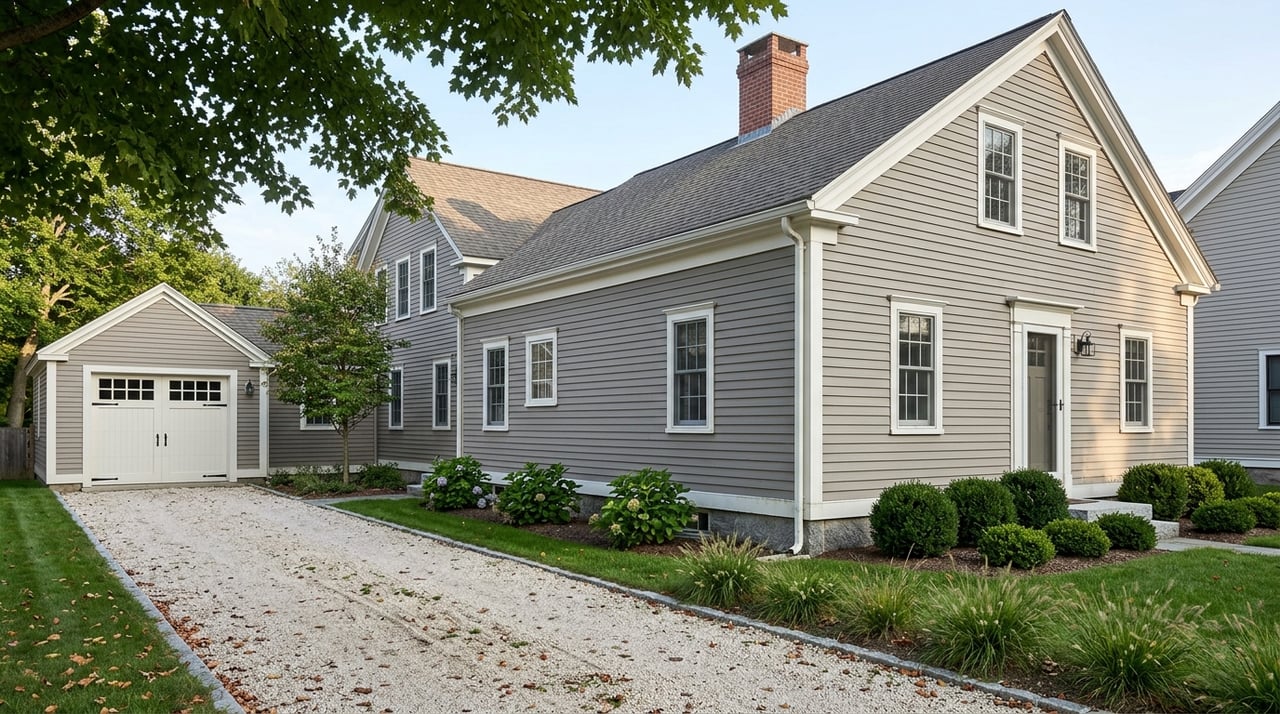
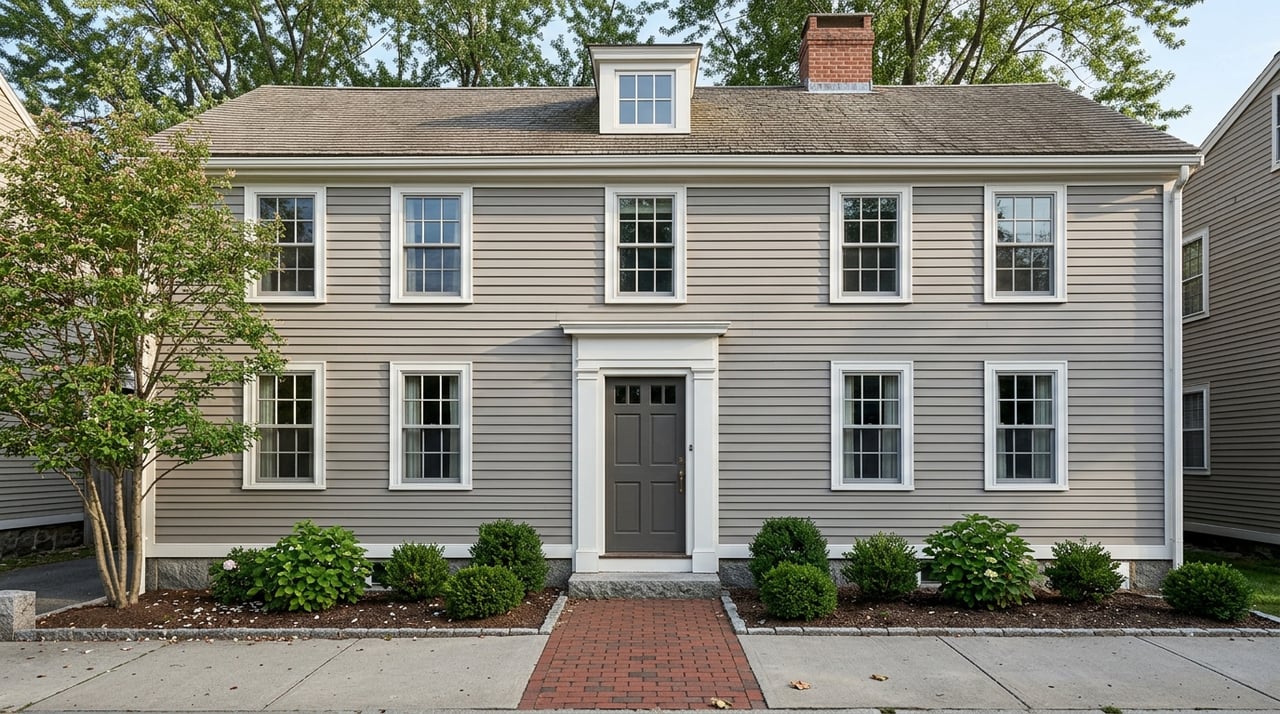
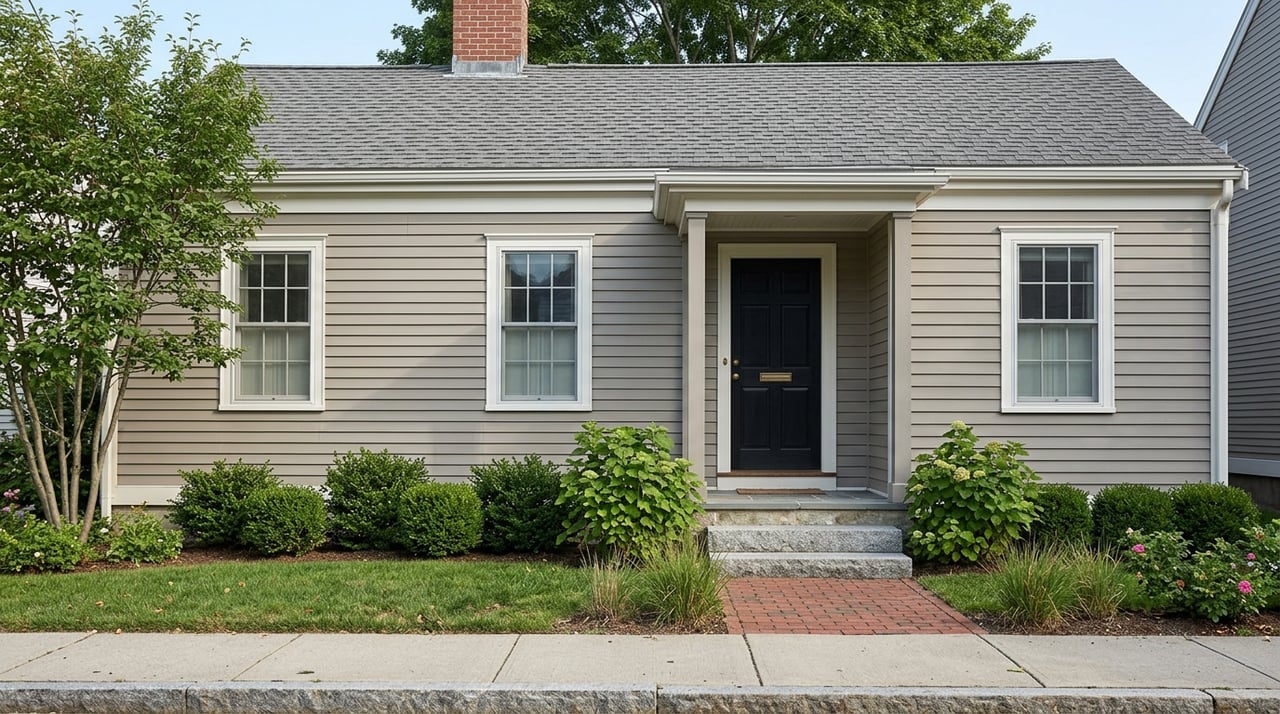
For you as a buyer, that means the term historic home can cover a wide range of property types. Salem’s own guidance references Georgian, Federal, Greek Revival, Victorian, Queen Anne, and Colonial Revival traditions, along with earlier timber-framed homes and later revival-style properties. You may be comparing very different construction methods, materials, and maintenance needs, even when two homes are only blocks apart.
Salem historic districts to know
Salem has four local historic districts: McIntire, Lafayette Street, Washington Square, and Derby Street. These districts are mostly residential, although Derby Street also includes a meaningful amount of retail and commercial use. If a home sits within one of these districts, exterior work may involve an added layer of review.
That review matters because location can affect both your renovation plans and your timeline. Salem also notes that some downtown properties are in Urban Renewal Areas, where exterior rehabilitation and sign installation may be subject to separate review. Before you buy, it is worth confirming exactly where the property falls on the city’s map.
Why district status matters
In Salem’s local historic districts, any change to exterior architectural features visible from a public way generally requires a Certificate of Appropriateness before a building permit is issued. If the work is ordinary maintenance that does not change color, material, design, or outward appearance, or if it is not visible from a public way, a Certificate of Non-Applicability is typically required instead.
In practical terms, this can affect projects that many buyers assume are straightforward. Window replacement, exterior siding changes, roofing details, doors, trim, and other visible exterior features may all need to be reviewed depending on the scope of work. If you are buying with renovation plans in mind, this is something to clarify early rather than after closing.
What to confirm before you close
A historic home purchase should involve more than a standard showing and a quick budget estimate. In Salem, a little extra due diligence upfront can save you time, money, and frustration later.
Here are a few smart questions to ask before you finalize the purchase:
- Is the property in one of Salem’s four local historic districts?
- Is it also located in an Urban Renewal Area?
- Which exterior features are original, and which are later replacements?
- Do prior exterior changes have the needed city approvals?
- Will your planned changes be visible from a public way?
- Has the seller documented past issues involving moisture, masonry, roofing, or drainage?
The Salem Historical Commission reviews work in the city’s four local historic districts and also reviews demolition-delay waiver requests. The city advises applicants to consult the design guidelines before filing, which is a good clue that buyers should understand the review framework before they commit to major exterior work.
Older-home inspections need a wider lens
A standard Massachusetts home inspection is helpful, but it has limits. The state says a standard inspection is visual and limited in scope and depth. It is not a code inspection and not a guarantee.
Typically, the inspector reviews the roof, attic, walls, ceilings, floors, windows, doors, basement, foundation, heating and cooling systems, plumbing, and electrical systems. That is a solid starting point, but with an older Salem home, you may need more than the baseline.
Specialized inspections worth considering
Massachusetts recommends considering specialized inspections or tests for:
- Lead paint
- Water quality
- Wood-destroying insects
- Radon
- Mold
- Allergens
For a historic home, these add-ons can be especially important. Older materials, long ownership histories, and layered renovations can hide issues that a standard inspection may not fully capture.
Moisture is often the biggest warning sign
If there is one issue to take seriously in an older house, it is moisture. The National Park Service says uncontrolled moisture is the most prevalent cause of deterioration in older and historic buildings.
That makes water management a major part of your due diligence. Pay close attention to roof drainage, gutters, basement seepage, staining, musty areas, and signs of previous patching or repeated repair. In many older homes, visible cosmetic updates matter less than whether water has been consistently kept out of the structure.
Where moisture tends to show up
When you tour or inspect a historic home, look closely at:
- Basement walls and floors for seepage or staining
- Gutters and downspouts for poor drainage paths
- Rooflines for signs of wear or deferred maintenance
- Window trim and sills for rot or repeated patching
- Masonry joints for cracking or deterioration
Moisture problems are not always dramatic. Sometimes the clues are subtle, which is why careful observation and the right specialists can make such a difference.
Masonry, windows, and insulation deserve careful decisions
Older brick and stone homes need close attention. National Park Service guidance notes that cracked masonry, incompatible mortar, and trapped moisture can accelerate deterioration rather than solve it. A repair that looks fresh on the surface is not always a repair that protects the building long term.
Windows are another major decision point. According to National Park Service guidance, historic windows can often be repaired and improved with storm windows, and replacing repairable historic windows is usually not the best first choice. If you love the original character of a Salem home, that repair-first approach often aligns with both preservation goals and practical performance.
Insulation should also be approached thoughtfully. The same guidance cautions that adding insulation in wall cavities can trap moisture, while attic and basement insulation are usually safer starting points. If comfort and energy performance are part of your plan, the smartest upgrades are not always the most aggressive ones.
Lead and asbestos should be part of your planning
In Massachusetts, lead matters in pre-1978 homes. The state notes that homes built before 1978 may contain lead-based paint, and the Massachusetts Lead Law requires lead to be removed or controlled in homes where children under 6 live. Massachusetts also says buyers of homes built before 1978 should receive a lead notification package.
If you plan to renovate, lead-safe renovation rules may apply when enough painted surface is disturbed in pre-1978 residences. This is important to understand before you start pricing a project or scheduling contractors.
Asbestos can also be a factor in older homes. Federal guidance from EPA and CPSC explains that older homes may contain asbestos in insulation and other building products, and that damaged materials or planned disturbance should be handled by trained professionals. For buyers, the takeaway is simple: age-related materials should be identified before renovation begins, not during demolition.
Buying with a preservation mindset
Historic-home ownership usually works best when you think like a steward, not just a shopper. National Park Service preservation standards emphasize keeping a building’s existing form, features, and materials and using the gentlest means possible. In many cases, repair-first thinking is the better long-term path.
That does not mean a historic home cannot be comfortable or updated. It means the best improvements often start with air sealing, weatherization, storm windows where appropriate, and insulation in lower-risk areas before altering historic wall assemblies or replacing original features that may still have life left in them.
Character and long-term value
Salem’s design guidance says preservation of historic and architectural character helps keep the city distinctive and attractive. While that is not a promise of resale premium, it does reinforce an important point: the features that make a historic Salem home special are often the same features that support its lasting appeal.
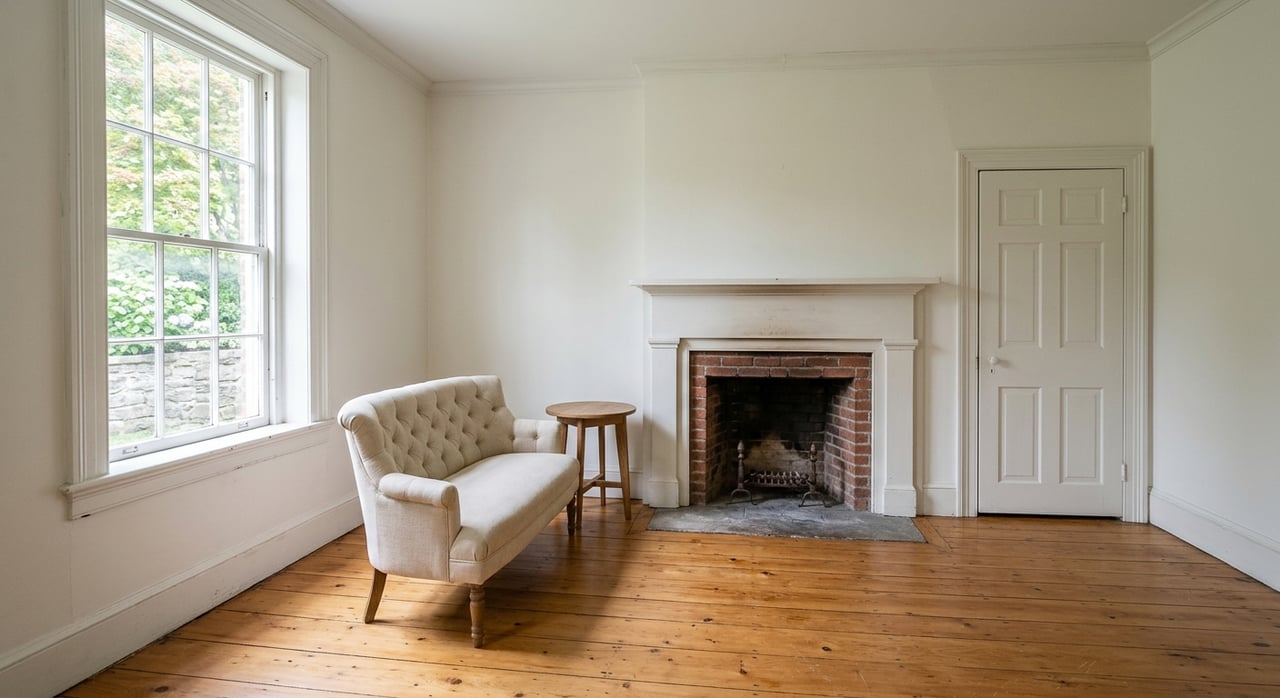
Original windows, old-growth woodwork, masonry details, traditional proportions, and period materials are not just aesthetic extras. In many cases, they are part of the property’s identity and should be considered carefully in both your budget and your renovation priorities.
Budget for ownership, not just the purchase
A historic home is best treated as a maintenance plan as much as a purchase. Even a well-cared-for property can require ongoing work over time on the roof, masonry, paint, windows, and core building systems.
That is why buying with confidence means reserving funds for future upkeep, not just immediate fixes. A realistic budget helps you protect the home’s character, respond to issues before they grow, and make improvements in a way that respects the building.
For many buyers in Salem, confidence comes from pairing enthusiasm with discipline. The charm is real, but so is the value of careful due diligence, a realistic timeline, and a repair strategy that fits both the property and the city’s preservation framework.
If you are considering a historic home in Salem, working with someone who understands both architecture and process can make the experience much clearer. For tailored guidance on evaluating antique and period homes on the North Shore, connect with Michael Selbst.
FAQs
What makes a home historic in Salem?
- In Salem, historic homes can include properties from the seventeenth through nineteenth centuries as well as later revival-style homes, with architectural traditions such as Georgian, Federal, Greek Revival, Victorian, Queen Anne, and Colonial Revival referenced in city guidance.
What are Salem’s local historic districts?
- Salem has four local historic districts: McIntire, Lafayette Street, Washington Square, and Derby Street.
What approvals might a Salem historic home need for exterior work?
- In a local historic district, changes to exterior architectural features visible from a public way generally require a Certificate of Appropriateness before a building permit is issued, while some ordinary maintenance or non-visible work may require a Certificate of Non-Applicability instead.
What should you inspect closely in an older Salem house?
- You should pay close attention to moisture-related issues, roof drainage, gutters, basement seepage, masonry condition, windows, building systems, and any need for specialized testing such as lead paint, radon, mold, or wood-destroying insects.
What should buyers know about lead in Salem historic homes?
- Massachusetts says homes built before 1978 may contain lead-based paint, buyers of those homes should receive a lead notification package, and lead must be removed or controlled in homes where children under 6 live.
Is replacing old windows always the best option in a Salem historic home?
- No. National Park Service guidance says historic windows can often be repaired and improved with storm windows, and replacing repairable historic windows is usually not the best first step.