If you are looking at small multifamily property in North Salem, it is easy to see the charm first and the risk second. That is exactly why careful evaluation matters here. North Salem sits inside a tight Salem housing market with older building stock, strong renter demand, and parcel-by-parcel factors that can change an investment quickly. This guide will help you assess what makes a small multifamily opportunity promising, what deserves extra scrutiny, and where disciplined due diligence can protect your upside. Let’s dive in.
Why North Salem Stands Out
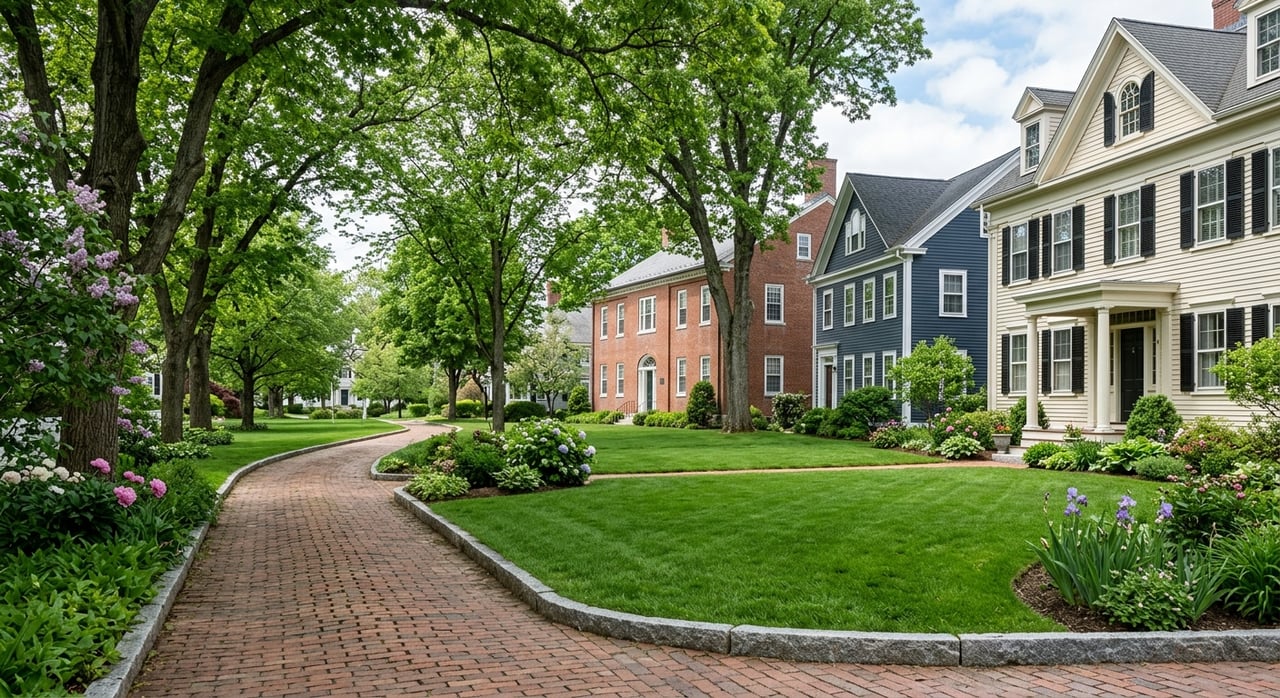
North Salem deserves a closer look because it reflects the layered history of Salem’s housing stock. City preservation work in the Mack Park area documented more than 100 properties and highlighted a neighborhood shaped by changing land use, industrial history, and rebuilding after the 1914 fire. For you as a buyer, that usually means older homes with character, varied layouts, and more complexity than a newer, uniform asset.
The broader Salem market also supports interest in small multifamily property. According to the city’s 2026 Consolidated Plan, Salem had 21,086 housing units in 2022, with historically low vacancy at 0.7% for homeowner units and 1.7% for rental units. In simple terms, limited supply can support demand for well-located and well-maintained rental units.
Transit is part of the story too. Salem is served by the MBTA Newburyport/Rockport commuter rail line and several bus routes, and the city notes that Salem Station offers access to downtown and North Salem. Planned improvements connecting downtown and North Salem may further support convenience and long-term appeal.
Salem Favors Small Multifamily
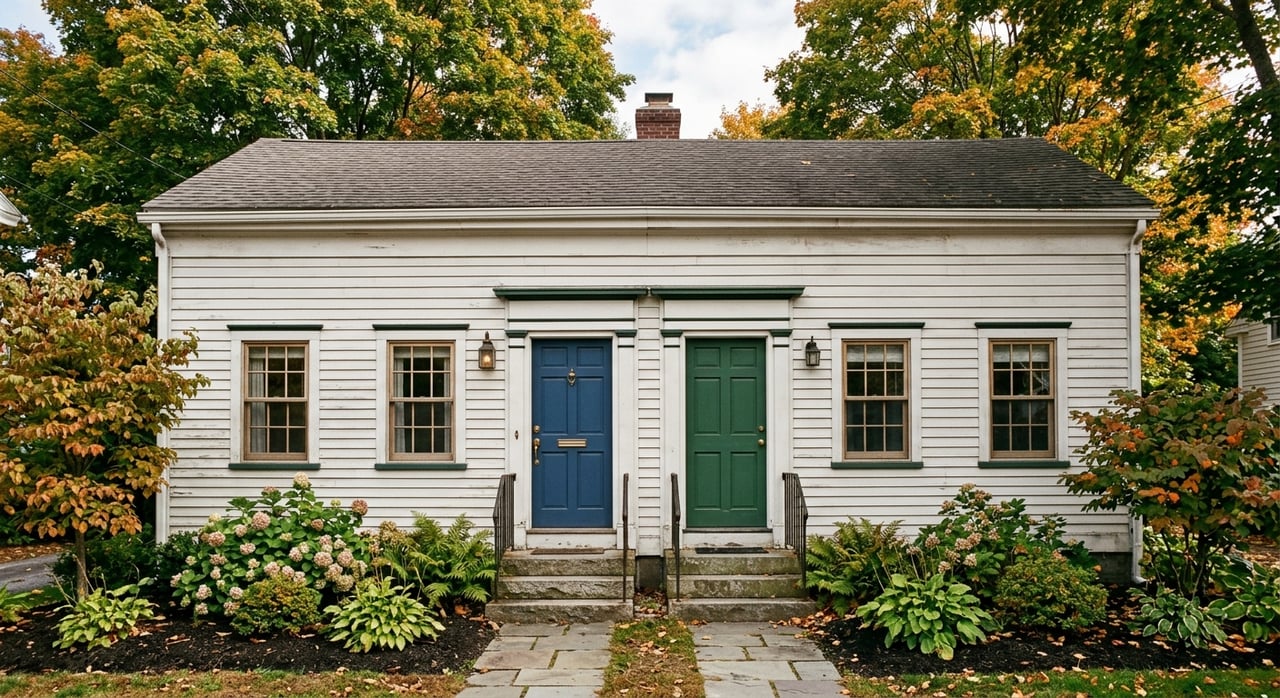
If your strategy centers on duplexes, triple-deckers, or small apartment buildings, Salem is already a market where that product type matters. The city’s Housing Road Map reports that 45% of housing units are in structures with 2 to 9 units, while another 18% are in buildings with 10 or more units. Small multifamily is not an outlier here. It is a core part of the housing landscape.
That matters because market familiarity can help support rental demand and future resale interest. Buyers and renters in Salem are already accustomed to living in multifamily housing. In North Salem, that often translates into opportunities where an older property can be repositioned through smart upgrades and strong operations.
What the Housing Stock Tells You
Age is one of the first things to understand before you make an offer. Salem reports that about half of its homes were built before 1939, and more than 80% were built before 1979. Only about 9% of housing units were built since 2000.
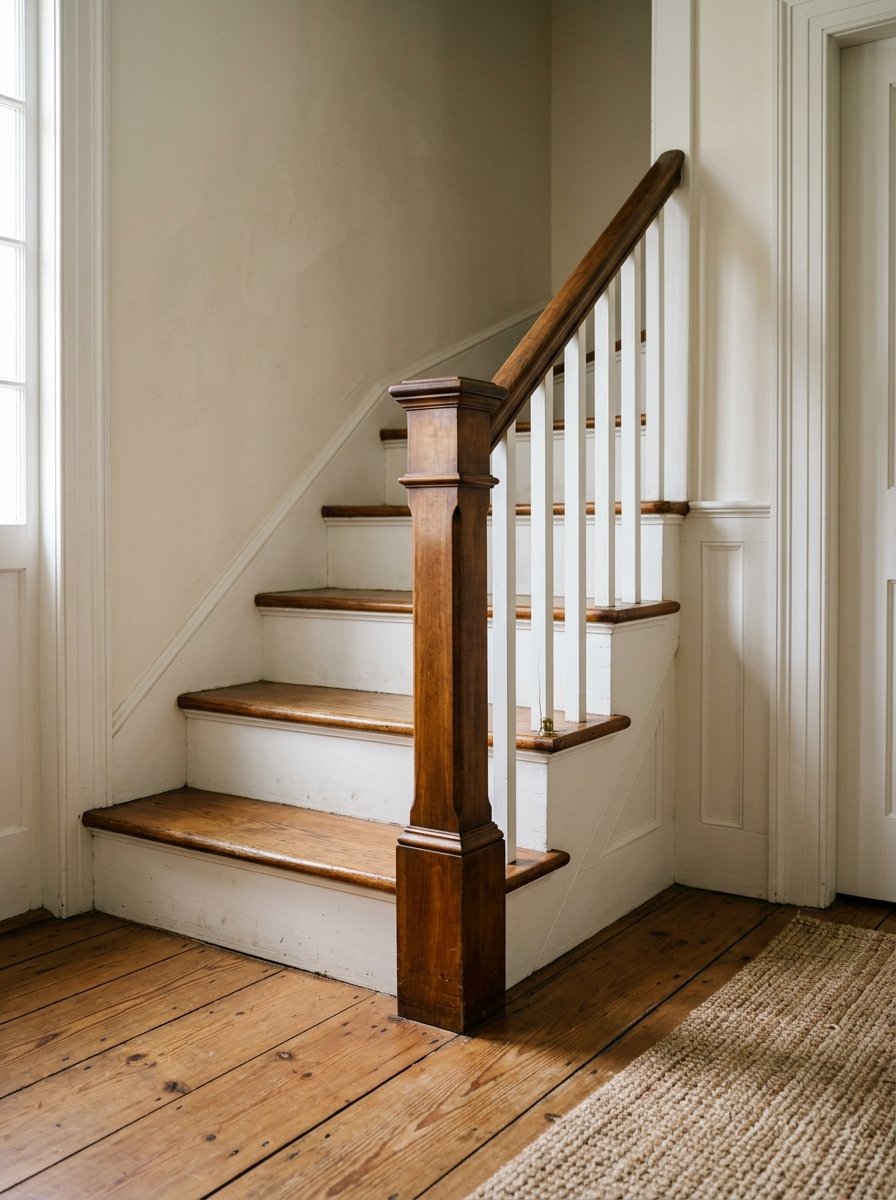
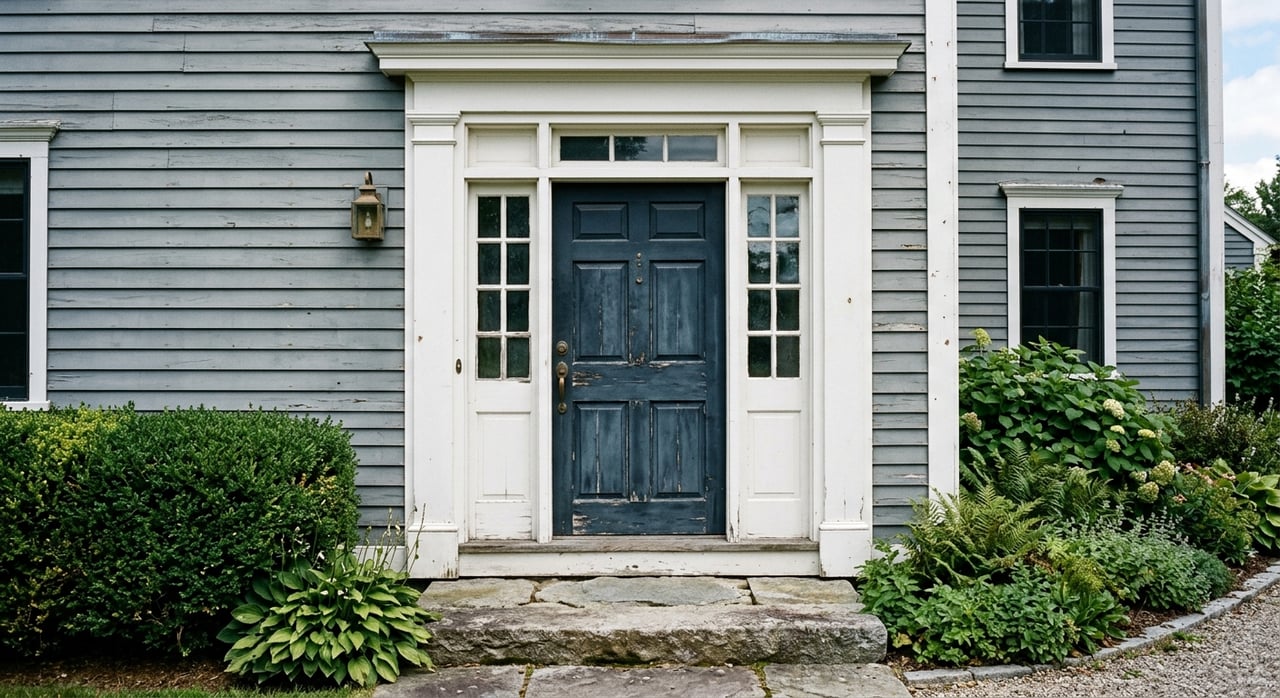
Older stock can be an advantage if you know how to evaluate it correctly. Many properties in and around North Salem are likely to be wood-frame buildings tied to worker-housing eras or late-19th- and early-20th-century development. These buildings may offer solid layouts and appealing architectural details, but they also may come with outdated systems, deferred maintenance, lead concerns, and code issues.
This is one reason cosmetic updates alone may not tell the full story. A fresh kitchen or newer flooring can look appealing, but your real underwriting should focus on systems, structure, compliance, insulation, and any hidden capital needs.
Rental Demand Looks Durable
North Salem benefits from Salem’s large renter base. The city reports that 49.3% of occupied units are renter-occupied, and renter households increased 18.9% between 2010 and 2022. That is a meaningful signal that rental housing remains an important part of the local market.
There is also a strong unit-size story worth paying attention to. Salem says 70.7% of households are one- or two-person households, while studio and one-bedroom units make up only 24% of the housing supply. At the same time, roughly two-thirds of the housing stock consists of two- and three-bedroom units.
For you, that suggests two useful takeaways:
- Smaller, efficient units may fill a real need
- Well-designed 2- and 3-bedroom apartments can still perform well because they remain a large and familiar part of the local stock
The best setup often depends on the building you are buying. In many North Salem properties, the smarter move is not forcing a dramatic reconfiguration. It is improving the usability, finish level, and compliance of the existing layout.
Pricing Supports Opportunity, But Discipline Matters
Rental pricing has moved up sharply in Salem. The city reports that average rent for all homes increased from $1,615 in January 2017 to $2,565 in July 2024, a 59% jump. Nearly 70% of the rental market now charges more than $2,000 per month.
That can support income potential, but it should not lead you to stretch on acquisition price. Salem also reports that multifamily sale prices rose from $315,000 in July 2012 to $768,000 in July 2024, a 144% increase. Homes have remained competitive, receiving about five offers, going pending in about 13 days, and selling in about 22 days.
The lesson is simple. North Salem may offer real upside, but much of the easy appreciation has already been recognized by the market. A strong deal today usually depends on buying the right building, at the right basis, with a realistic renovation and operating plan.
What to Look For in a Strong Candidate
In North Salem, the most compelling small multifamily opportunities are often older properties that are fundamentally sound but operationally dated. You are usually looking for a building where the path to improvement is clear and measurable.
A promising candidate often has:
- Structurally sound construction
- Efficient 2- or 3-bedroom layouts
- Manageable parking and access
- Upgrade needs that are visible rather than hidden
- Room for better systems, cleaner finishes, and improved compliance
The city’s own housing analysis points to common issues in older multifamily properties, including outdated mechanical systems, accessibility limitations, lead paint, and code-related concerns. That is why the most reliable value-add strategy is often modernization and compliance, not overbuilding or chasing a luxury finish level that the property may not support.
Due Diligence Starts Before Closing
In Salem, rental compliance is not something to sort out later. The city requires a Certificate of Fitness for every rented dwelling unit, updated every three years or after each change in tenancy. If you are buying an occupied multifamily property, you should review this early in the process.
This can affect timing, turnover planning, and immediate post-closing costs. It also gives you a clearer picture of whether the current operation has been kept up properly. A building that looks stable on paper can become much more expensive if compliance has been deferred.
Lead Risk Should Be Underwritten Early
Because Salem’s housing stock is older, lead risk should be treated as a core part of your evaluation. Under Massachusetts law, homes built before 1978 may contain lead, and owners, sellers, and real estate agents must notify buyers and tenants of lead risks when those homes are sold or rented. In rental properties where a child under 6 resides, lead hazards must be removed or controlled.
Salem’s 2026 Consolidated Plan says 76% of owner-occupied units and 79% of renter-occupied units were built before 1980. That makes lead diligence especially relevant in this market. For you, that means budgeting not just for testing or paperwork, but also for the possibility of timeline changes and remediation costs.
Check Historic and Zoning Status Parcel by Parcel
North Salem has older homes and documented historic character, but that does not mean every property faces the same rules. Salem’s Historical Commission reviews exterior changes in the city’s local historic districts, and the city notes those districts include about 550 structures. A property may or may not fall within one of those districts, so you should verify the specific parcel.
Zoning also needs a parcel-specific review. Salem’s Housing Road Map says R2 and R3 districts allow two-family dwellings by right, while R3 allows multifamily dwellings by right. The same report notes that multifamily is allowed by right on about 13% of Salem’s land area.
That means neighborhood pattern alone is not enough. Before you build your investment thesis, confirm the actual lot conditions, use history, setbacks, frontage, and what your intended plan requires.
Be Realistic About Exit Strategy
If your end goal is condo conversion, Salem’s local rules matter. The city now requires owners converting properties with two or more residential units into condos or a cooperative to provide tenants with two years’ notice and obtain both a Conditional Conversion Permit and a Final Conversion Permit. The application fee is $600 per unit.
That does not eliminate condo conversion as a strategy, but it does affect timing and feasibility. In many cases, a long-term hold or refinance after stabilization may offer a more predictable path. Your best option depends on the parcel, the tenant profile, your capital plan, and how the building competes with nearby supply.
It is also worth noting that Salem reported 892 additional units in the development pipeline from 2020 to 2024, including 368 affordable units. New supply does not erase demand, but it does mean you should think carefully about how your property stands out on location, layout, and condition.
Why Local Knowledge Matters in North Salem
In a neighborhood like North Salem, the details matter more than the label. Two properties a few blocks apart can present very different investment profiles based on age, systems, zoning, historic review, unit layout, and compliance status. That is especially true in a city where older housing stock carries both opportunity and responsibility.
This is where a local, preservation-aware, data-driven approach can make a real difference. If you can identify the buildings where the bones are strong, the rehab scope is knowable, and the operational path is clear, North Salem can offer compelling small multifamily opportunities. If you skip the details, the same market can punish optimistic assumptions.
When you are evaluating a small multifamily purchase in North Salem, the goal is not just to find something charming or under-improved. It is to find an asset where the numbers, the condition, and the local rules all support the same story. If you want help analyzing a specific property or pressure-testing your assumptions, Michael Selbst offers a highly tailored, local perspective grounded in Salem market knowledge and hands-on experience with older housing.
FAQs
What makes North Salem appealing for small multifamily buyers?
- North Salem offers older, layered housing stock within a tight Salem market that has historically low vacancy, a large renter base, and good transit access.
What types of small multifamily properties are common in Salem?
- Salem’s housing mix includes many structures with 2 to 9 units, so duplexes, triple-deckers, and other small multifamily buildings are a meaningful part of the local market.
What should buyers watch for in older North Salem multifamily buildings?
- Buyers should pay close attention to structure, mechanical systems, code issues, lead risk, insulation, layout efficiency, and any deferred maintenance that may not be obvious during a quick tour.
How important is rental demand in Salem for multifamily investing?
- Rental demand is significant because nearly half of Salem’s occupied units are renter-occupied, and renter households have increased notably in recent years.
What local Salem rules matter before buying a rental property?
- Salem requires a Certificate of Fitness for every rented dwelling unit, and buyers should also review parcel-specific zoning, historic district status, and any compliance history before closing.
How does Salem’s condo conversion ordinance affect small multifamily strategy?
- If you plan to convert a property with two or more residential units, Salem requires tenant notice, permits, and fees that can extend timelines and affect the overall exit plan.
Why is lead diligence so important for North Salem investment property?
- Because much of Salem’s housing stock was built before 1980, lead risk is common enough that it should be part of your early budget, timeline, and compliance review.