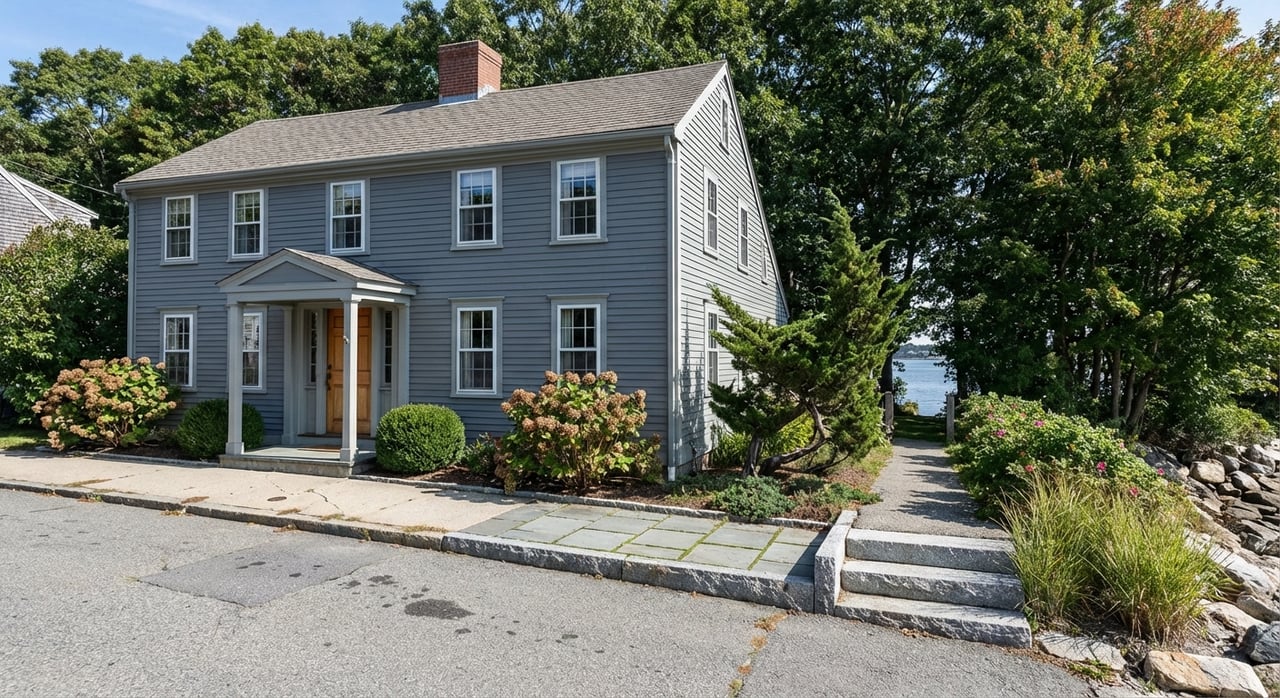
Ever wonder why one Swampscott home sells in a weekend while another sits for weeks? When you are buying or selling on the North Shore, Days on Market can feel like a signal you should act on, yet it is easy to misread without context. You want a clear, local explanation that helps you make confident, timely decisions. In this guide, you will learn what DOM really measures, how Swampscott’s coastal market affects it, and simple rules you can use to respond. Let’s dive in.
DOM basics for Swampscott
What Days on Market measures
Days on Market is the number of days a property is publicly listed before it goes under contract. Some organizations count to the contract date, while others count to the closing date. For reading market speed, the most useful view is days to contract, since closing timelines depend on financing and inspections. Keep this definition in mind when you compare properties.
Cumulative DOM and relisting
Some MLS systems track cumulative or total DOM across relists. Others display only the most recent continuous listing period. In practice, some sellers withdraw and relist, which can reset the public counter on portals. Ask your agent how DOM is recorded for Swampscott in the local MLS and whether a specific property has prior listing history.
DOM is one piece of the puzzle
You get the clearest picture when you pair DOM with related metrics. Helpful companions include the list-to-sale price ratio, months of inventory, price reduction frequency and size, showings per week, and number of offers. DOM tells you how fast homes move, but not why a specific home has not sold.
Why DOM varies in Swampscott
Coastal town dynamics and buyer pools
Swampscott is a small coastal town on Boston’s North Shore with MBTA commuter rail access. That mix attracts a range of buyers, including Boston commuters, local North Shore movers, and some seasonal or second-home buyers for coastal properties. Single-family homes make up much of the housing stock, with condos and some multifamily offerings. Different property types, locations, and price points often show distinct DOM patterns.
Small-market volatility and seasonality
Because the town is small, monthly and even quarterly medians can swing. A handful of fast or slow sales can move the number. Seasonality also matters. Listing and buyer activity tend to peak from spring to early summer and slow in late fall and winter. DOM usually runs lower in spring and higher in winter, so compare like periods when you evaluate trends.
What shortens or lengthens DOM
Listings often move faster when they are turnkey, priced competitively, and offer coastal views or convenient commuter access. Friction points that can extend DOM include smaller or aging homes needing significant renovation, limited parking, flood-zone considerations, and unusual title or legal issues. Always verify the reason for a long DOM before you draw conclusions.
Compare DOM by segment, not townwide
When you read DOM, compare a property to similar listings in the same price band, property type, and neighborhood. In Swampscott, it is useful to look at segmented medians over 30-, 90-, and 365-day windows. Examples that often help:
- Single-family: 0–$750k, $750k–$1.25M, $1.25M+
- Condominiums: studio/1BR, 2BR, 3BR+
- Coastal view and oceanfront as separate segments
As a general rule of thumb for interpreting DOM:
- 0–14 days: very hot segment with strong demand
- 15–45 days: active market with reasonable demand
- 46–90 days: balanced to slower pace
- 90+ days: slow market or potential condition/pricing issues
These are broad bands. Calibrate to Swampscott’s recent medians and seasonal norms before making a move.
How pricing and presentation change DOM
Preparation that removes objections
Well-maintained, move-in-ready homes tend to draw more showings and faster offers. Pre-list repairs, thoughtful updates, and even a basic pre-list inspection can surface and resolve concerns early. Reducing surprises can shorten the time to contract and make closings smoother.
Presentation that drives demand
High-quality photography, clear floor plans, and compelling digital tours can meaningfully reduce time to first showing. Strategic staging and decluttering help buyers perceive value and can trigger faster offers. For distinctive homes, premium marketing and wider exposure to out-of-market audiences can matter, especially for coastal or historic properties.
Pricing and launch timing
Pricing at or slightly below perceived market value often catalyzes early activity and shorter DOM. Overpricing usually leads to slow showings, price reductions, and a longer path to the same or lower outcome. Timing your launch in the peak spring window, concentrating showings, and using a strong coming-soon strategy can also help compress DOM.
Practical decision rules you can use
For sellers: what to watch and when to act
Use a focused initial evaluation window of 10–21 days. If showings are limited or feedback trends negative, adjust marketing and staging first rather than rushing to a price cut. If you see low showings and zero offers within 30–45 days, revisit comparable sales and consider a price reduction or another decisive change. Avoid multiple tiny reductions that signal weakness; one well-supported adjustment often works better.
Seller checklist for a listing with rising DOM:
- Showings: number per week and days to first showing
- Feedback: primary themes by buyer and agent comments
- Marketing: image quality, floor plan accuracy, virtual tour engagement
- Pricing: current list vs recent comparable sales and active competitors
- Condition: pre-list repairs completed, punch list items, inspection readiness
- Presentation: staged vs vacant; curb appeal; lighting and paint
- Special issues: flood zone, parking, title or estate matters, occupancy
For buyers: reading DOM for leverage and caution
If a home’s DOM is below the local median with no price reductions, assume it is still getting traction. Negotiating room may be limited unless you find clear issues. If DOM is well above the median and there have been reductions, you may have leverage, but confirm the cause of the longer timeline. Extended DOM can reflect condition, title, or other non-market factors; verify before you push hard or walk away.
Use DOM with other key metrics
Ask your agent for a segmented, time-boxed view of the market. Helpful requests include:
- Median DOM for the last 30, 90, and 365 days by property type and price band
- Percent of listings with price reductions and the average reduction size
- List-to-sale price ratio (median and distribution) by segment
- Months of inventory or absorption rate
- Number of offers and days to first offer, when available
- Active, pending, and closed counts to gauge supply and demand
- Showings per listing and days to first showing from the showing service
How to keep the data clean and useful:
- Always state the date range and sample size for each statistic
- Note whether the source is the MLS or a public portal
- Clarify whether the DOM is days to contract and whether it includes prior relists
- Compare 30-, 90-, and 365-day windows to see short-term changes and seasonality
Special notes for historic and coastal homes
Swampscott’s historic and coastal properties can follow different rhythms. Unique architectural features, provenance, and ocean views attract specialized buyer pools that may be smaller but highly motivated. DOM in these segments can be longer or shorter than town medians depending on pricing, presentation, and season. Premium storytelling, preservation-aware positioning, and broader exposure to out-of-market buyers can make a measurable difference.
Putting it all together
DOM is a useful signal, not a verdict. In a small, seasonal market like Swampscott, you get the best insight by comparing similar homes in the same price band and by pairing DOM with price trends, showings, and absorption. If you calibrate to recent local medians, respond quickly to early feedback, and present your property with care, you can shorten time to contract without leaving money on the table.
If you want a segmented DOM readout for your property or target price band, along with a tailored pricing and launch plan, connect with Michael Selbst for a confidential consultation.
FAQs
What does Days on Market mean for a Swampscott home listing?
- DOM counts the days from when a property is publicly listed until it goes under contract; it signals market speed but does not explain why a specific listing has not sold.
How should I compare DOM for Swampscott single-family homes?
- Compare to recent medians for similar single-family homes in the same price band and area over 30-, 90-, and 365-day windows, not to the townwide average alone.
How does seasonality affect Swampscott DOM in winter?
- Activity typically slows in late fall and winter, so DOM often rises in those months; compare year-over-year winter periods to avoid misreading the trend.
What is a healthy DOM range for a typical Swampscott listing?
- As a general rule, 15–45 days often reflects an active segment, but you should calibrate to the latest local medians for your property type and price band.
When should a Swampscott seller consider a price reduction?
- If showings are low and you have no offers within 30–45 days, review comparable sales and consider a well-supported, decisive adjustment rather than multiple small cuts.
Does relisting reset Days on Market for Swampscott homes?
- Public portals may show a reset after a withdraw-and-relist, but many professionals track cumulative DOM; ask your agent whether prior listings are included.
How can buyers use high DOM to negotiate in Swampscott?
- High DOM with one or more price reductions can indicate leverage, but always verify whether the delay is due to condition, title, flood-zone issues, or other constraints.