Picture waking up to a harbor dotted with masts, sea air in the breeze, and a village of clapboard homes just steps away. If you are daydreaming about Marblehead, you are likely drawn to coastal living, walkable history, and homes with character. In this guide, you will get a clear feel for daily life, neighborhood options, commuting realities, and the home styles and price tiers you will see, plus a practical buyer checklist. Let’s dive in.
Harbor lifestyle and seasonal rhythm
Life on the water
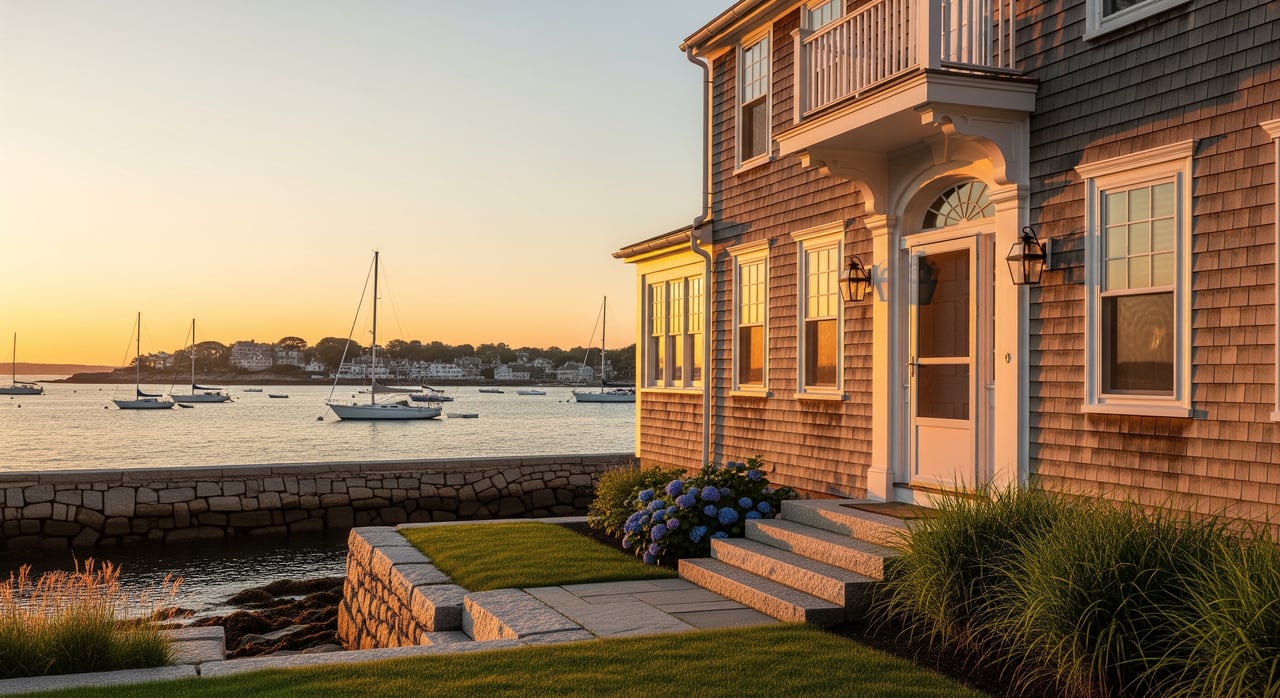
Marblehead centers on a working harbor with marinas, moorings, and an active sailing culture. You can expect regattas, yacht club activity, and a social scene that orbits the waterfront in spring and summer. Views and water access are major draws, and many residents plan their days around tides, weather, and harbor events.
More than boating
Even if you do not sail, you will find plenty to love outdoors. Public beaches, neighborhood parks, coastal walks, and nearby regional trails give you room to explore. The town’s preserved village core around Washington Street adds galleries, small shops, and restaurants that make quick errands feel like a stroll.
Seasons you can feel
The energy picks up in spring and summer when visitors arrive and boats return to the moorings. Winter is quieter, and some seasonal businesses scale back. Summer weekends can mean heavier traffic and tighter parking near the harbor, so plan ahead for guests.
Neighborhoods at a glance
Old Town and the Harbor
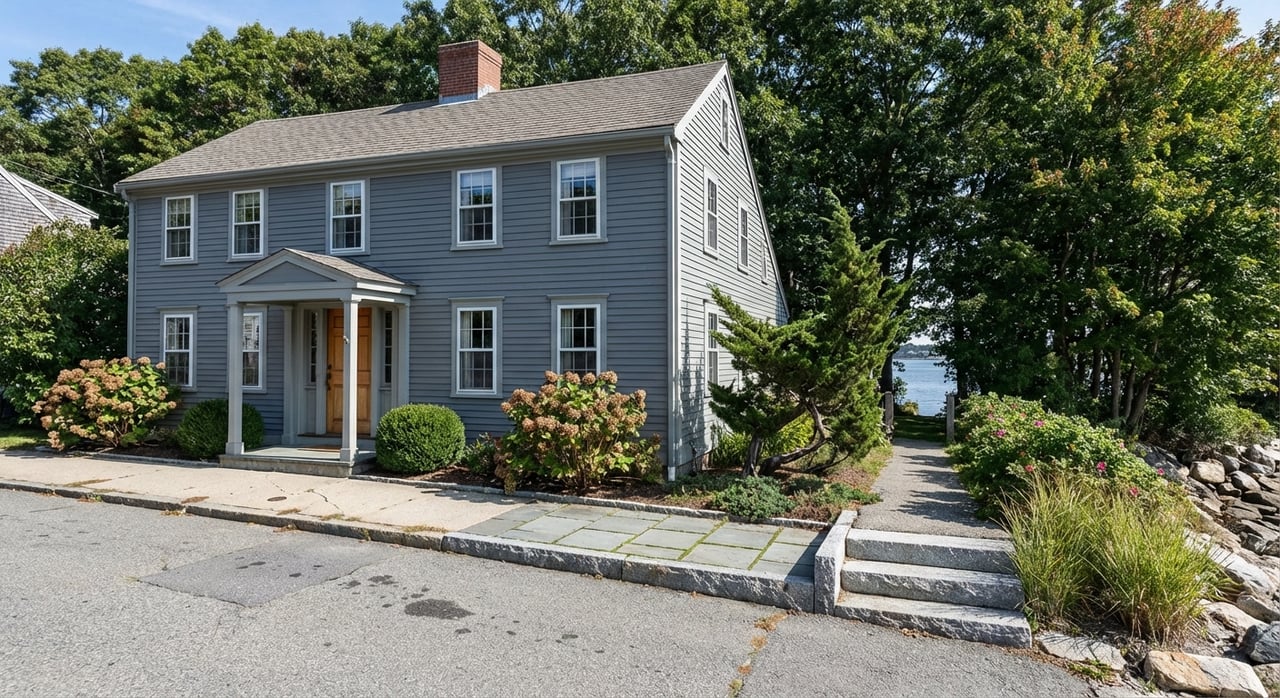
This is Marblehead’s historic heart. You will see 18th and 19th century buildings, narrow streets, and small lots woven around the waterfront. Walking to shops, seafood restaurants, and marinas is easy. On‑street parking can be limited, so off‑street spots are valuable.
Marblehead Neck
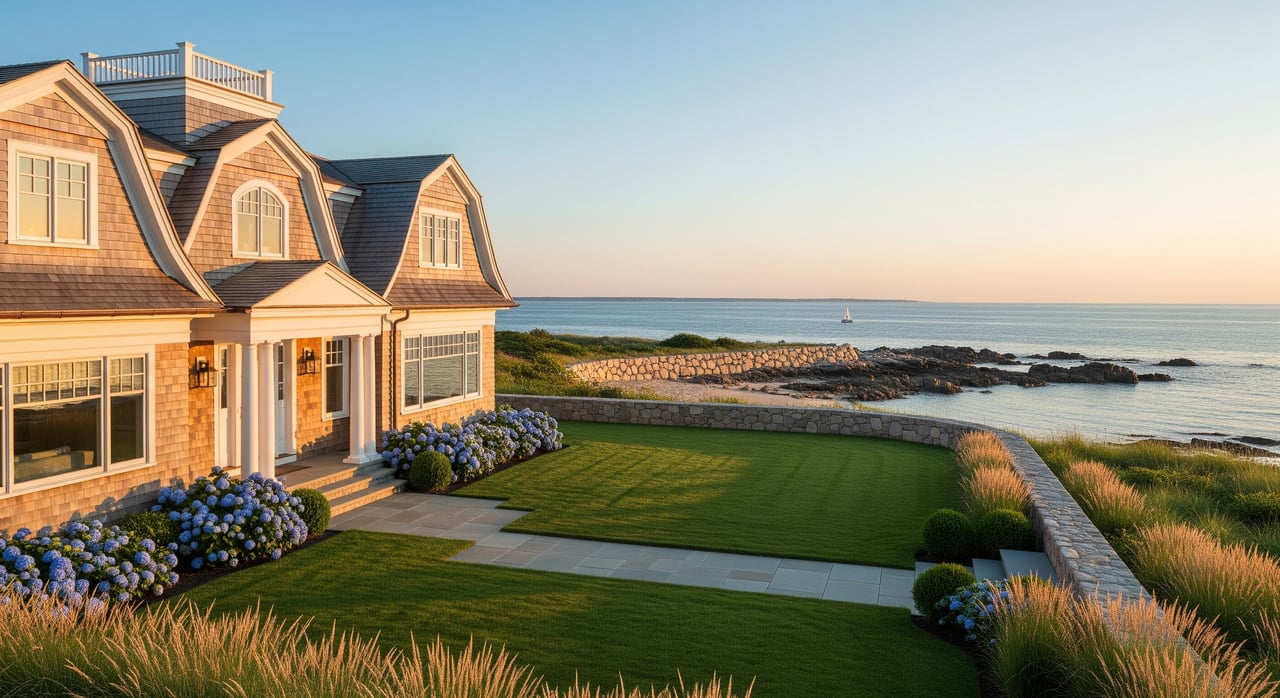
The Neck is a narrow peninsula with strong waterfront character, beaches, and parkland. Many homes lean toward seasonal or second‑home use, and water views are common. Privacy and the coastal setting define the feel.
East and West Marblehead
These areas are more residential with a mix of older homes and mid‑20th century houses. Some streets have larger lots and more separation between homes. You get a calmer, neighborhood feel while staying close to the harbor and downtown.
Near‑suburban edges
On the edges of town you will see larger parcels, newer construction in limited pockets, and more suburban street patterns. These areas suit buyers who want space and easier parking while keeping access to the coast.
Everyday amenities and services
Shops, dining, and errands
Expect small, Main Street style retail and local restaurants around downtown and the harbor. For larger shopping centers or specialized services, many residents head to nearby Salem, Beverly, or Lynn. Town services, community programs, and permitting resources are available through the Town of Marblehead.
Schools and learning
Marblehead Public Schools serve K–12. Families often review program details and performance on the Massachusetts Department of Elementary and Secondary Education site and on GreatSchools. Private and parochial options also exist across the broader North Shore.
Health care access
You will find primary and outpatient care in town or nearby. Larger hospitals and specialty services are in Salem, Beverly, and Boston, so factor in drive times for appointments.
Homes by era and style
What you will find by era
- 18th to early 19th century: Colonial, Georgian, and Federal era homes near the harbor, often wood‑frame with clapboard or cedar shingles and preserved details.
- Mid to late 19th century: Greek Revival, Italianate, Second Empire, and Queen Anne styles, often larger and spread across town.
- Turn of the century: Shingle Style homes that suit coastal lots and views.
- Early to mid 20th century: Cape Cods, Dutch Colonials, bungalows, and Colonial Revival houses from the 1920s to 1950s.
- Post‑war to late 20th century: Ranches, split‑levels, and suburban styles in less historic areas, plus infill and replacements.
- Contemporary and new construction: Limited supply and usually higher priced, including modern renovations and select waterfront rebuilds.
Structure and maintenance notes
- Many older homes retain legacy systems. Expect plaster walls, older plumbing or heating, and sometimes knob‑and‑tube wiring. Renovations are common.
- Wood exteriors are typical. Salt air increases wear on paint, shingles, and metal, so budget for more frequent exterior maintenance.
- Old Town lots can be small and sloped. Expansion may be limited, and parking or storage can be tight.
What aligns with your budget
- Entry or lower tier: Smaller condos, conversions in older buildings, or compact single‑family homes away from the waterfront. You may trade size, parking, or modernization.
- Mid tier: Historic single‑family homes of modest to medium size, often updated yet sometimes needing system or cosmetic work. Many buyers balance proximity to the harbor against lot size.
- Upper tier: Waterfront and harbor‑view properties, larger renovated historic homes, and limited new construction or extensive restorations in private settings.
- Luxury and exclusive: Fully renovated mansions, custom waterfront rebuilds, and properties with private moorings. These are rare and command premiums.
Commuting and getting around
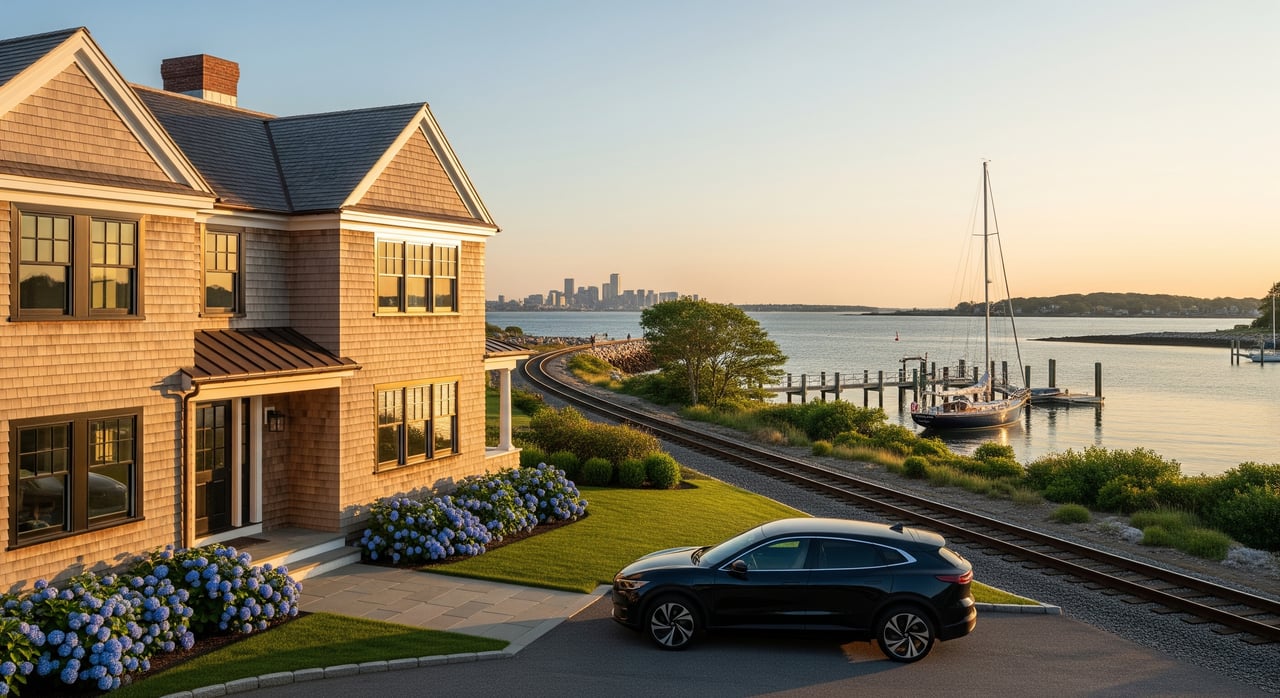
Marblehead sits roughly 15 to 25 miles from downtown Boston depending on route. Many commuters drive, with typical car times in the 30 to 60 minute range based on traffic and destination. The nearest MBTA commuter rail stops on the Newburyport or Rockport line are in neighboring communities like Salem and Beverly. Many residents drive to stations or park‑and‑ride lots, then take the train into Boston. For current schedules and service advisories, check the MBTA. Seasonal or private ferry options sometimes operate along the North Shore, so verify current offerings before you plan.
Practical buyer checklist
- Flood risk and insurance. Many coastal properties sit in or near FEMA flood zones. Review maps at the FEMA Flood Map Service Center and explore long‑term scenarios with the NOAA Sea Level Rise Viewer. Flood insurance costs depend on zone, elevation, and construction.
- Historic districts and design review. Portions of Marblehead fall under historic oversight, and exterior changes may require approval. Start with the Marblehead Historical Commission and the Marblehead Museum for context and to understand local preservation norms.
- Sewer or septic. Parts of town connect to municipal sewer, while others rely on septic systems. Verify availability and any Title 5 or permitting requirements with the town before you finalize an offer.
- Access and parking. Narrow streets and limited curb parking are common around Old Town. Confirm driveway capacity, on‑site parking, and winter logistics during showings.
- Coastal maintenance. Salt air accelerates weathering on wood, metal, and paint. Build in a maintenance budget that reflects coastal exposure.
- Waterfront improvements and permits. Docks or shoreline work may involve approvals at multiple levels. Review rules with the town and the Massachusetts Department of Environmental Protection before you plan changes.
- Taxes and local fees. Check current property tax rates and any special assessments with the Town of Marblehead.
- Short‑term rentals. North Shore communities often regulate STRs. Review Marblehead bylaws and licensing requirements if rental income is part of your plan.
How to shop the Marblehead market
- Expect limited inventory. Desirable coastal homes with strong locations move quickly when well priced.
- Balance charm and systems. Many buyers want historic character with modern upgrades. Build a scope and budget for any updates you prefer.
- Tour across eras. Compare Old Town colonials with mid‑century homes and select newer builds to clarify your tradeoffs on lot size, privacy, and proximity to the harbor.
- Weigh parking and storage. If you value walkability, prioritize listings with dedicated parking or realistic street parking solutions.
- Confirm regulatory fit early. If you plan additions, exterior changes, or waterfront work, review historic and environmental rules before you bid.
Is Marblehead right for you?
If you want a true harbor town with a preserved village core, active sailing scene, and authentic New England architecture, Marblehead delivers. You will trade a bit of parking flexibility and off‑season quiet for walkable history and water access. With the right prep on flood maps, permits, and maintenance, you can buy confidently and enjoy a lifestyle that revolves around the coast.
If you want a guided, preservation‑minded approach to the market, schedule a consultation with Michael Selbst. You will get clear advice on neighborhoods, renovation potential, and value drivers for the homes that fit your life.
FAQs
How long is the commute from Marblehead to Boston?
- Many drivers see 30 to 60 minutes depending on route and time of day, and MBTA commuter rail service is available from nearby Salem and Beverly.
What is the difference between Old Town and Marblehead Neck?
- Old Town is a dense historic core near the harbor with walkable streets and tight parking, while the Neck is a narrow peninsula with strong waterfront character and parkland.
Which home styles are most common in Marblehead?
- You will see Colonial, Georgian, and Federal near the harbor, plus Victorian, Shingle Style, Cape Cod, and later ranch or split‑level homes in other areas.
Where will I find newer construction in town?
- Newer homes appear in limited pockets on the town’s edges and as infill or replacement builds, including select higher‑priced waterfront projects.
What extra costs come with coastal properties?
- Plan for potential flood insurance, higher exterior maintenance due to salt air, and possible permitting needs for shoreline or dock work.
Are there limits on exterior changes in historic areas?
- Yes, properties in local historic districts may require design review and approvals for exterior work, so you should check with the town first.
Is all of Marblehead on municipal sewer?
- No, some areas rely on septic systems, so verify service and any system permits or inspections during due diligence.
Are there seasonal parking challenges near the harbor?
- Summer weekends and holidays can bring more visitors and tighter parking, so plan guest parking and confirm on‑site spaces for your home.