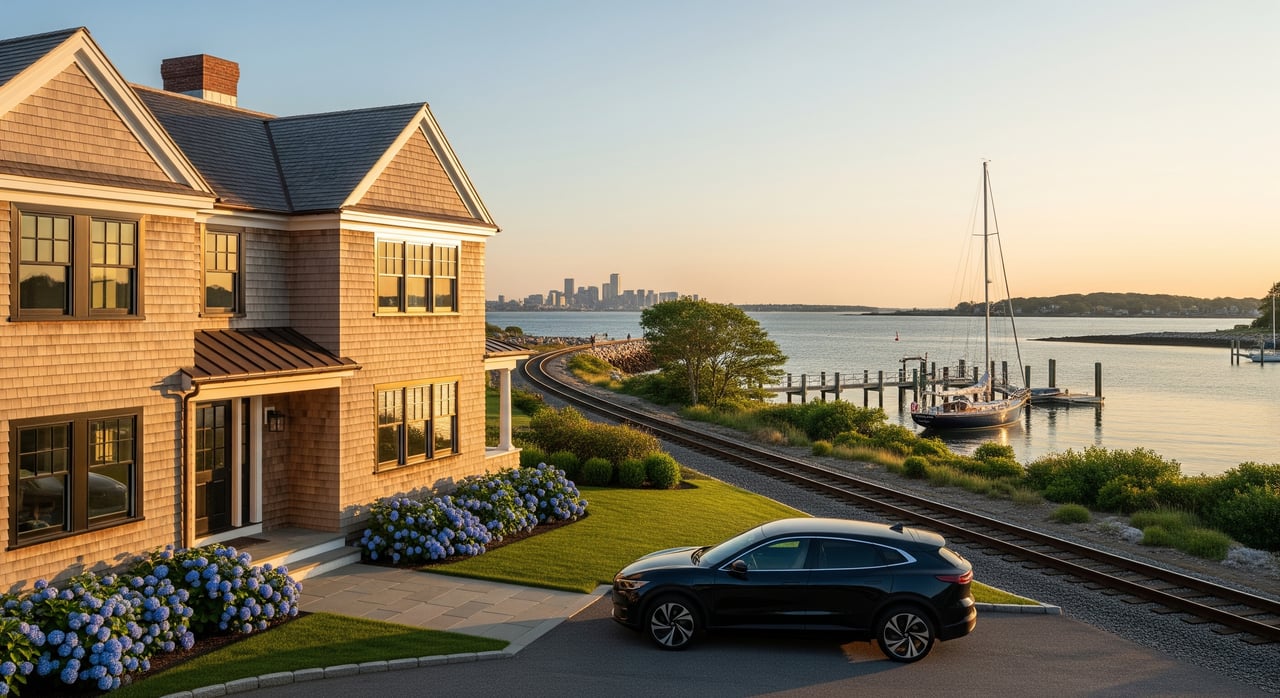
Trying to choose between Beverly and Salem for your North Shore move? Your daily commute and the rhythm of your week will shape everything from where you grab coffee to how you spend summer evenings. Both cities deliver coastal charm and access to Boston, but the tradeoffs are real. In this guide, you’ll compare commute options, walkable downtowns, coastal recreation, and housing styles so you can decide which location matches your routine and goals. Let’s dive in.
Commute basics to Boston
Both Beverly and Salem sit on the MBTA Newburyport/Rockport Line with one-seat rides into North Station. Driving routes connect to Route 1A, Route 114, and the Region’s I‑95/Route 128 corridor. Your best fit depends on how you reach the station, parking needs, and whether you prefer walking or driving most days.
Commuter rail access
If you want a short stroll to the train, downtown Salem often puts you closer to the station and buses. In Beverly, proximity depends on neighborhood. Areas near Beverly Depot and main streets are walkable, while many residential pockets require a short drive or bike ride. Peak trains are typically more frequent than off-peak, and weekends run lighter service, so check current MBTA schedules before you decide.
Seasonally, Salem may also offer ferry service to Boston. Availability, schedules, and frequency can change year to year. If a harbor-to-harbor ride appeals to you, verify current ferry operations alongside commuter-rail options.
Driving and highway access
Both cities link to regional routes that feed into I‑95/Route 128 and toward Boston. Drive times vary with traffic. Morning and evening peaks can add meaningful time, especially near the Route 128 interchanges and the approaches to Boston. Salem’s downtown attracts visitors, which can increase local congestion during tourist seasons. If you plan to drive often, test your route at your typical commute times.
Station parking and last‑mile details
MBTA stations in both cities offer a mix of permit and daily parking. Policies, pricing, and waitlists change regularly, so confirm details with the MBTA and local parking departments. If you prefer not to drive, consider first and last‑mile options like local buses, bike lanes, and ride‑hail. Many stations offer bike storage, which can make a short ride a reliable solution.
Downtown walkability and vibe
Your preferred pace matters. One city leans urban and lively, the other more residential with pockets of walkability.
Salem’s compact, cultural core
Salem’s downtown is a dense, walkable hub centered on the waterfront and historic districts. You’ll find a wide mix of restaurants, shops, museums, and nightlife within a short walk. The same appeal brings visitors, so expect more foot traffic and busy streets during festival and holiday seasons. For many condo buyers, the tradeoff is worth it for car-light living and access to culture.
Beverly’s quieter, village feel
Beverly’s downtown is smaller and more local in tone with restaurants, small shops, and arts venues. The city includes distinct village neighborhoods like Beverly Farms and Prides Crossing that feel residential and calm. You still get walkable pockets near stations and main streets, but the overall pattern is more suburban than central Salem. If you value quieter evenings and a neighborhood feel, this can be a great match.
Coastal recreation and parks
Both Beverly and Salem offer easy access to the water along with beaches, marinas, and seasonal events. Salem highlights include Salem Willows Park and the HarborWalk, plus waterfront historic sites. Beverly is known for Lynch Park’s oceanfront lawns and gardens, Beverly Harbor, and a scenic rocky shoreline with small beaches. Boating and fishing are common in both cities. If you are considering a waterfront or near‑shore property, review local harbor regulations for moorings and slips, and plan early conversations about flood zones and insurance.
Housing options and tradeoffs
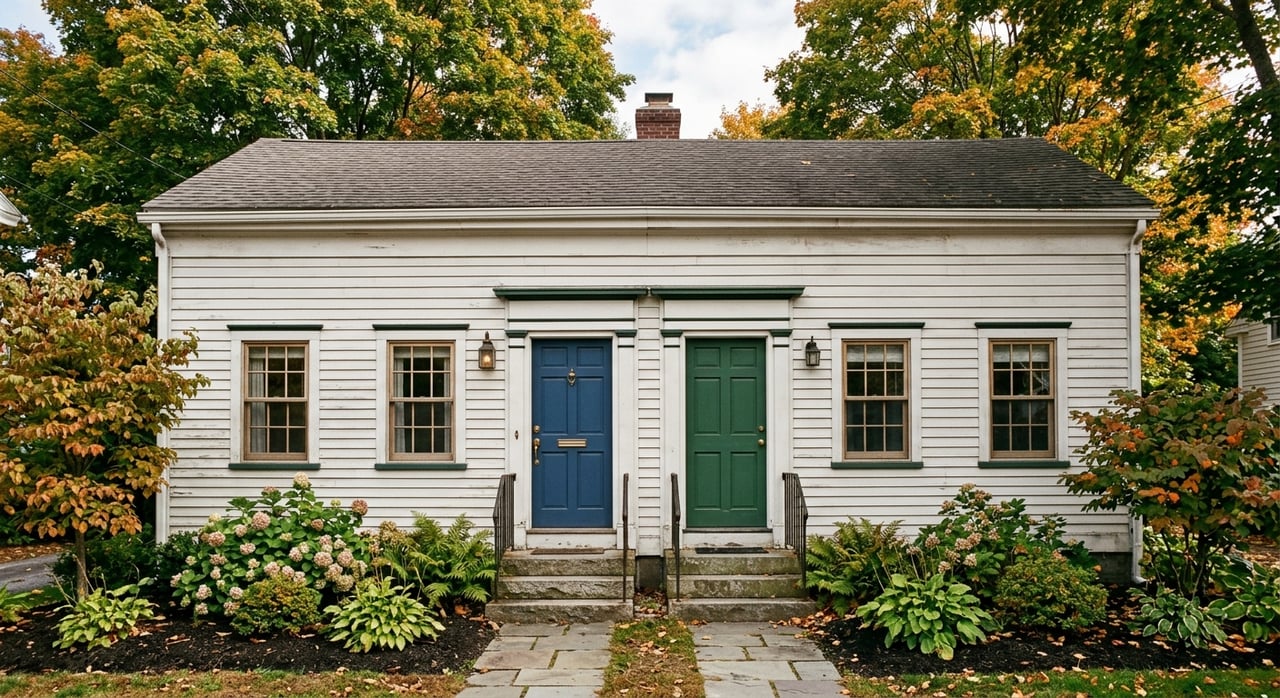
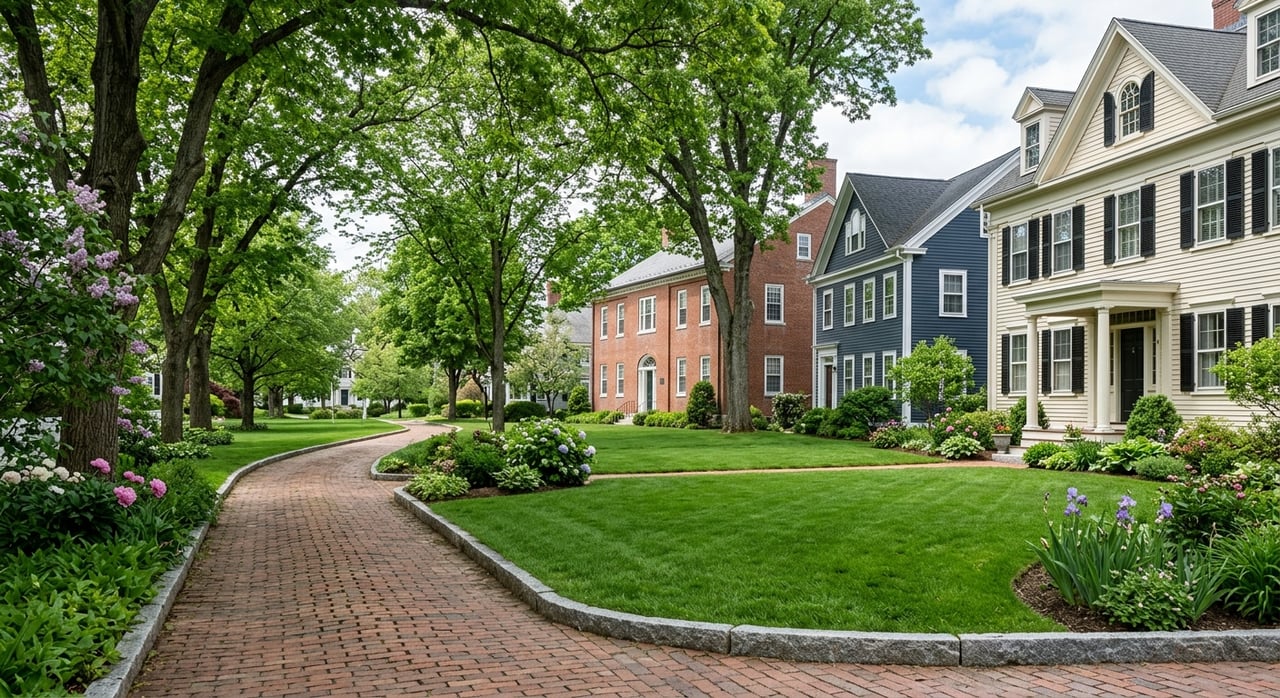
You’ll find historic architecture, classic New England streetscapes, and a mix of property types across both markets. The day-to-day feel can differ by neighborhood, so match the housing type to your lifestyle and commute.
Salem housing patterns
Salem offers a dense mix of condominiums and multifamily homes near downtown, with many historic single‑family properties in surrounding neighborhoods. If you want an urban lifestyle, downtown condos place you close to transit and cultural amenities. Expect potential HOA fees, limited on-site parking, and smaller unit sizes in exchange for walkability. Historic districts can add permitting steps for exterior changes, so factor that into renovation plans.
Beverly housing patterns
Beverly has a larger share of detached single‑family homes, especially in village and coastal neighborhoods. You’ll see broader size and lot options, plus higher‑end coastal submarkets in Beverly Farms and Prides Crossing. Many buyers appreciate the extra interior and exterior space and the ease of driveway or garage parking. In some neighborhoods, the station may be a drive rather than a walk, which can lengthen door‑to‑door commute time.
Historic districts and regulations
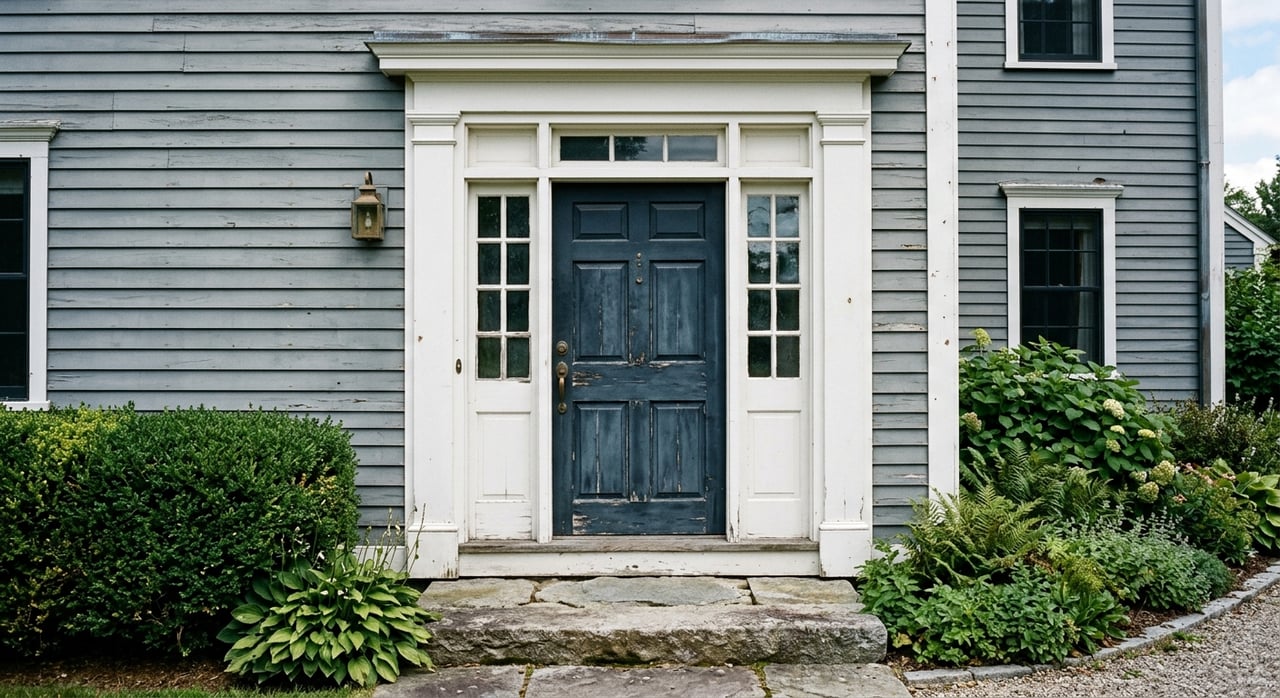
Both cities include historic and preservation areas. Rules can affect exterior changes, window and roof replacements, and additions. Before you plan a renovation or restoration, review local historic commission guidelines and zoning for your specific address. For coastal properties, include floodplain designations and any seawall or shoreline projects in your due diligence.
Decision checklist
Use this quick framework to compare cities and neighborhoods:
- Commute specifics: door‑to‑door timing at peak and off‑peak, number of transfers, reliability, and monthly rail costs.
- Station access: walk, bike, or drive, plus station parking availability, permits, and fees.
- Lifestyle match: Salem’s urban cultural energy or Beverly’s quieter residential pace with village character.
- Housing fit: condo vs single‑family, interior square footage, yard or outdoor space, garage or driveway parking, HOA fees, and renovation flexibility.
- Budget and resale: typical price points in target neighborhoods, demand drivers, and any constraints like historic rules or flood risk.
- Daily life: proximity to parks, community resources, and schools. Review district boundaries through official municipal sources.
- Future risk: flood zones, coastal erosion, and insurance availability and cost.
Real buyer scenarios
These examples illustrate common tradeoffs buyers weigh when choosing between Beverly and Salem.
Condo in downtown Salem
- Advantages:
- Short, walkable access to the Salem commuter‑rail station and buses. Many daily errands and dining options are within a few blocks.
- Rich cultural life with museums, waterfront paths, and nightlife close by.
- Lower maintenance than a single‑family home, which suits a busy schedule.
- Considerations:
- Seasonal crowds can make streets and parking busier.
- HOA fees and unit size tradeoffs are common; on-site parking may be limited or fee‑based.
- Historic‑area guidelines and condo rules can shape renovation choices and any rental plans.
Single‑family in Beverly neighborhoods
- Advantages:
- More interior space and private outdoor areas, plus convenient driveway or garage parking.
- Quiet residential feel in many neighborhoods, including coastal enclaves like Beverly Farms and Prides Crossing.
- Straightforward car access to the station with park‑and‑ride options in some areas.
- Considerations:
- Commute can involve a drive or longer walk to the station depending on location.
- Prices can trend higher in sought‑after coastal neighborhoods.
- Some coastal areas may sit within flood‑risk zones, which can affect insurance and long‑term costs.
How to test your fit
Make your decision with real‑world checks.
- Ride the commuter rail during your actual peak times. Track door‑to‑door timing from home to desk.
- Visit prospective neighborhoods on a weekday evening and a weekend morning. Note traffic, parking, and ambient activity.
- Confirm station parking policies and costs, and explore first‑mile options like biking or local buses.
- For any near‑shore property, review official flood maps, ask your insurer for quotes, and evaluate mitigation measures.
- If a home sits in a historic district, speak with the local historic commission about exterior changes before you finalize an offer.
- Compare active and recent listings for price, condition, and time on market to ground your budget.
In short, Salem favors a walkable, culturally rich lifestyle with straightforward transit access, while Beverly leans toward more space, quieter streets, and a broader mix of single‑family options. Both deliver coastal amenities and access to Boston. If you want a guide who understands preservation rules, flood considerations, and the nuances of each neighborhood, connect with Michael Selbst to talk through your priorities and schedule a consultation.
FAQs
What commute differences matter most between Beverly and Salem?
- Proximity to the station, parking availability, peak vs off‑peak train frequency, and seasonal traffic patterns. Test your route during the times you plan to travel.
Is commuter rail service reliable from both cities to Boston?
- Both cities are on the MBTA Newburyport/Rockport Line with one‑seat rides to North Station. Peak service is usually more frequent than off‑peak and weekends.
How does tourist season affect living in Salem?
- Salem’s downtown draws visitors, which can increase pedestrian activity, traffic, and parking demand during festivals and holidays.
Which city offers more walkable nightlife and cultural options?
- Salem has a denser concentration of restaurants, museums, and nightlife within a compact, walkable core.
Where will I find larger single‑family homes and bigger lots?
- Beverly generally offers more detached single‑family options and a broader range of lot sizes, including coastal neighborhoods.
What should coastal buyers review before making an offer?
- Flood zones, insurance availability and costs, shoreline conditions, and any municipal seawall or mitigation projects, plus relevant historic or zoning rules for the property.