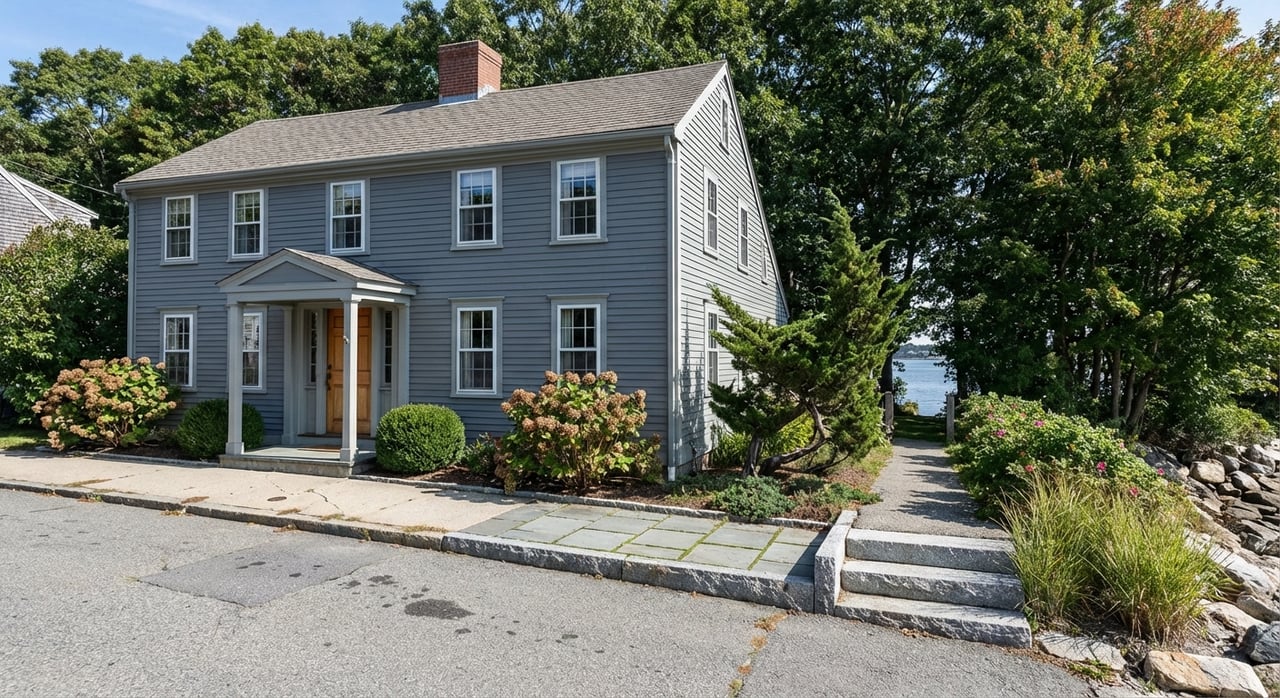
Buying your first condo in South Salem can feel exciting and a bit complicated. You want walkable streets, easy commuter options, and classic New England charm, but you also need to decode HOA rules, budgets, and insurance. This guide gives you a clear, step-by-step path tailored to South Salem, including what to check, which documents to request, and how condo financing works in Massachusetts. Let’s dive in.
Why South Salem works for first-time buyers
South Salem sits close to downtown Salem, with quick access to the commuter rail on the Newburyport/Rockport Line for trips into Boston. Always confirm current timetables on the MBTA commuter rail schedules. If you rely on a car, Route 1/128 is accessible for regional travel.
Because Salem is coastal, some properties sit near floodplains. Before you buy, review the FEMA Flood Map Service Center to understand flood zones and potential insurance requirements. Also check local parking, permitting, and any short-term rental rules through the City of Salem, since programs and fees can affect monthly costs and daily life.
Step-by-step buying roadmap
Build your financial foundation
Start with a credit check and a realistic monthly budget. Factor in your mortgage, property taxes, HOA dues, insurance, utilities, parking, and possible special assessments. Then secure a mortgage preapproval from a lender experienced with Massachusetts condos. Many lenders review the building itself, so ask early about condo project requirements under Fannie Mae project standards or any government program standards, such as FHA condo approvals.
Focus your search
Identify building features that fit your needs and budget. Key items include monthly HOA fees, reserve fund health, any litigation history, owner-occupancy ratio, professional vs. self-management, pet and leasing rules, parking, storage, and whether the building has an elevator. For South Salem, consider walkability to downtown dining and museums, proximity to the commuter rail, the on-street parking permit situation, and whether the property is in a mapped flood zone.
Do smart due diligence
Request the full condo document package: budget, financials, reserve study, bylaws, rules, minutes, insurance certificates, and any special assessment history. Review rules that affect daily life, including pets, parking, guests, and leasing. Order a licensed home inspection for the unit, and for older buildings consider targeted checks for lead paint or asbestos where relevant.
Contract, attorney review, and financing
In Massachusetts, it is common for buyers to include attorney review as part of the process. A local real estate attorney can review the purchase contract, condo documents, title, and timelines. Your lender will likely request a condo questionnaire and building documents for project review. Be prepared to supply budgets, insurance info, and occupancy ratios so underwriting can proceed.
Final steps to closing
Before closing, confirm the association’s estoppel or certificate of status that shows your dues, fees, and any assessments. Complete your final walkthrough, verify your HO-6 unit policy, and understand what the master insurance policy covers. Close, record the deed, and follow the association’s move-in procedures.
How to read a condo association
Spot healthy finances
Review the current annual budget and the most recent financial statements. Pay close attention to the reserve study and reserve balance to see if the association is saving for long-term repairs such as roofing, exterior work, or elevators. For background on why reserves matter, the Community Associations Institute publishes guidance on association governance and reserve planning. Ask about recent special assessments, any planned capital projects, and the delinquency rate for unpaid dues.
Insurance is also critical. Understand the master policy type and deductibles and confirm what you need to carry in your HO-6 policy. The Insurance Information Institute explains how master policies and HO-6 coverage work together for condo owners.
Governance and risk checks
Scan the last 6 to 12 months of board minutes for recurring issues and project updates. Ask about any current or recent litigation and whether there are bylaw amendments that change use, rental rules, or assessments. Some financing programs favor higher owner-occupancy levels. For the legal framework that governs Massachusetts condominiums, review Massachusetts General Laws Chapter 183A.
Financing and insurance for MA condos
Project approval 101
Condo financing often includes a review of the building, known as project approval. Conventional lenders may follow Fannie Mae project standards, while government-backed loans have their own rules, such as FHA condo approvals. If a project does not meet standard criteria, some lenders may allow single-unit approvals or require larger down payments. Ask your lender early about documentation and timelines.
The insurance you will need
Most associations carry a master policy that insures the building and common areas. You will typically need an HO-6 policy for your unit’s interior finishes, personal property, and liability, and to consider loss assessment coverage. If your condo is in a mapped flood zone, your lender may require flood insurance. Use the FEMA Flood Map Service Center to check flood designations and discuss quotes with a licensed insurance agent. The Insurance Information Institute provides a clear overview of condo insurance basics.
Inspections and building condition
Unit-level inspection
Hire a licensed home inspector to evaluate the unit’s systems and visible components. In older buildings, discuss lead paint, asbestos, or older wiring with your inspector and attorney to determine if further testing is prudent. If association documents mention building-wide issues, plan your contingencies to allow deeper review.
Building-level review
If minutes or engineering reports flag structural, envelope, or mechanical concerns, consider a targeted evaluation by an engineer before you remove inspection contingencies. This additional step can help you understand potential costs and future assessments.
Lifestyle and resale in South Salem
Walkability to downtown, access to the commuter rail, and proximity to the waterfront can support long-term resale demand. Deeded or assigned parking often improves value, especially if you rely on a car. Pet policies and rental restrictions can affect your buyer pool when you sell, so understand them up front. Because Salem is a tourism destination, especially in October, ask about noise, visitor parking, and any short-term rental rules through the City of Salem so you know what to expect.
Your document and question checklist
Essential documents to request
- Master deed, declaration, and amendments
- Bylaws and rules and regulations
- Current operating budget and the last 2–3 years of financial statements
- Most recent reserve study and current reserve balance
- Board meeting minutes from the last 6–12 months
- Insurance declarations for the master policy and deductibles
- Certificate of no default or estoppel letter
- Owner list or occupancy and rental percentages, if available
- Management agreement, if professionally managed
- Notices of special assessments and capital project plans
- Any pending litigation information or correspondence
- Recent engineering or structural reports, if any
- Lender condo questionnaire, if required
Key questions to ask the HOA or manager
- What is the monthly HOA fee and what utilities or services does it include?
- What is the reserve balance and when was the last reserve study performed?
- Are there any planned special assessments or major projects in the next 12–36 months?
- What is the owner-occupancy versus investor ratio?
- What leasing rules apply, including any short-term rental policies or waiting periods?
- What pet rules exist and how are they enforced?
- How is parking assigned and are there fees for garages or lots?
- Are there move-in or move-out fees or elevator reservation policies?
- Are there current or threatened lawsuits?
- Who handles repairs for unit interiors and common elements, and how are requests processed?
Timeline tips and contingencies
Most first-time buyers choose financing and inspection contingencies. For condos, add a contingency to review association documents and the estoppel or status letter. Build extra time into your timeline if board approvals or scheduled meetings are required before move-in or leasing approvals.
Ready to start?
If you want a clear plan, a strong negotiation strategy, and a careful eye on building health, connect with a local advisor who knows South Salem’s condos and association dynamics. When you are ready, schedule a private consultation with Michael Selbst to map your next steps with confidence.
FAQs
What should I look for in a South Salem condo’s HOA budget?
- Focus on whether income covers expenses, reserves are funded per a recent study, and there is a clear plan for capital projects without frequent special assessments.
Is flood insurance required for South Salem condos near the water?
- It depends on the property’s FEMA flood zone and your lender’s requirements; check the FEMA Flood Map Service Center and talk to an insurance professional.
How do condo project approvals affect my loan in Massachusetts?
- Lenders often review the building against Fannie Mae project standards or programs like FHA condo approvals; if a project has issues, expect added documentation or different terms.
What is an HO-6 policy and how is it different from the master policy?
- The building’s master policy covers common areas and structure, while your HO-6 covers your unit’s interior finishes, personal property, and liability; see the Insurance Information Institute for details.
Are short-term rentals allowed in South Salem condos?
- Rules vary by building and city ordinance; review HOA leasing rules and confirm current regulations with the City of Salem before you buy.
Do I need an attorney to buy a condo in Massachusetts?
- Attorney review is common and recommended; a local real estate attorney can examine condo documents, the purchase contract, and title to help protect your interests.