Thinking about updating a historic home in Marblehead? It is easy to get excited about new windows, a reworked porch, or a better kitchen flow, only to realize that older homes here come with an extra layer of review. The good news is that thoughtful renovations can improve comfort, protect long-term value, and respect the character that makes these properties so special. If you understand Marblehead’s process before you start, you can make smarter decisions and avoid costly missteps. Let’s dive in.
Why Marblehead Renovations Need Extra Planning
If your home is in Marblehead’s local Old Town or Gingerbread Hill historic districts, exterior work visible from a public way may fall under review by the Old and Historic Districts Commission, or OHDC. Under Massachusetts law, exterior architectural features include anything visible from a public street, public way, public park, or public body of water.
That last detail matters more than many owners expect. In a coastal town like Marblehead, work that faces the harbor or another public body of water can still be subject to review, even if it does not feel street-facing.
It is also important to separate local historic district oversight from the National Register Historic District. Marblehead’s Historical Commission notes that these are different designations, and the OHDC has direct authority over the local districts. In practical terms, your home may be historically significant, but the level of review depends on which designation applies.
Start With the Right First Questions
Before you choose materials or call contractors, confirm whether your property is in one of Marblehead’s local historic districts. Then ask whether the work affects exterior features visible from a public way or water.
Those two questions can shape almost everything that follows. They help determine whether your project may need a Certificate of Appropriateness, often called a COA, or whether the work may fall outside OHDC review.
Some homeowners assume small projects are automatically exempt. That is not always the case. Massachusetts law generally allows ordinary maintenance, repair, or replacement when there is no change to design, material, color, or outward appearance, but Marblehead’s own guidance is narrower and more specific.
What Counts as Repair-in-Kind
Repair-in-kind can sometimes be exempt from review, but only when it is truly a repair. Marblehead’s guidance says this often means work remains under 20% of an uninterrupted plane or feature and does not change size, material, or details.
Once a project changes the visible appearance of a feature, it often moves out of the repair category. Replacing a small section of damaged trim with matching material is different from swapping an entire visible element for a new product with a different profile or texture.
That distinction is one reason historic-home planning matters so much. What feels like a straightforward upgrade can become a design review issue if the visible result changes the building’s character.
Renovations That Usually Make Sense
For many pre-1900 Marblehead homes, the best renovations solve real maintenance and comfort concerns while preserving the materials and details people notice from the outside. In most cases, the strongest projects are the ones that respect historic fabric instead of trying to erase it.
That approach can also support resale. Buyers drawn to Marblehead’s older housing stock often respond to homes that feel authentic, well-maintained, and carefully improved.
Windows That Preserve Character
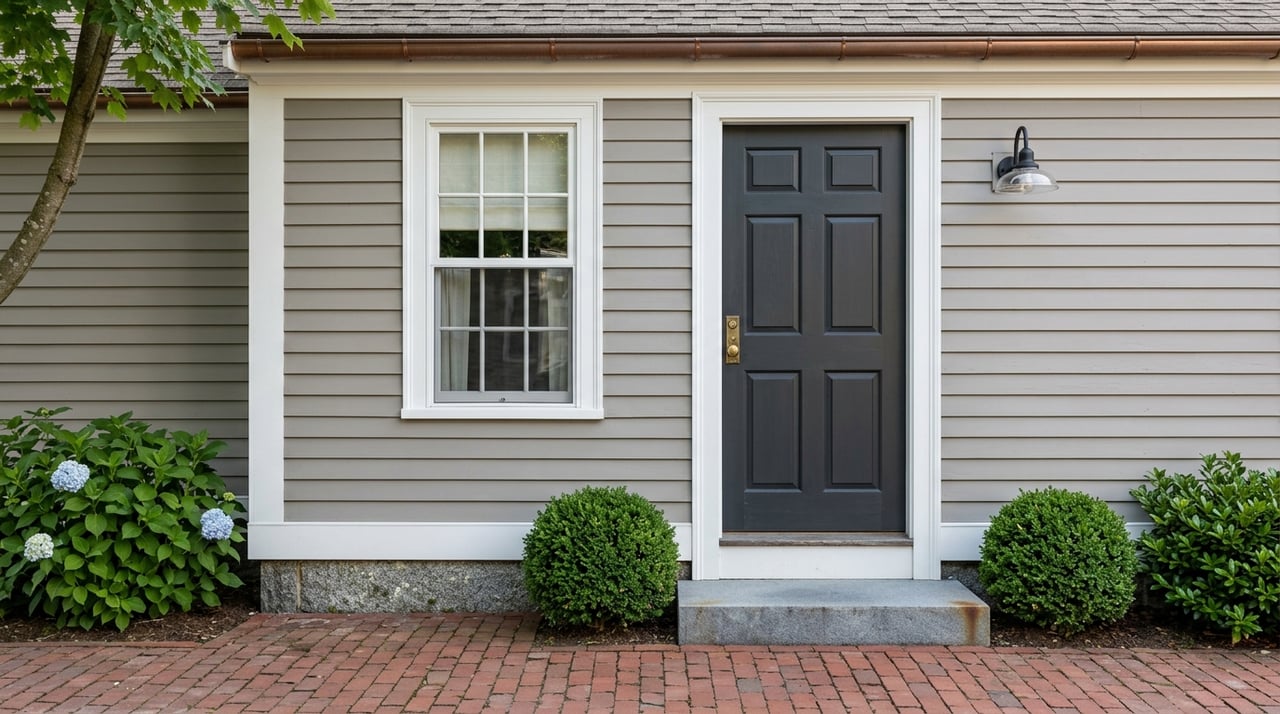
Windows are one of the most important exterior elements on a historic home. National Park Service guidance emphasizes that windows are central to a building’s character and should be retained and repaired when historic fabric remains.
In Marblehead, the OHDC pays close attention to traditional wood, double-hung, true-divided-lite windows, along with pane configuration and muntin profiles. If replacement becomes necessary, the goal is not just a new window. It is a new window that still reflects the home’s historic character.
Doors, Roofs, and Gutters
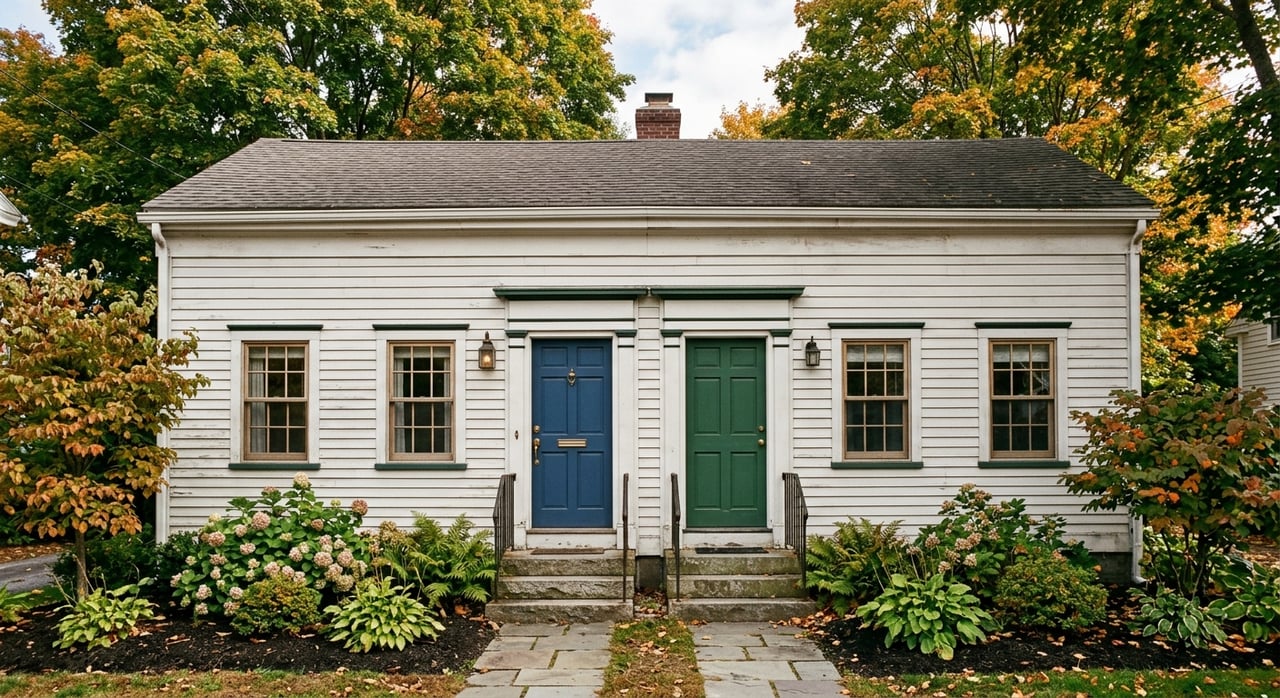
Marblehead’s guidance gives homeowners useful direction on several common exterior features. Wood is generally the preferred door material, French doors are not historically appropriate, and wood gutters are generally preferred.
For roofing, 3-tab or high-quality architectural asphalt shingles are commonly accepted. The town notes that architectural shingles often provide a better historic fit than faux materials that try to imitate slate or shake.
There is also an important local nuance for coastal homes. In areas with direct ocean exposure, some composite door materials may be approved, but wood remains the default historically appropriate choice.
Energy Upgrades Done Carefully
You can improve energy efficiency in a historic home, but the work should be planned with care. National Park Service guidance supports energy upgrades when they do not diminish historic character or damage historic materials.
In Marblehead, visible mechanical systems can also trigger review. HVAC condensers and related piping are examples of work that may require OHDC review if they can be seen from a public way.
This is where thoughtful design pays off. Better comfort and lower maintenance are often possible without making the house look generic from the street.
Additions and Site Changes
Additions, dormers, porches, parking areas, fences, walls, and similar exterior work often receive more scrutiny because they can affect the building’s silhouette, the street edge, and the overall setting. Marblehead’s guidance notes that these kinds of projects often go to public hearing.
The commission also indicates that it often works to shape proposals rather than simply approve or deny them. That is a useful reminder that early planning can improve your chances of a smoother review.
Marblehead Details Owners Often Miss
A few local rules surprise even experienced homeowners. One of the biggest is that the OHDC has jurisdiction over materials and texture, not color. Marblehead’s homeowner guidance says building color does not require a COA.
Storm windows are another area where details matter. Generic storm windows are not under OHDC purview, but manufacturer-specific storm panels or energy panels do require a COA.
The town also generally discourages synthetic substitutes like PVC or plastic on visible historic surfaces, except in limited situations involving non-historic structures or very restricted visibility. If a material will be seen, it needs to be chosen very carefully.
How the Approval Process Works
Marblehead’s renovation process is more structured than a simple permit-only project. The town says homeowners should obtain the OHDC application, meet with the Building Inspection Department, submit the application, and then appear before the OHDC.
The Building Inspection Department helps determine whether other approvals may also be needed, including zoning or code-related issues. That makes early coordination especially important if your project includes multiple moving parts.
Massachusetts law is clear on sequence. A building permit for regulated exterior work cannot be issued until the required historic district certificate has been issued. In other words, the COA is not paperwork to deal with later. It is part of the path to approval.
Documentation Matters Early
Marblehead expects owners to document projects carefully before work begins. For fences and walls, the town asks for a recent survey. For parking work, it asks for a survey dated within one year, a scaled site plan, and photographs.
Those requirements tell you something important about the local process. The more complete and accurate your planning package is, the easier it is to have a productive review.
What Happens After Approval
Once issued, a COA is valid for one year. It must be displayed on the property during the project, and the Building Inspector should sign off after completion.
If the work is not finished within that time, a new hearing process may be required. Marblehead also warns that unapproved work, or work that differs from approved plans, can lead to a stop-work order and further legal action.
If you are not sure whether a project falls under review, Massachusetts law allows the commission to issue a certificate of nonapplicability on request. That can be helpful when you want written confirmation that a specific exterior item is outside OHDC oversight.
Renovation Choices That Support Resale
In a historic market like Marblehead, the safest value strategy is often the simplest one. Preserve the features buyers notice first, including façade windows, doors, roofline, gutters, porch proportions, walls, and the relationship of the house to the street.
That does not mean every home must stay frozen in time. It means the most successful renovations usually improve daily life without creating visible changes that a future buyer may want to undo.
Thoughtful weatherization, repair of original materials, and additions that read as subordinate to the main house all fit that approach. By contrast, faux materials, generic replacement choices, and visible shortcuts can weaken historic appeal even when the interior has been updated.
For owners of income-producing property, there may also be a financial incentive worth discussing early. Massachusetts offers a historic rehabilitation tax credit of up to 20% of certified rehabilitation expenditures for income-producing property, which may be relevant for multifamily, rental, or other investment projects rather than a typical owner-occupied single-family home.
Keep a Paper Trail for Future Value
When it comes time to sell, documentation can be almost as important as the renovation itself. Keeping your COA, permits, surveys, contractor invoices, photos, and final sign-offs can make future conversations with buyers, inspectors, and appraisers much easier.
That record helps show that the work was done thoughtfully and with the proper approvals. In a market where provenance and stewardship matter, clear documentation can reinforce confidence.
If you are planning renovations to a Marblehead historic home, a clear strategy at the beginning can protect both your investment and the architectural story that makes the property distinct. For guidance grounded in restoration experience and the realities of the North Shore market, connect with Michael Selbst.
FAQs
Does a Marblehead interior renovation need OHDC review?
- Usually no. Marblehead’s homeowner guidance says interior features are examples of work that do not require a COA unless the renovation affects regulated exterior elements visible from a public way.
Does changing paint color on a Marblehead historic home require approval?
- No. Marblehead says color is not under OHDC jurisdiction, and building color does not require a COA.
Do Marblehead window replacements usually need review?
- Often yes, if the windows are visible from a public way and the work changes material, configuration, or details. Marblehead pays close attention to pane configuration and muntin profiles in its local districts.
Can energy-efficiency upgrades be made in a Marblehead historic home?
- Yes, but they should be planned so they do not harm historic materials or diminish the home’s historic character. Visible equipment, such as HVAC condensers and piping, may require review.
Does waterfront visibility affect OHDC review in Marblehead?
- Yes. Massachusetts law includes visibility from a public body of water, so harbor-facing or coastal exterior work may still fall under review.
What exterior projects are most likely to trigger OHDC review in Marblehead?
- Common examples include additions, dormers, porches, parking areas, fences, walls, roofs, windows, doors, siding, gutters, chimneys, and visible mechanical equipment.